Democrats are heading into November with a favorable political environment, but the size of their majority—and control of the Senate—may hinge on whether young voters show up. While polls show strong Democratic preferences among under-35 voters, enthusiasm and registration gaps could suppress turnout, turning a potential wave into a modest gain.
The right has poured $1.2 billion into youth outreach since 2024, outspending progressive groups by a 10-to-1 margin. That investment has continued even as President Trump's approval among young voters collapses. In contrast, many Democratic-aligned organizations are scrambling for resources, leaving a critical gap in paid media, on-the-ground organizing, and digital engagement aimed at younger demographics.
Recent polling underscores the stakes. In battleground Senate races like Texas and Michigan, Democratic candidates lead by 20 to 31 points among young voters. Among college students, the generic ballot advantage balloons to 52 points, according to a September survey by flytedesk. Yet the same data reveals a motivation gap: young voters are 21 to 27 points less likely than older, more conservative voters to say they are enthusiastic about casting a ballot this year.
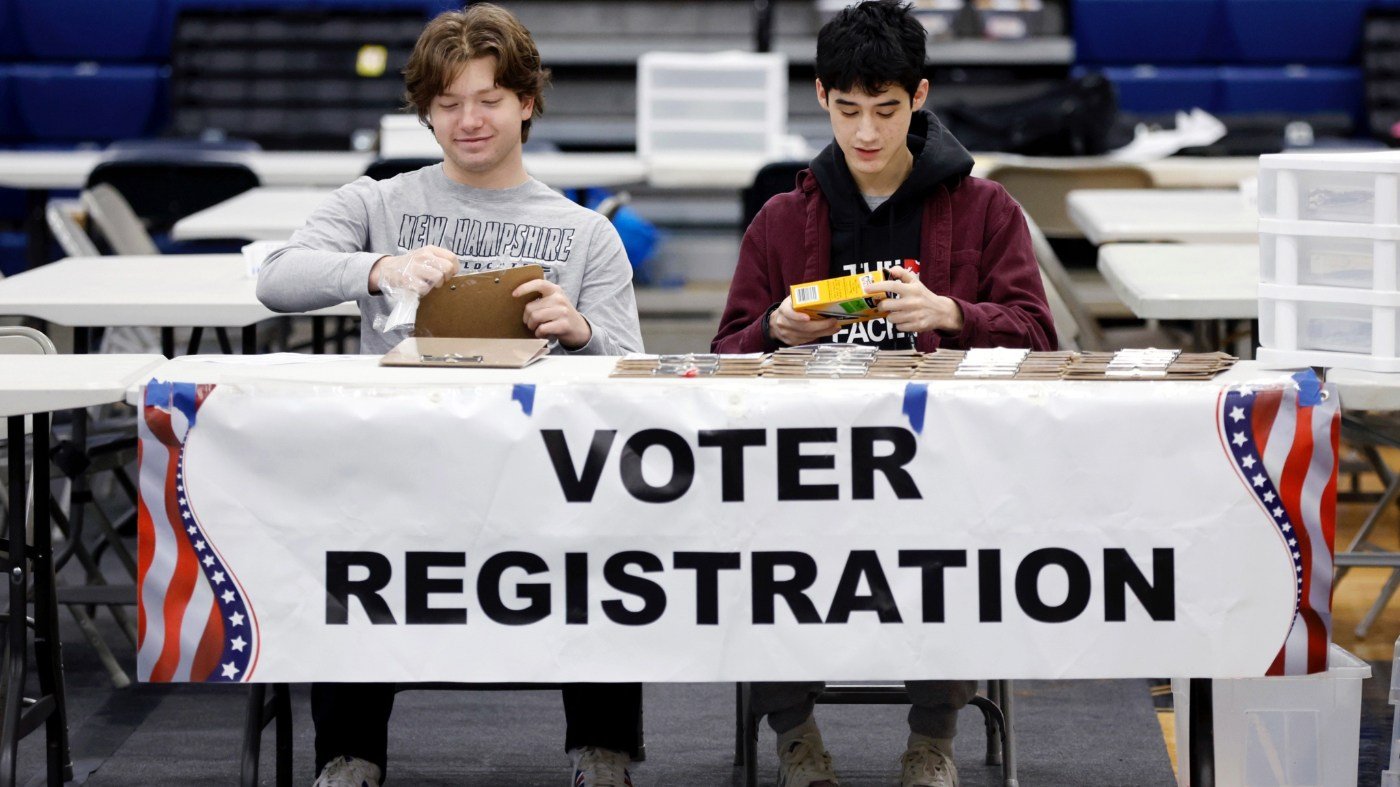
Turnout history is sobering. In the 2022 midterms, only 28% of Gen Z voted, compared to 50% in the 2024 presidential election. The Voter Participation Center found that turnout among under-35 voters dropped nearly 7 percentage points between 2020 and 2024—a loss of about 2.5 million young voters. Additionally, 40% of Gen Z and 36% of all under-35s are not registered to vote, and 11% of those registered failed to turn out in 2024.
Mobility adds another hurdle. A 2025 survey found that 36% of voters under 35 had moved in the past two years, and 52% had moved in four years. Nearly one million college students cross state lines to attend school, complicating their registration and voting logistics. Republican officials in states like North Carolina and New Hampshire have further restricted student voting by eliminating on-campus polling sites and limiting student ID acceptance.
Despite these obstacles, youth organizers are fighting back. The North Carolina College Democrats are informing students about polling place changes, while Voters of Tomorrow's Virginia chapter successfully secured an on-campus polling site at Hampton University. These grassroots efforts are crucial because traditional outreach methods—local news ads, phone banking, and broadcast buys—rarely reach young people who live in private group chats, dorm threads, and campus-specific online communities.
The most effective strategies rely on trusted messengers already embedded in those networks. Groups across the country have built the infrastructure needed to mobilize young voters, but they need funding to scale up. As Trump's approval sinks and inflation complicates GOP messaging, Democrats have an opening—but only if they close the turnout gap.
With 28 states offering same-day registration or deadlines within 15 days of Election Day, there is still time to mobilize. But the clock is ticking. Democrats cannot afford to assume young voters will turn out on their own. The battle for the youth vote is far from over, and the party's ability to invest in it could determine whether November brings a ripple or a wave.