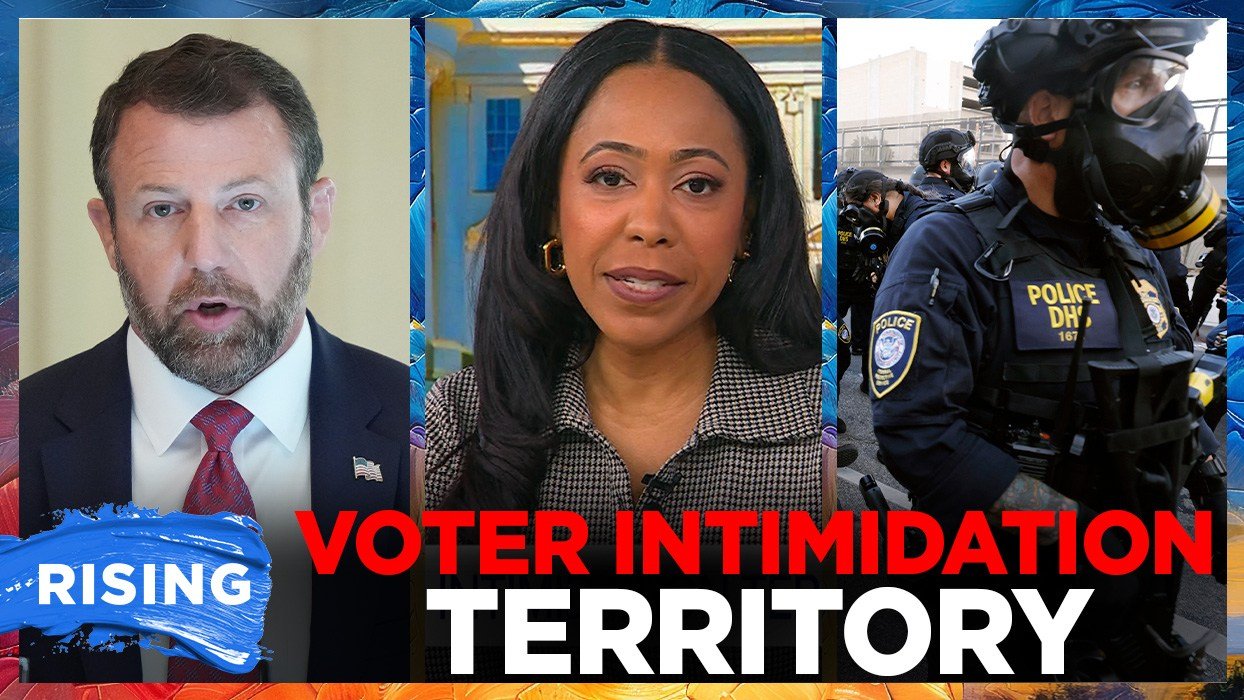
The Department of Homeland Security has escalated its election integrity efforts, with armed agents conducting door-to-door interviews in several states, according to a CBS News investigation. The agents, in uniform, are asking residents about their immigration status and whether they have registered to vote or cast ballots. The administration frames this as a crackdown on potential noncitizen voting, but critics see it as an intimidation campaign.
Federal law already prohibits noncitizens from voting in federal elections, and the evidence of widespread fraud is thin. A Brennan Center study of 23.5 million votes across 42 jurisdictions found only 30 suspected cases—roughly one per million ballots. That raises the question: why deploy federal agents to investigate a phenomenon that appears exceedingly rare?
A federal judge on Wednesday appeared to share that concern, ruling that the operations likely violate the Voting Rights Act. The court imposed restrictions on the practice in nine states and pointed to a high probability of errors in the government's targeting process. The judge's decision underscores the risks of casting a wide net.
Those risks are not hypothetical. A whistleblower from U.S. Citizenship and Immigration Services reported that employees were expected to review 40 cases per day, leaving about 12 minutes per person. At that pace, tens of thousands of records—including those of American citizens—can easily be mishandled. Legal voters could get swept up in the dragnet.
Rep. Bennie G. Thompson, the top Democrat on the House Homeland Security Committee, condemned the operation as an “anti-democratic departure from the mission Congress set for the Department.” He described it as “law enforcement activity aimed at intimidating the public as the 2026 midterm elections are underway.”
The fear factor is real. Naturalized citizens may watch armed agents question their neighbors about voting and wonder whether casting a ballot could put their families under scrutiny. That anxiety alone can suppress turnout, even among those fully eligible to vote.
The rhetoric from some Trump allies has only heightened concerns. Steve Bannon said earlier this year: “You're damn right we're gonna have ICE surround the polls come November. We're not gonna sit here and allow you to steal the country again.” Such a move would be illegal, as federal law bars armed federal agents from being deployed at polling places.
This comes amid broader scrutiny of voter-registration groups and continued baseless claims of election fraud. President Trump's past efforts to pressure Georgia officials to “find votes” remain fresh. Now, with midterms approaching, federal agencies are expanding their investigations into a problem that evidence suggests is nearly nonexistent.
The administration insists it is protecting election integrity, but the methods are drawing bipartisan criticism. As some immigration enforcement measures have shown, there are ways to address concerns without intimidating voters. The answer, as many argue, lies in policy and persuasion—not in tactics that make people afraid to exercise their fundamental right.
Voter confidence is fragile, and actions like these can erode it further. Protecting eligible Americans' right to vote without fear should be the priority. If the administration wants to win voters, it should focus on substance, not on creating an atmosphere of intimidation.