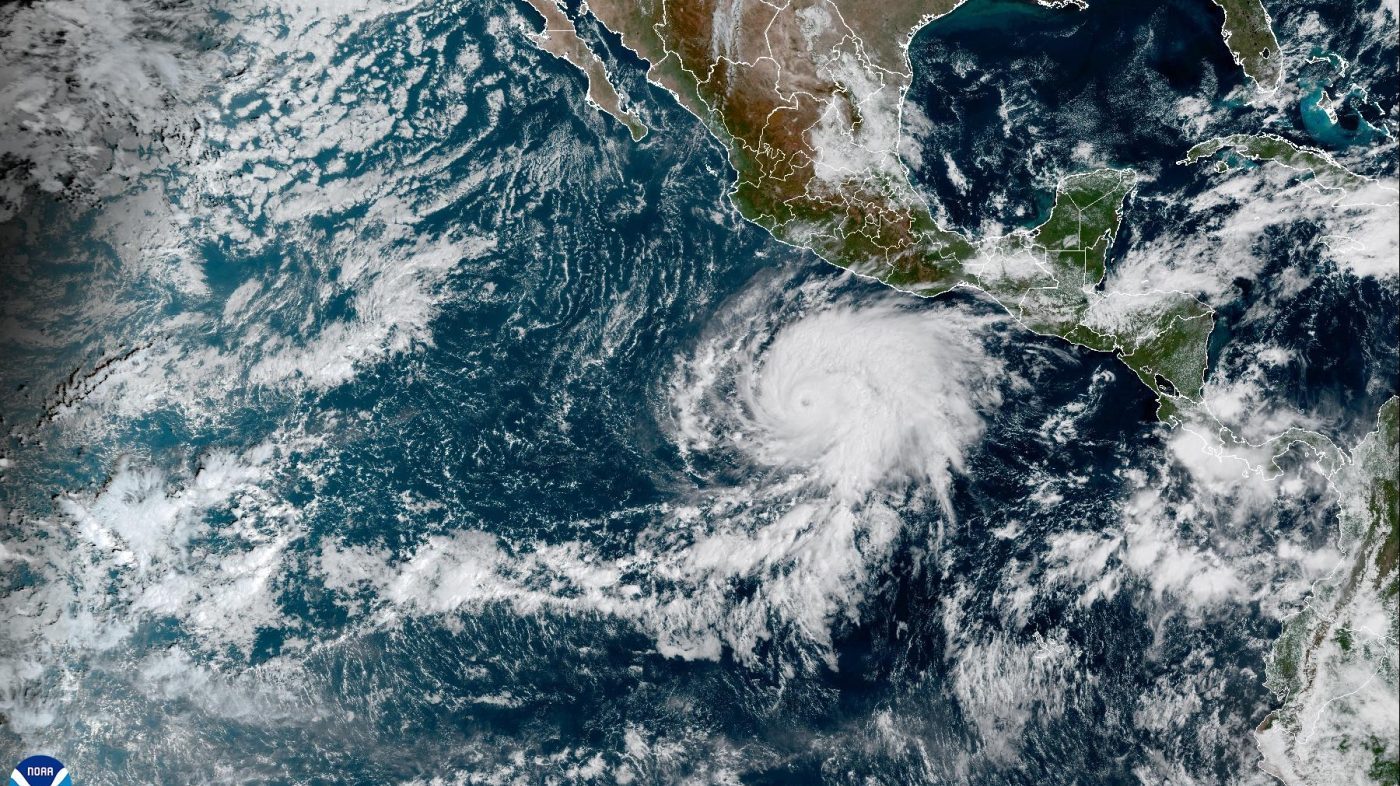
Hurricane Vance is barreling toward Mexico's southern Pacific coast, with forecasters predicting it will rapidly intensify into a major hurricane within the next 24 hours. The National Hurricane Center (NHC) said Friday that the storm, which reached hurricane strength earlier in the day, is expected to become a Category 3 or higher by Friday night.
The NHC warned that swells generated by Vance will begin affecting coastal areas of southern and southwestern Mexico this weekend and persist into next week. These swells are likely to produce life-threatening surf and rip current conditions, the center said in its advisory.

As of Friday morning, Vance was a Category 1 hurricane with maximum sustained winds of 90 mph, according to the Associated Press. The storm is the latest in a string of powerful Pacific hurricanes this season, and if it reaches major status, it would be the seventh consecutive major hurricane in the Pacific this year, following Nolo, Odalys, Polo, Rachel, Simon, and Trudy.
The northeastern and central Pacific basins have seen an unusually active season, with at least 20 named storms by September 28, according to NASA. Nine of those storms have reached hurricane strength. The intense activity is being driven by El Niño conditions, which have created unusual weather patterns globally.
In July, the AP reported that this year's El Niño had an 81 percent chance of becoming "very strong" by fall, altering weather patterns across the globe. That forecast has materialized, contributing to the hyperactive Pacific hurricane season.
While Vance is not expected to make landfall in the United States, its proximity to Mexico's coast has prompted warnings for residents and tourists. The storm's rapid intensification is a reminder of the destructive power of Pacific hurricanes, which have become more frequent and intense in recent years due to warming ocean temperatures.
Climate scientists point to a combination of El Niño and long-term climate change as factors fueling such storms. The Pacific hurricane season, which runs from May to November, has already seen several record-breaking storms, and Vance could add to that tally.
Authorities in Mexico are monitoring the storm closely, urging coastal communities to prepare for high waves and dangerous currents. The NHC advises that anyone in the affected areas should heed local warnings and avoid beaches during the weekend.
Vance's path and intensity will be closely watched in the coming days, as forecasters refine their predictions. The storm's potential to become a major hurricane underscores the need for preparedness in vulnerable coastal regions.