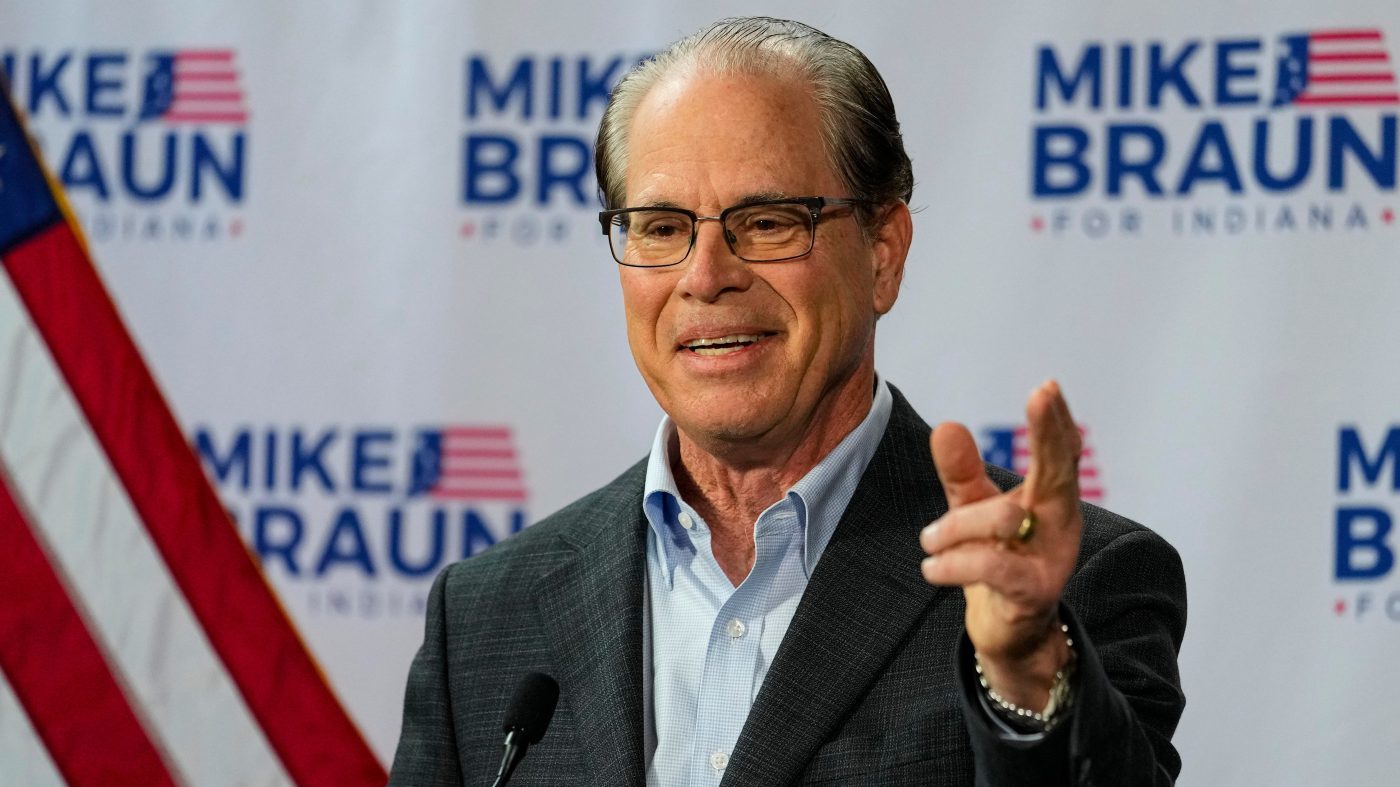
Indiana Governor Mike Braun, a Republican, moved Wednesday to suspend the state's gasoline use tax for a 30-day period, a direct response to escalating fuel prices that have followed recent U.S. and Israeli military action against Iran. The executive order aims to provide immediate, though temporary, relief at the pump for state residents.
At a press conference, Braun stated his administration would work to implement the tax pause "as quickly as we can get it out there," targeting later this week or early next for it to take effect. "You're going to have a 30-day holiday from the point of getting it implemented," he said. He added that he would evaluate whether to extend the suspension after the initial period but offered no guarantee.
The governor explicitly called on gasoline retailers to pass the savings to consumers and directed state Attorney General Todd Rokita, also a Republican, to enforce anti-price gouging statutes. "The state will be watching the pumps to make sure savings are delivered to Hoosiers when they go to fill up each week, or whenever they do," Braun warned.
Tax Mechanics and Price Context
The suspension applies specifically to Indiana's gasoline use tax, which is calculated as 7% of the statewide average retail price. For April, that rate was set at just over 17 cents per gallon, based on an average price from mid-February to mid-March. The state's separate, fixed gasoline tax of 36 cents per gallon remains unaffected by the order.
The action comes as Indiana drivers face steep increases. According to AAA, the average price for a gallon of regular gasoline in the state stood at over $4.13 on Wednesday, nearly 68 cents higher than a month ago and more than 90 cents above the price from a year earlier. This spike is only a few cents below the current national average, which itself is approaching historic highs as seen in other states where record diesel prices have been reported.
Geopolitical Triggers and Market Volatility
The price surge is widely attributed to instability in the Middle East following retaliatory strikes by the U.S. and Israel against Iranian targets. A key catalyst was Iran's subsequent restriction of shipping through the Strait of Hormuz, a critical chokepoint for roughly one-fifth of global oil shipments. However, markets experienced volatility on Wednesday after President Trump announced a two-week pause in hostilities, causing the benchmark West Texas Intermediate crude price to fall below $95 per barrel. The announcement followed earlier State Department warnings and evacuation orders for the region.
Democratic leaders in the state legislature offered tepid support for the tax suspension while launching a sharp political critique. State House Minority Leader Phil GiaQuinta said his caucus backed the move but accused Braun and Republican lawmakers of a delayed and reactive response. "House Democrats support this suspension, but Gov. Braun and Statehouse Republicans are only cleaning up a mess that they helped create," GiaQuinta said in a statement.
He tied the economic pain directly to foreign policy, arguing, "Hoosiers are tired of unstrategic and unfocused foreign wars that cost American lives, drive up gas prices and raise the cost of living." GiaQuinta concluded, "This isn't leadership, it's a last-minute scramble to keep up the Indiana GOP's charade of being the 'fiscally responsible' party." The political friction in Indiana mirrors national tensions, where the administration's handling of the Iran crisis has drawn intense scrutiny and conflicting narratives, including disputes over media coverage of ceasefire terms.
The gas tax holiday represents a tangible, if short-term, policy intervention in a volatile election-year environment where energy costs and global conflict are top-tier voter concerns. The move also occurs against a backdrop of intense Republican primary politics in the state, where former President Trump has been actively targeting certain GOP incumbents. Governor Braun's decision will test the immediate impact of state-level tax policy on global commodity prices and set a precedent other governors may follow as the geopolitical situation evolves.