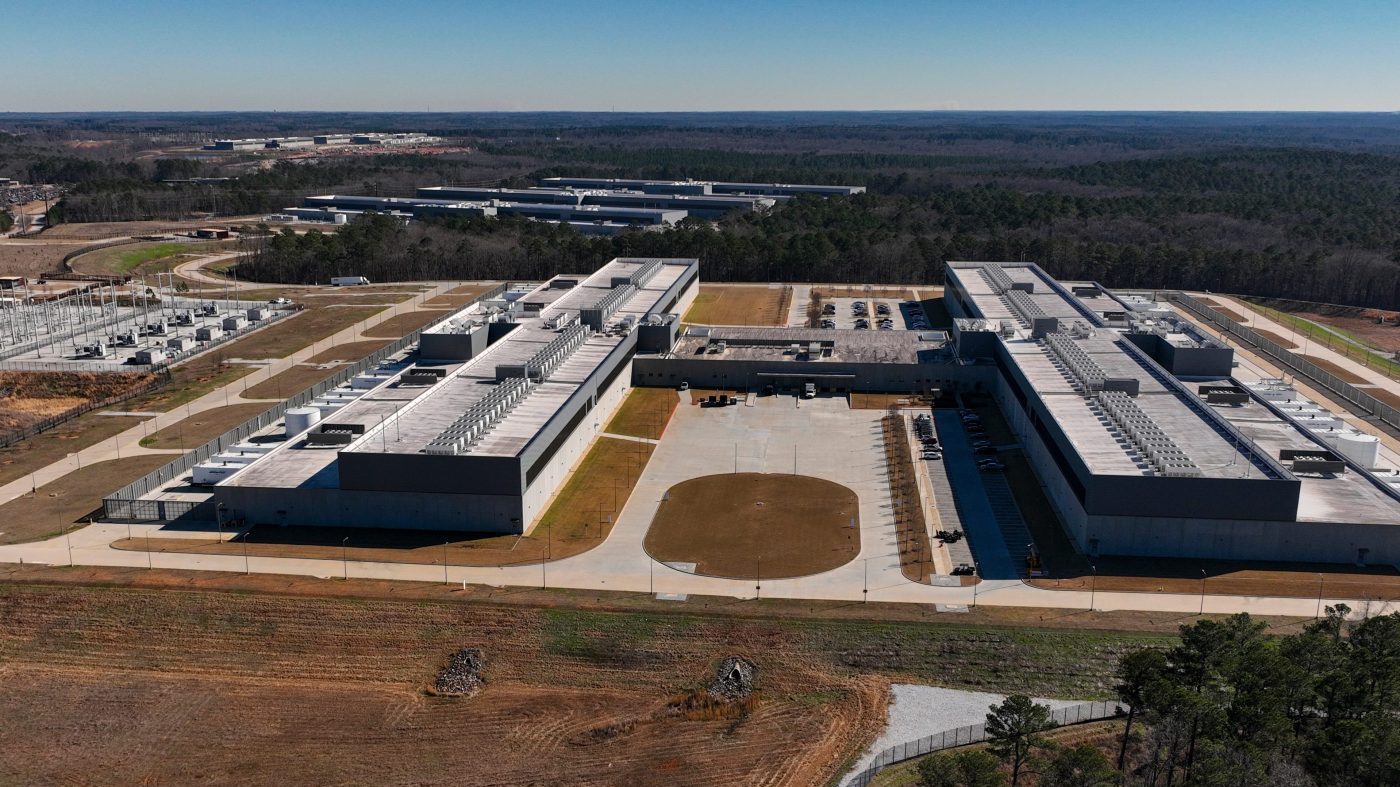
Voters in Port Washington, Wisconsin, have enacted a pioneering local law that could reshape how communities negotiate with the booming data center industry. In a referendum passed Tuesday, the city north of Milwaukee mandated that any future large-scale project seeking significant tax incentives must first win direct approval from residents at the ballot box. Unofficial county results show the measure passed with approximately 66% support, marking what appears to be the first such municipal requirement in the United States.
Direct Democracy on Development Deals
The new ordinance specifically targets Tax Incremental Financing (TIF) districts, a common tool municipalities use to subsidize development. Under the referendum, any project with a base value or construction costs exceeding $10 million that requests a TIF benefit must be put to a public vote. The policy emerged directly from local controversy over a planned data center campus in Port Washington that is slated to receive an estimated $458 million in city tax benefits, according to Christine Le Jeune of the advocacy group Great Lakes Neighbors Incorporated.

"Tonight, democracy worked the way it's supposed to," Le Jeune said in a statement following the vote. "Over 1,000 residents signed the petition that put this measure on the ballot, and tonight Port Washington voters spoke with one clear voice. The people deserve a seat at the table when their tax dollars are on the line." The vote reflects a growing assertiveness by communities in Wisconsin's contentious political landscape, where local control has become a recurring flashpoint.
Legal Challenge and Economic Concerns
However, the referendum's future is not yet secure. The Metropolitan Milwaukee Association of Commerce, a prominent local business organization, has filed a lawsuit against the measure. The group argues that subjecting major economic development deals to popular vote creates uncertainty that will deter investment and harm the regional economy. This legal fight underscores the tension between democratic oversight and traditional, executive-led economic development strategies.
The Port Washington vote is not an isolated incident but part of a significant national backlash against data center expansion. Communities across the country are raising alarms about the facilities' substantial demands on local power grids and water resources, which can drive up utility costs for residents and strain infrastructure. According to Data Center Watch, a project from AI company 10a Labs that tracks local opposition, twenty data center projects worth a combined $98 billion were blocked or delayed between March and June of 2025 alone.
A National Political Movement Takes Shape
This local activism is rapidly scaling to state and federal politics. Several states have introduced legislation to pause or heavily regulate new data center construction. In late March, Senator Bernie Sanders (I-Vt.) and Representative Alexandria Ocasio-Cortez (D-N.Y.) introduced a federal proposal calling for a moratorium on new data centers, framing the issue around energy equity and environmental sustainability. The political momentum comes as the infrastructure needed to power artificial intelligence faces increasing scrutiny for its broader impact on critical national infrastructure, including energy and water systems.
Facing this mounting pressure, the technology industry has begun to respond. Last month, several major companies—including Amazon, Google, and Oracle—signed a White House pledge to help cover rising consumer electricity costs attributed to their data center operations. This concession is seen as an attempt to preempt more stringent regulatory action and address a core public complaint.
The outcome in Port Washington represents a potential new model for community control over industrial development. It signals that residents in both politically competitive states like Wisconsin and beyond are seeking a more direct say in the trade-offs between economic investment and local quality of life. As the data center boom continues, driven by insatiable demand for cloud computing and AI capabilities, the referendum foreshadows more contentious battles at the intersection of technology, policy, and local democracy.