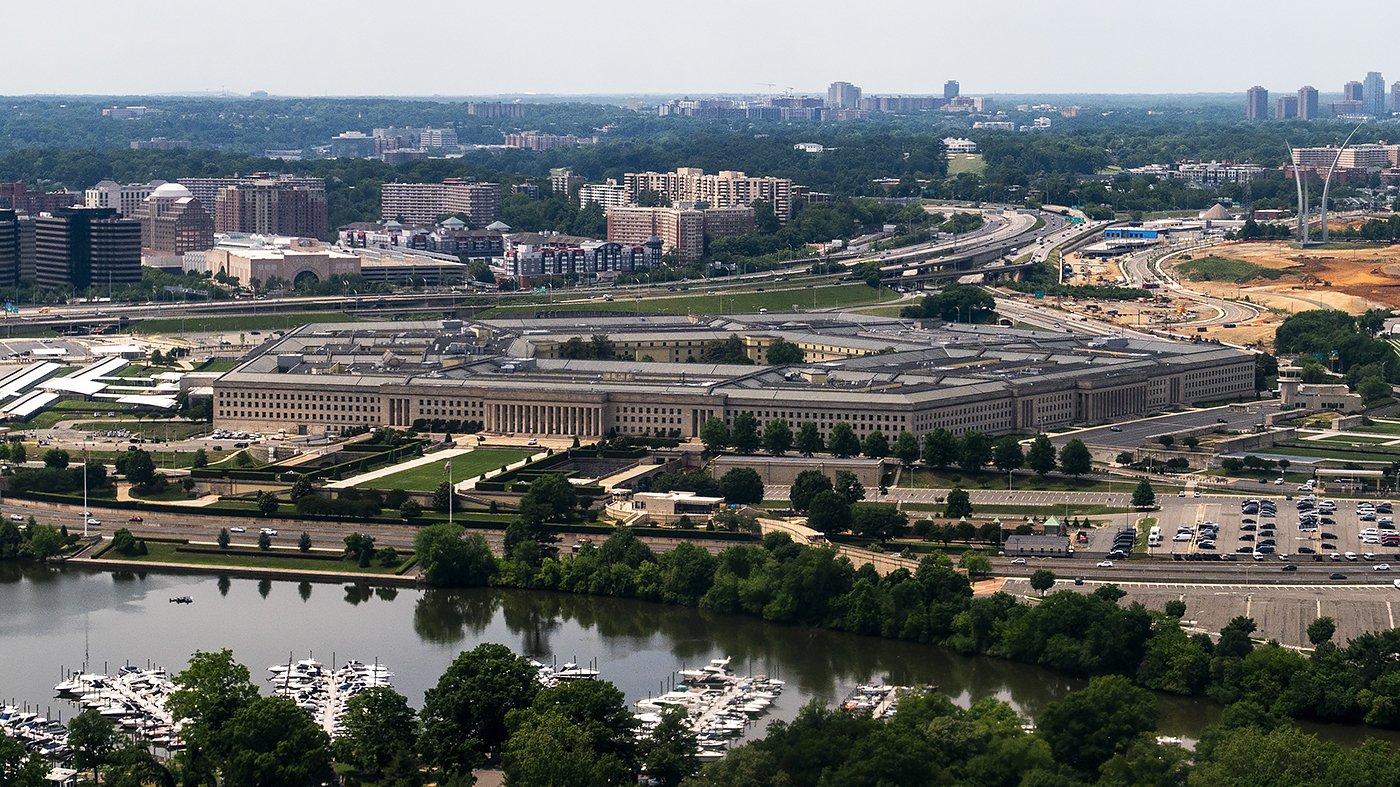
The House Appropriations Committee on Wednesday approved a $1.1 trillion defense spending bill for fiscal year 2027, including a controversial provision to rename the Department of Defense as the Department of War. The measure passed on a party-line vote of 34-27, marking the third time this year that congressional Republicans have backed President Trump's effort to rebrand the Pentagon.
The bill now heads to the full House, where it is expected to spark a fierce partisan battle. Democrats have slammed the name change as a costly and unnecessary gesture, while Republicans argue it signals a stronger military posture. The Congressional Budget Office estimated the rebranding could cost up to $125 million, a figure Democrats seized on during the markup.

GOP Deflects Democratic Amendments
During the nearly eight-hour committee session, Republicans rejected every Democratic amendment, including proposals to limit troop withdrawals from Europe, block the deployment of National Guard units to Washington, D.C., and require Defense Secretary Pete Hegseth to justify withholding promotions for female and minority officers. Hegseth has faced scrutiny for allegedly interfering in the advancement of several senior officers.
The legislation also targets policies the Trump administration has sought to eliminate at the Pentagon. It prohibits funding for diversity, equity, and inclusion initiatives, stops reimbursement for troops who cross state lines to obtain abortions, and bars coverage for gender-affirming surgeries and hormone therapies for transgender service members.
Republican Justification for Name Change
Representative Andrew Clyde (R-Ga.), who sponsored the name-change provision, argued that the switch would restore a warrior ethos. "The best defense is a good offense. And names communicate priorities," Clyde said. "The historic title 'Department of War' more directly reflects the warrior ethos."
Democrats countered that the rebranding wastes resources and undercuts the nation's preference for deterrence over conflict. "What programs or activities did the secretary short circuit in order to cover the cost of this name change?" asked Representative Betty McCollum (D-Minn.), the ranking member on the defense subpanel. "The Americans who settled on the Department of Defense in 1947, they knew what they were talking about. They knew we should want to deter war, not advertise we want war."
Historic Context and Legislative Path
The original Department of War was established in 1789 under President George Washington, but was renamed the Department of Defense in 1947 when the Truman administration merged the Army, Navy, and newly independent Air Force. Trump signed an executive order in September to revert to the old name, and Hegseth now uses the title "Secretary of War." The Pentagon has already updated its website and social media accounts accordingly.
The House bill sets up a tense negotiation with the Senate, where Democrats have signaled strong opposition. The final version must pass both chambers before becoming law. The broader debate over Trump's $1.5 trillion defense budget request is already fueling partisan tensions, as GOP fiscal conservatives resist the massive spending level, and a bipartisan spending impasse raises fears of a government shutdown.
Meanwhile, international dynamics add pressure, as Beijing blacklists 10 US defense firms, restricting dual-use exports in a move that could escalate trade tensions. The defense bill's fate remains uncertain, but the name change provision has become a flashpoint in the broader struggle over military priorities and spending.