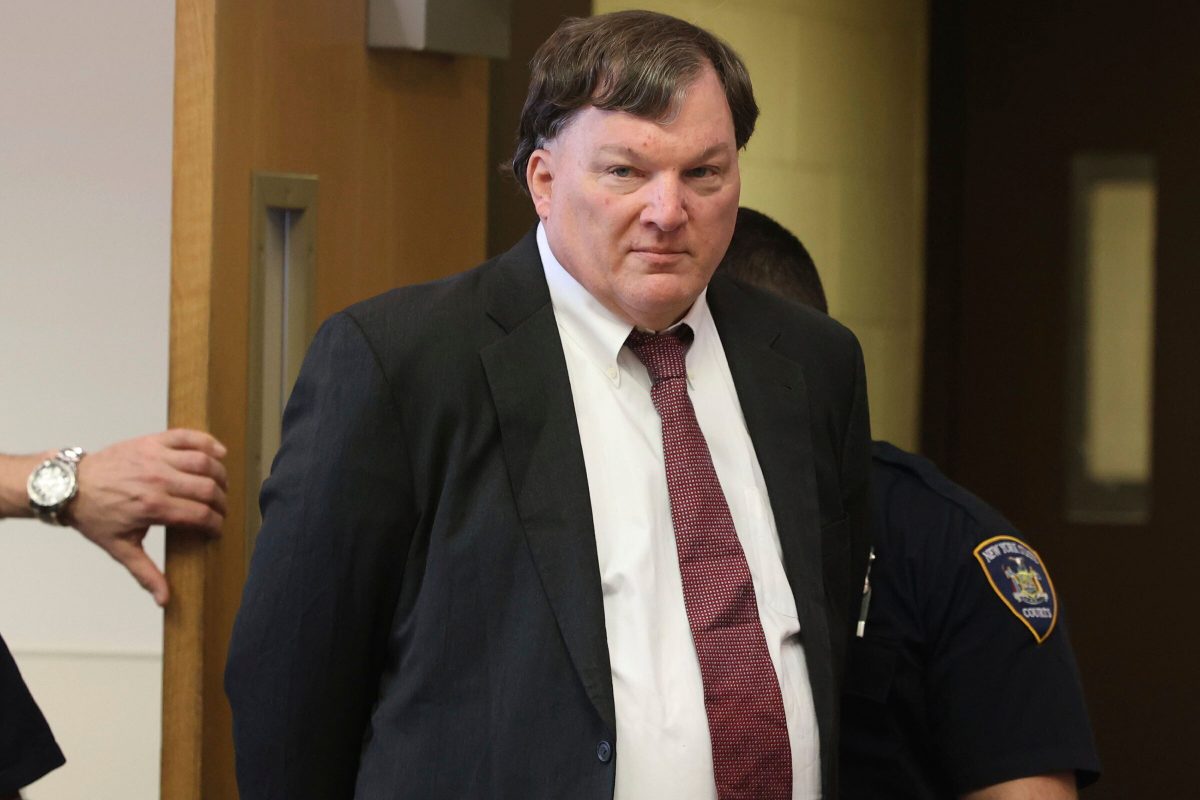
RIVERHEAD, N.Y. — Rex Heuermann, the architect charged in the notorious Gilgo Beach serial killings, entered a guilty plea on Wednesday, formally accepting responsibility for the murders of seven women after a multi-decade investigation that haunted Long Island.
The 62-year-old defendant admitted in court to kidnapping, torturing, and killing the victims, whose remains were discovered scattered across Suffolk County between 1993 and 2010. The plea agreement ensures Heuermann will spend the remainder of his life in prison without the possibility of parole, contingent on judicial approval.

Legal Resolution After Decades
Heuermann pleaded guilty to all charges, which included three counts carrying mandatory life sentences and four counts carrying sentences of 25 years to life. As part of the agreement, he formally waived his right to appeal any conviction or sentence. A sentencing hearing has been scheduled for June 17.
The courtroom was filled with family members of the victims, many of whom wept openly as Heuermann detailed the horrific acts he committed. The plea brings a stark conclusion to one of the nation's most protracted and publicized unsolved serial murder investigations.
Defense Statement and Closure
Heuermann's attorney, Michael J. Brown, addressed the court following the plea. "The defendant has an absolute right to change his plea to accept responsibility and enter a plea of guilty," Brown stated. He emphasized that the defense strategy had focused on challenging the evidence, not the victims. "It was never about attacking [the victims], it was always about attacking the evidence... so I think that this today hopefully gave some peace and some closure to the family members."
The case highlights persistent challenges in investigating violence against women and the long-term societal impact of such crimes. It echoes themes seen in other high-profile legal matters, such as the recent ethics case against a Florida Democrat found guilty on multiple counts, where accountability followed extensive scrutiny.
The resolution arrives amid broader national conversations about public safety and justice. Similar calls for public assistance in unresolved cases continue, as seen when a television host recently pleaded for help in her mother's abduction case, underscoring the enduring anguish families face.
Heuermann's guilty plea closes a major chapter for law enforcement and the community, though the scars from the killings will persist. The case's conclusion may influence policy discussions around law enforcement resources for cold cases and support for victims' families, issues often championed by groups like the Democratic Women's Caucus, which advocates for anti-violence funding.
With sentencing pending, the legal proceedings now shift to formally imposing the life terms. The outcome provides definitive answers in a mystery that has generated intense media coverage and public speculation for over a decade.