A senior Lebanese official has sharply condemned a major wave of Israeli airstrikes across Lebanon, describing the military action that struck central Beirut as a "very dangerous turning point" in regional hostilities. The attack occurred mere hours after the United States announced a temporary ceasefire agreement involving Israel and Iran.
Haneen Sayed, Lebanon's Minister of Social Affairs, told The Associated Press that the strikes directly targeted the heart of the capital. "These hits are now at the heart of Beirut... Half of the sheltered internally displaced people are in Beirut in this area," she stated, adding that the Lebanese government was prepared to enter negotiations with Israel. She noted that diplomatic efforts were underway, but Israel had not yet responded.
Scale and Scope of the Strikes
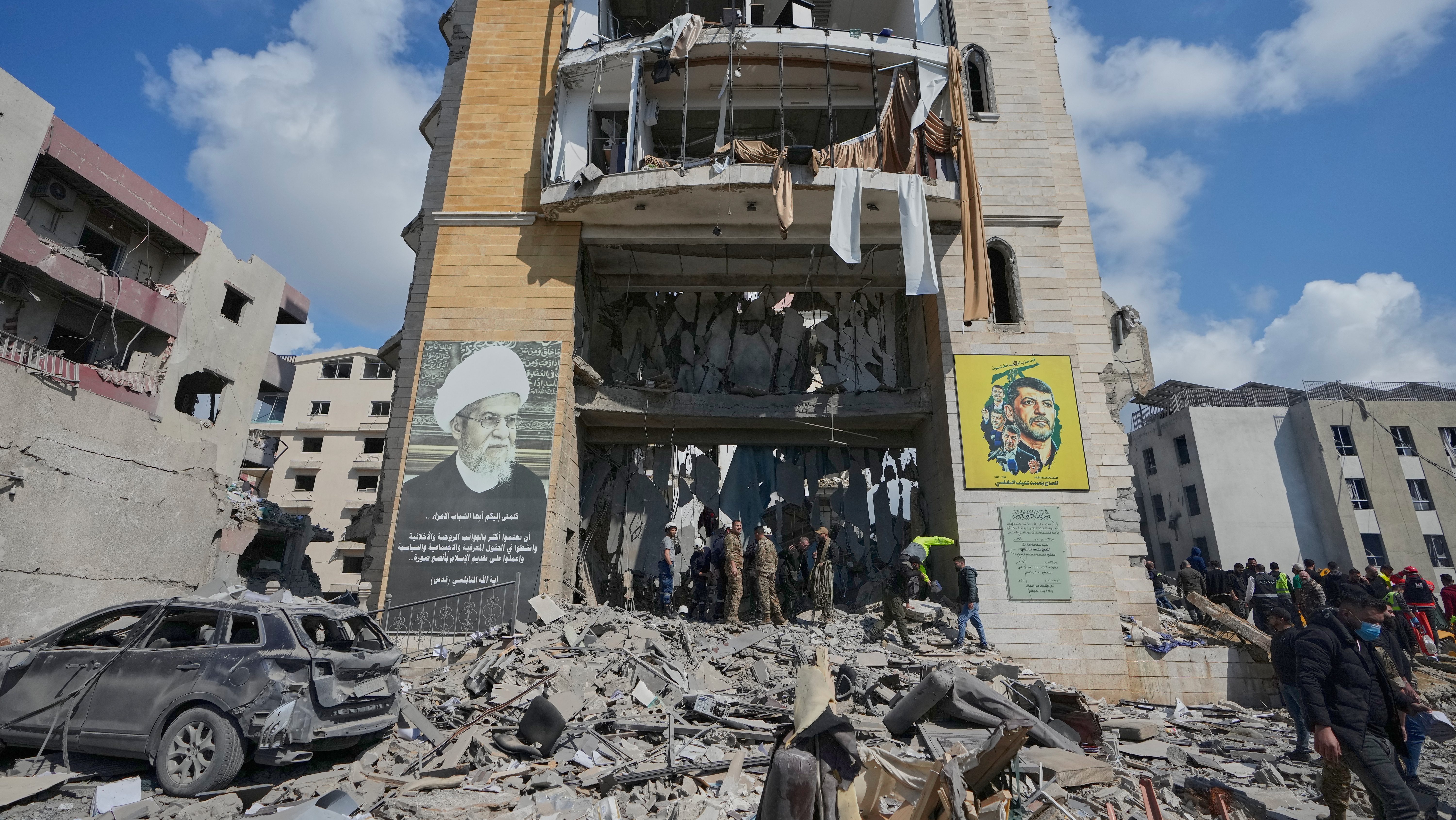
The Israeli military confirmed it launched what it described as its largest coordinated strikes against Hezbollah to date, hitting over 100 military sites and command centers linked to the Iran-backed group. Targets were located in Beirut, the Beqaa Valley, and southern Lebanon. According to an Israeli military statement, most of these targets were "located within the heart of the civilian population." While evacuation warnings were reportedly issued for some southern areas, none were given for central Beirut prior to the attack.
The human cost has been severe. Citing Lebanese officials, Al Jazeera reported at least 254 people killed and more than 1,165 wounded in the latest barrage. Since the conflict escalated in early March, the AP reports more than 1,530 fatalities in Lebanon and over one million people displaced. An aid worker on the ground described the scene in Beirut as "total chaos."
Ceasefire Confusion and Regional Fallout
The strikes immediately threatened the fragile, U.S.-brokered truce announced by President Trump. The agreement involved a two-week pause in U.S. military operations in exchange for Iran opening the Strait of Hormuz. However, optimism was short-lived. Iranian state media reported Tehran had closed the strait again in retaliation for the Israeli attacks, a claim the White House labeled as "false." This development underscores the fragile nature of the US-Iran ceasefire.
Confusion persists over whether Lebanon was included in the ceasefire terms. Israel maintains it was not, a position echoed by President Trump, who referred to the Lebanese conflict as a "separate skirmish" in a PBS News Hour interview. This aligns with reporting that the US-Iran ceasefire explicitly excludes the Hezbollah conflict. Conversely, Pakistani Prime Minister Shehbaz Sharif, who helped mediate, stated the opposite.
Allegations and International Law
The strikes have drawn sharp criticism from humanitarian organizations. Dr. Tania Baban, Lebanon country director for MedGlobal, told NBC News the assault represented "an open war crime with a clear violation of any international law possible — and no one is stopping this." Such allegations are likely to intensify scrutiny on the legal reviews surrounding potential military actions in the region.
The scale of the Israeli operation marks a significant escalation, described as the largest against Hezbollah since February. It demonstrates Israel's intent to continue its campaign against the group independently of the U.S.-Iran diplomatic track. The immediate closure of the Strait of Hormuz by Iran, if confirmed, would represent a rapid collapse of the ceasefire's central concession and plunge regional energy markets into uncertainty.
The situation leaves the Lebanese government in a precarious position, offering negotiations while its capital sustains direct hits. The attacks have exacerbated a severe humanitarian crisis, displacing a massive portion of the population. With conflicting signals from Washington and the President dismissing the Lebanon conflict as separate, the path to de-escalation appears fraught, risking a broader regional war that existing diplomatic frameworks seem ill-equipped to contain.