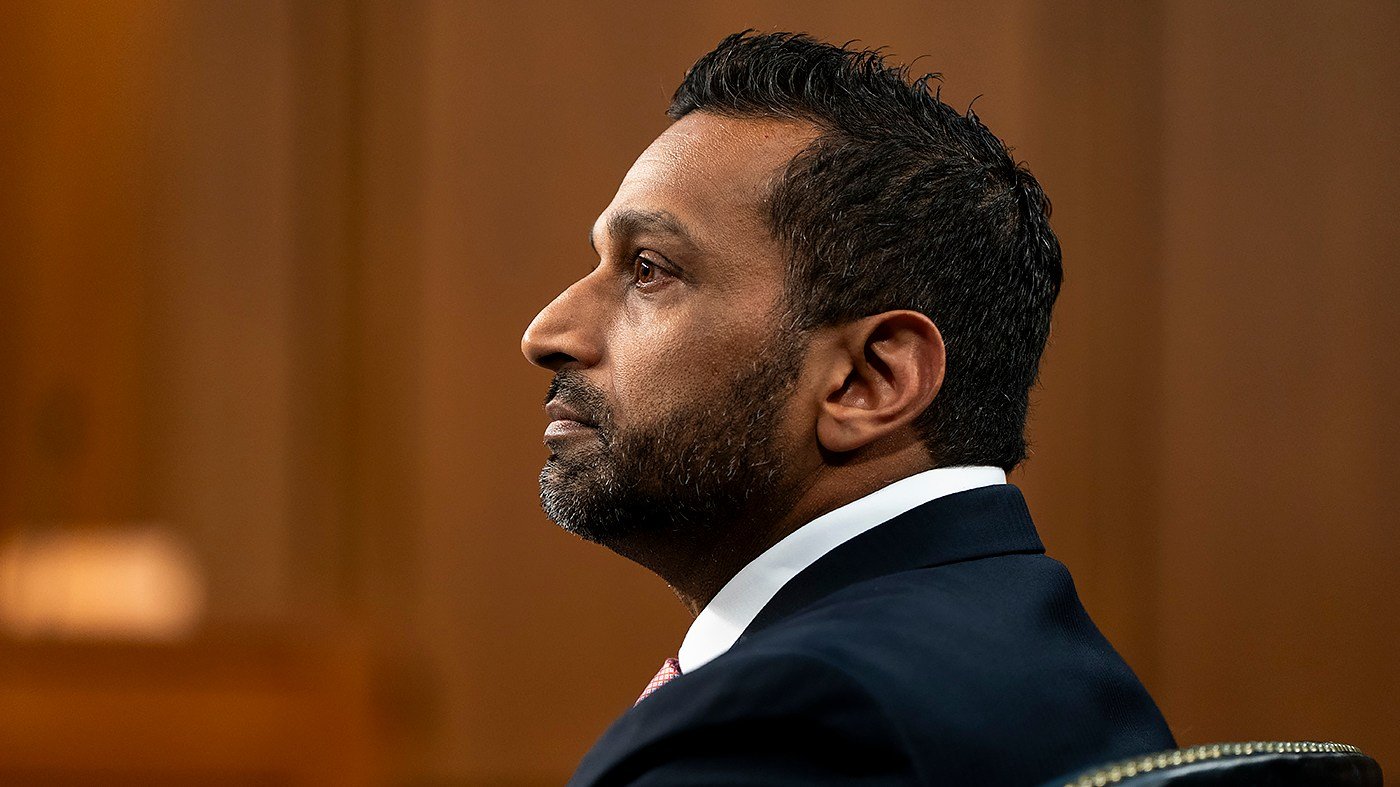
In a suggestion that could upend decades of tradition at the National Mall, Rep. Tim Burchett (R-Tenn.) proposed Tuesday that the Lincoln Memorial Reflecting Pool be allowed to transform into a living ecosystem instead of continuing costly efforts to keep it pristine.
Speaking to reporters on Capitol Hill, Burchett said, "Honestly, I think it'd be cool if they just let it go and create an ecosystem, have fish in there and everything. … I think that'd be a really … cool way to go," according to a video posted by MeidasTouch.
The offbeat idea comes just weeks after the completion of a $14.6 million renovation project at the iconic pool, awarded to Atlantic Industrial Coatings under a federal contract. That work was intended to address recurring issues with algae and peeling paint, but Burchett's comments suggest a fundamental rethink of the pool's purpose may be warranted.
Renovation Woes and Political Backdrop
The reflecting pool has become an unlikely flashpoint in Washington politics. The Trump administration previously deployed the National Guard over algae and paint issues at the site, and former President Trump himself advanced unsubstantiated theories of vandalism and sabotage to explain the pool's condition.
Burchett's proposal is a sharp departure from the traditional approach of maintaining the pool as a pristine mirror for the Lincoln Memorial and Washington Monument. Instead, he envisions a habitat that could attract wildlife and serve as an educational feature.
"We spend millions trying to keep it clear, and it just keeps turning green," Burchett added. "Maybe nature is telling us something."
Cost and Feasibility
The National Park Service, which manages the site, has not commented on Burchett's suggestion. However, the agency has faced scrutiny over the pool's maintenance, including incidents of vandalism and the discovery of dead ducks near the water during the Trump renovation period.
Environmental advocates have long argued that the pool's design—a shallow, chlorinated basin—is inherently unsustainable. Converting it to a natural ecosystem could reduce long-term costs, but would fundamentally alter its historic appearance.
Burchett's remarks also come amid broader debates over federal spending on national monuments and the role of green infrastructure in urban landscapes.
For now, the reflecting pool remains a source of political theater, with Burchett's proposal adding a new twist to an ongoing saga of maintenance mishaps and partisan finger-pointing.