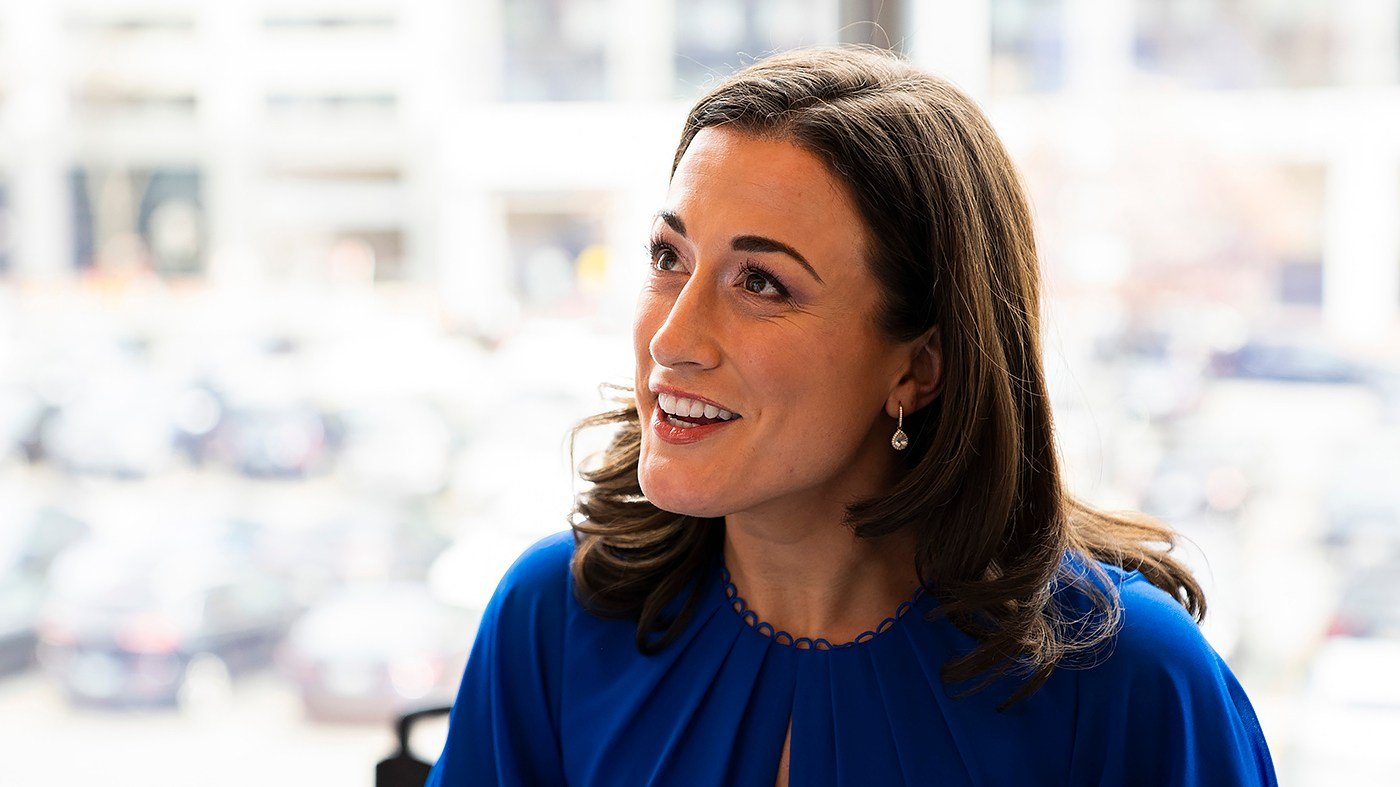
A federal grand jury in Washington, D.C., on Tuesday declined to indict former White House aide Cassidy Hutchinson, dealing a blow to the Justice Department's efforts to prosecute her over her testimony about President Trump's actions during the Jan. 6, 2021, Capitol attack.
Justice Department attorney Neville Hedley informed U.S. Magistrate Judge Zia Faruqui that the grand jury had not agreed to the proposed charges, though he did not name the defendant. According to people familiar with the matter, Hedley, who identified himself as acting senior litigation counsel, was referring to Hutchinson.
The Hill has reached out to the DOJ for comment.
The decision is another setback for the Trump administration's broader push to pursue criminal charges against political adversaries. It comes amid a series of high-profile prosecutions, including indictments of former FBI officials and a state senate leader, but this case failed to clear the grand jury hurdle.
Hutchinson, who served as an aide to Trump's chief of staff Mark Meadows, became a pivotal witness in the House investigation into the Capitol attack. In June 2022, she testified that Trump allegedly knew some supporters were armed when he encouraged them to march to the Capitol as Congress certified President Biden's 2020 election victory. She also claimed Trump lunged toward a Secret Service agent and tried to grab the steering wheel of his vehicle after being told he couldn't go to the Capitol.
Hutchinson later acknowledged she wasn't a firsthand witness to that incident, and Secret Service personnel disputed her account. Trump and his allies have repeatedly accused her of lying to Congress.
Earlier this year, Reps. Jim Jordan (R-Ohio) and Barry Loudermilk (R-Ga.) referred Hutchinson to the DOJ, alleging she gave false testimony. In an unusual move, the investigation was handled by the DOJ's Civil Rights Division, led by Assistant Attorney General Harmeet Dhillon.
Some federal prosecutors had privately expressed doubts about the strength of the case, noting that grand juries rarely reject proposed indictments because the standard is lower than for a conviction. The decision marks a rare instance where prosecutors couldn't convince a majority of jurors that a crime occurred.
This outcome also underscores the challenges facing the administration's legal strategy, which has seen mixed results in court. As public confidence in federal institutions hits new lows, according to a recent Gallup poll, the failed indictment may fuel further criticism of the DOJ's handling of politically sensitive cases.