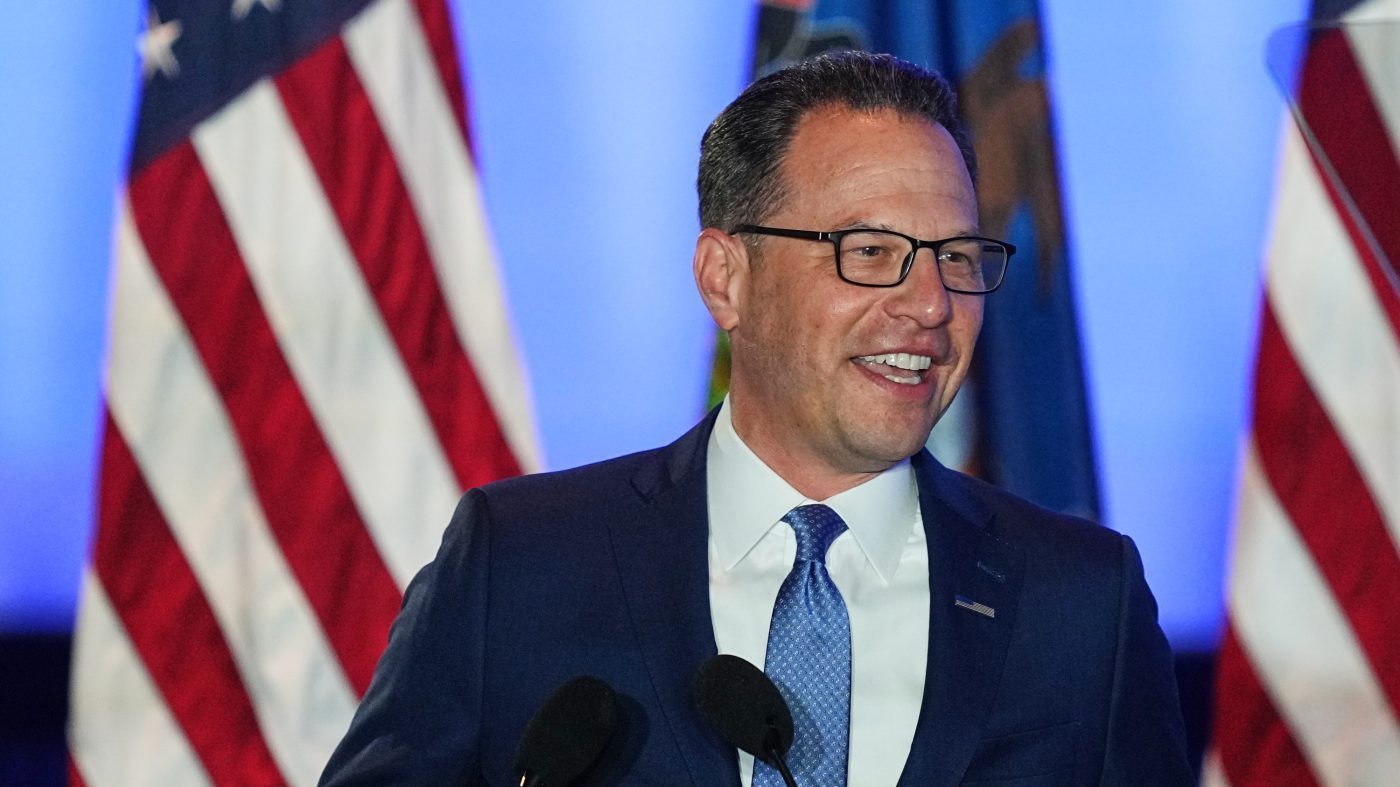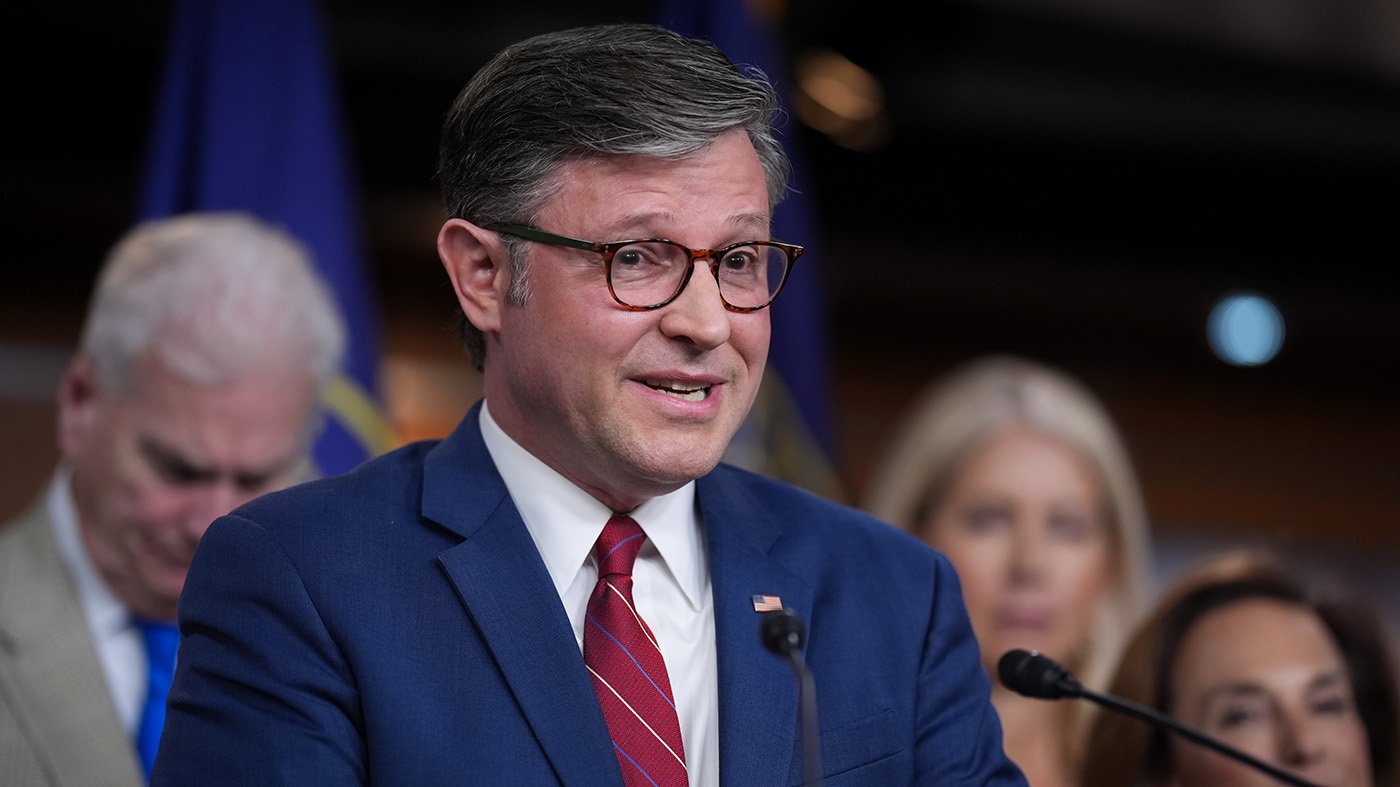
The House Rules Committee on Monday approved a procedural rule that would attach the Safeguard American Voter Eligibility (SAVE) Act to the National Defense Authorization Act (NDAA), sending the combined package to the House floor for debate and a final vote. The 8-4 party-line vote sets the stage for a critical test of Speaker Mike Johnson's ability to unify his narrow majority.
The maneuver, known as MIRVing, bundles the voter ID legislation—which would require proof of citizenship to register to vote—with the must-pass defense bill. Johnson has pitched the merger as a way to satisfy conservative hardliners who had threatened to block procedural votes unless the SAVE Act received floor action. The speaker previously warned GOP rebels that blocking the House agenda over the voter ID bill was self-defeating.
But the real hurdle comes Tuesday, when the full House will vote on the procedural rule itself. Johnson can afford only a handful of defections given his razor-thin margin, making near-unanimous GOP support essential. Representative Anna Paulina Luna (R-FL), a leading advocate of the SAVE Act, cast doubt on the strategy, posting on X that the Senate could simply strip the voting measure from the NDAA. She wrote after the Rules hearing, “MIRV ref NDAA won’t work.”
Democrats on the committee pushed back hard. Ranking Member Jim McGovern (D-MA) offered an amendment to remove the SAVE Act language from the rule, but Republicans voted it down. McGovern warned his GOP colleagues that the maneuver was a “shell game,” arguing that the Senate has already signaled it would excise the voter ID provisions. “Nothing in this rule will prevent that,” he said. “All you’re doing by supporting this shell game is giving false hope to those like Representative Luna.”
The procedural rule also includes other legislation: a bill funding national security and State Department programs, and a resolution marking the one-year anniversary of the One Big Beautiful Bill Act. The broader defense authorization measure sets policy for the Pentagon and is considered essential must-pass legislation.
The SAVE Act has become a flashpoint in the ongoing battle over election integrity. The Supreme Court is set to weigh Arizona’s proof-of-citizenship voting rules, adding legal and political stakes to the debate. Meanwhile, the merger strategy highlights Johnson’s delicate balancing act between his conference’s right flank and the need to advance critical defense legislation.
If the rule passes the House, the merged bill would head to the Senate, where Majority Leader Chuck Schumer has indicated the chamber would strip out the voter ID language. That outcome would leave conservatives frustrated and could further complicate Johnson’s leadership. The coming days will reveal whether the speaker’s gambit can hold his party together—or whether it will unravel under the weight of internal divisions.