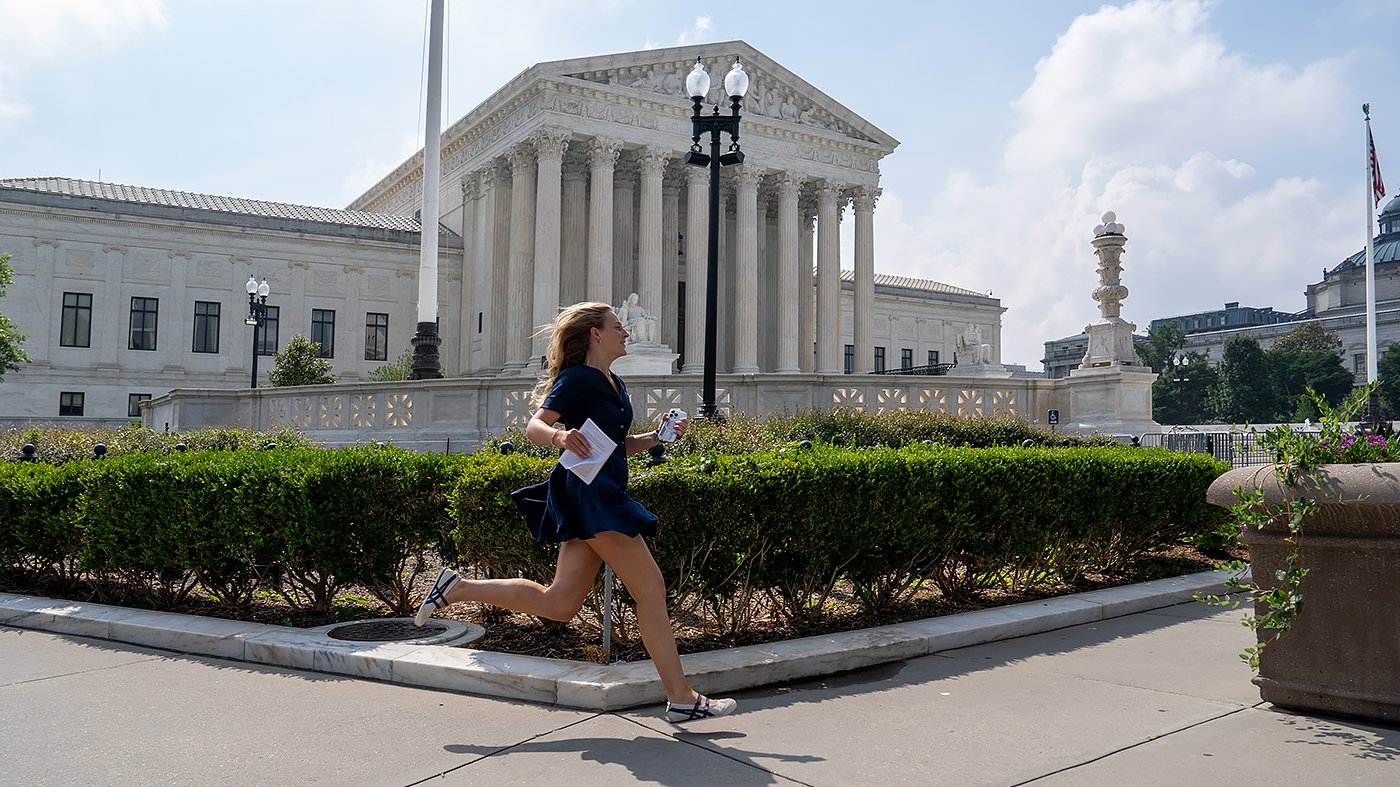
The Supreme Court delivered a split decision for President Trump on Monday, expanding his authority to fire leaders of independent agencies while blocking a key element of his election agenda and imposing procedural limits on his power over the Federal Reserve.
Major Win on Presidential Power
In a 6-3 ruling, the justices gave Trump the green light to dismiss members of the Federal Trade Commission and similar bodies without cause, overturning 91 years of precedent that shielded those agencies from White House interference. Trump called it the "greatest increase" in presidential power in a century.
Chief Justice John Roberts, writing for the conservative majority, argued that accountability demands a president who can control the executive branch. "When power is exercised well, the people know whom to thank; when power is exercised poorly, they know whom to blame—and whom to fire," Roberts wrote. "That is the very premise of our system of government."
The decision affects more than a dozen agencies overseeing nuclear safety, aviation accidents, product recalls, credit unions, and other areas. But Justice Sonia Sotomayor, in dissent, warned it hands Trump "a power unknown even to the English Crown" and "unleashes chaos" across the federal bureaucracy.
Justice Neil Gorsuch, in a solo opinion, acknowledged the concentration of power but said Congress can respond by reducing agencies' regulatory authority. "The power to write new regulatory crimes still exists, but now the pen ultimately rests in the President's hand," he wrote.
Roberts Rules for and Against Trump
Roberts also authored a narrower 5-4 decision that blocked Trump from firing Federal Reserve Governor Lisa Cook without due process. The ruling found Trump failed to provide Cook adequate notice or a hearing before attempting to oust her over mortgage fraud allegations, which she denies.
Allowing such a removal, Roberts wrote, would let the president fire a Fed governor "at any time, for any reason, without any notice before, and without any judicial check after." The chief justice stressed the decision was procedural and does not settle whether Cook can ultimately be removed. Trump, undeterred, quickly posted on Truth Social that the ruling was "strictly procedural" and vowed to push for her ouster.
Loss on Mail-In Ballots
In a separate 5-4 ruling, the court rejected a Republican National Committee-backed effort to stop Mississippi from counting mail-in ballots received up to five days after Election Day. Justice Amy Coney Barrett, writing for the majority, said federal election law does not forbid the practice, citing the Framers' intent to leave election rules to the states.
Justice Samuel Alito led the dissent, arguing that "the electorate's collective choice must still be authoritatively expressed on Election Day." Trump responded by renewing his call for the Safeguard American Voter Eligibility Act, but later conceded the bill is unlikely to pass due to opposition from four Republican senators.
The day's rulings underscored the court's central role in shaping Trump's agenda, even as public approval of the institution hovers near record lows. With more decisions expected this term, the balance between executive power and democratic checks remains a flashpoint.