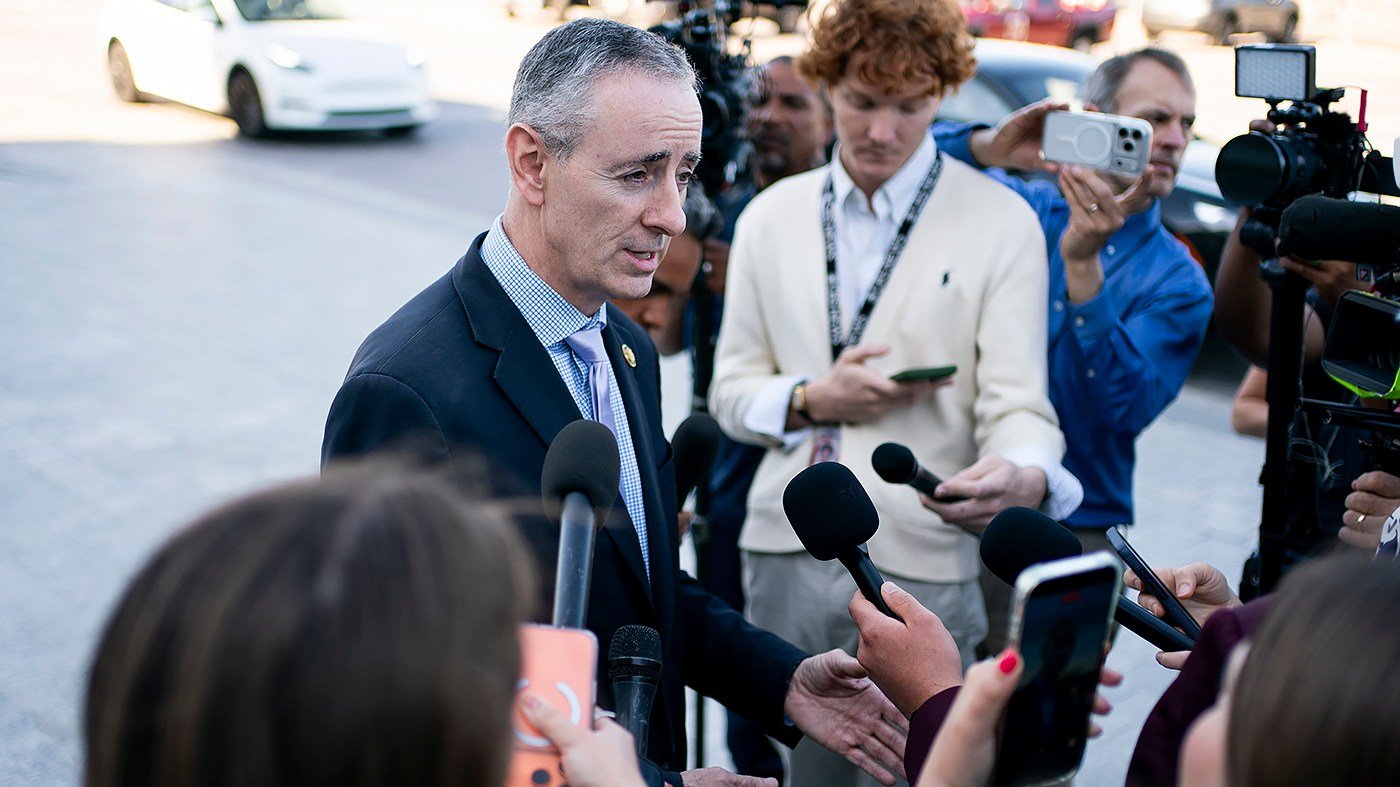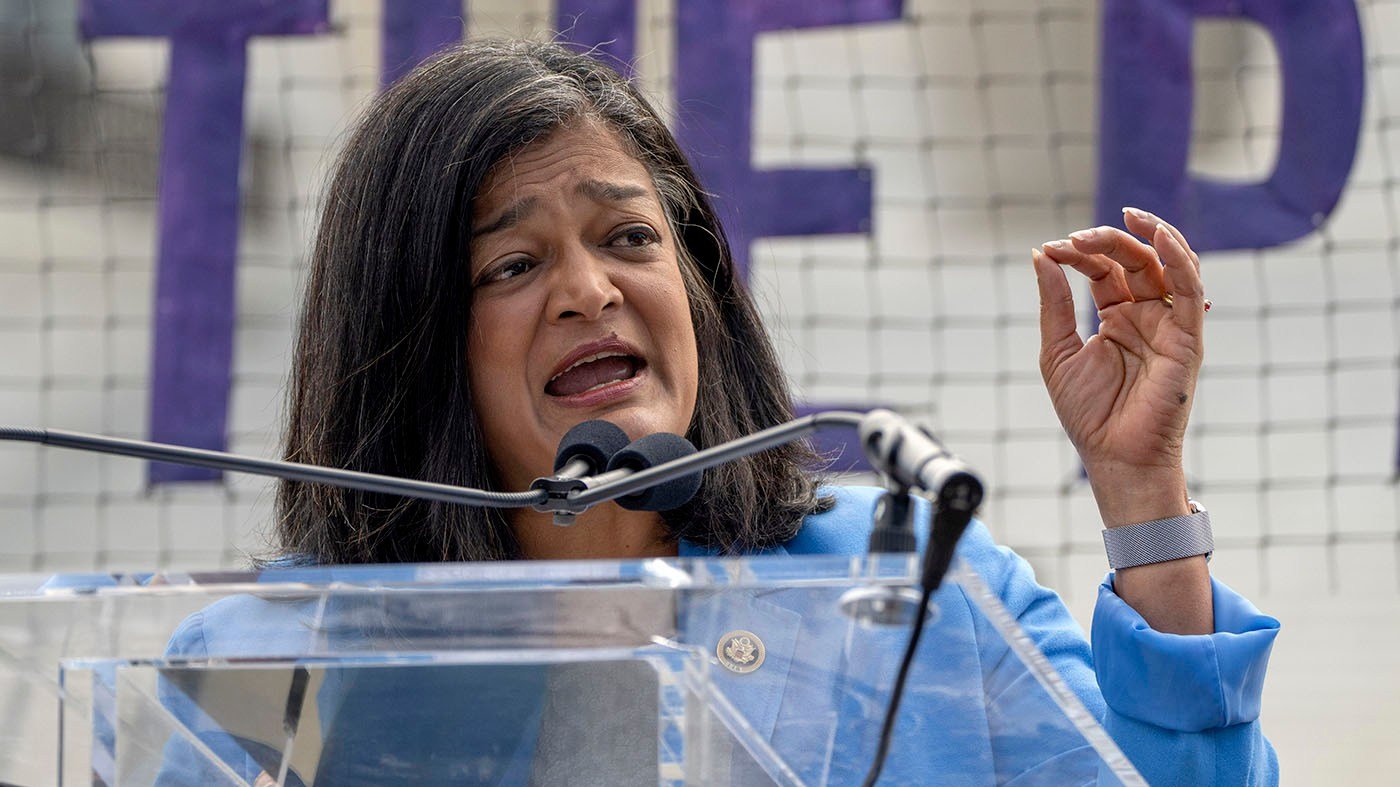
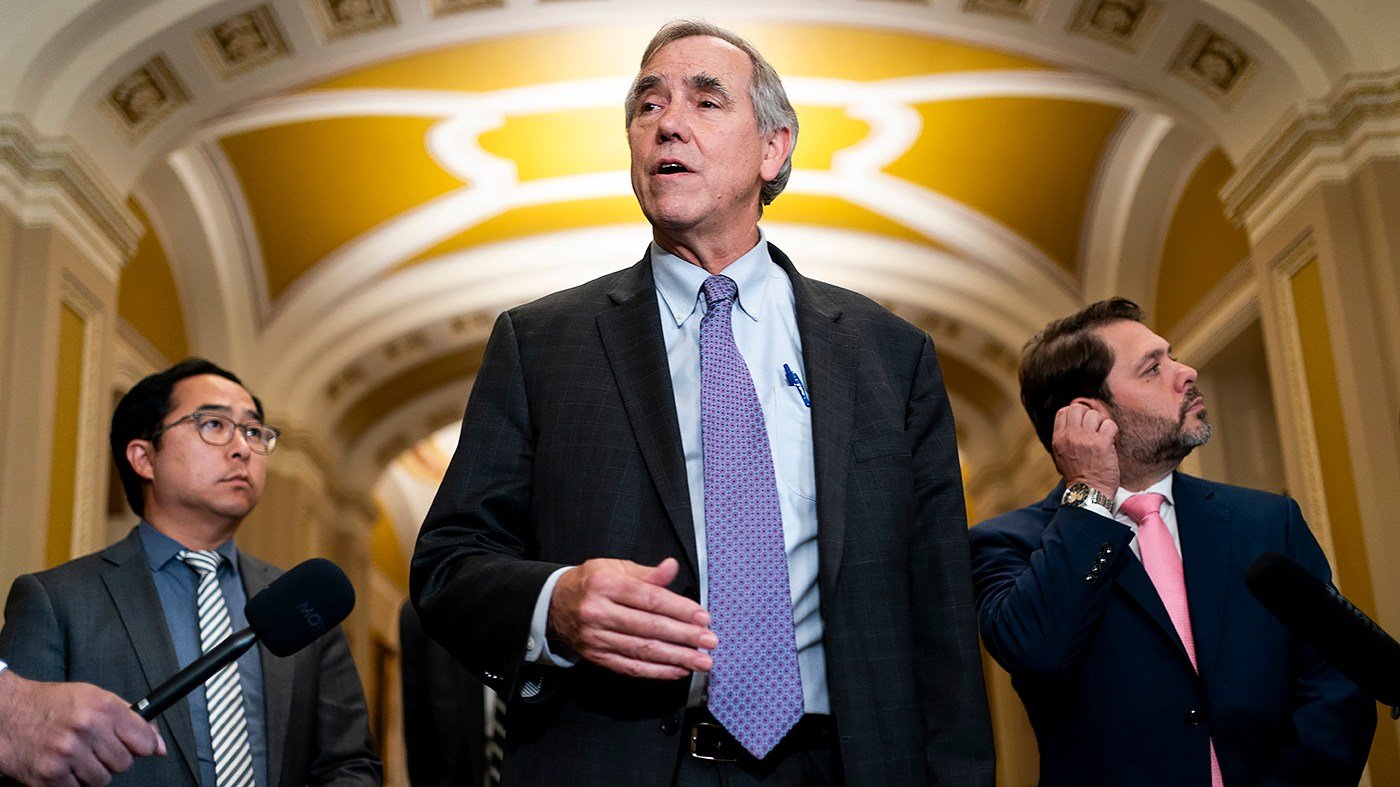
The Trump administration is taking heat for temporarily easing sanctions on Iranian oil, but much of the criticism rests on assumptions that don't match the facts on the ground. Opponents treat the decision as if Washington handed Tehran a massive economic gift, ignoring the strategic trade-offs that made the deal possible.
Some critics are pushing for retroactive changes—demanding that Iranian oil revenues be locked in escrow accounts. That sounds tough, but it's a fantasy. Iran never would have agreed to such terms, and insisting on them now would likely unravel the broader agreement that reopened the Strait of Hormuz to normal traffic.
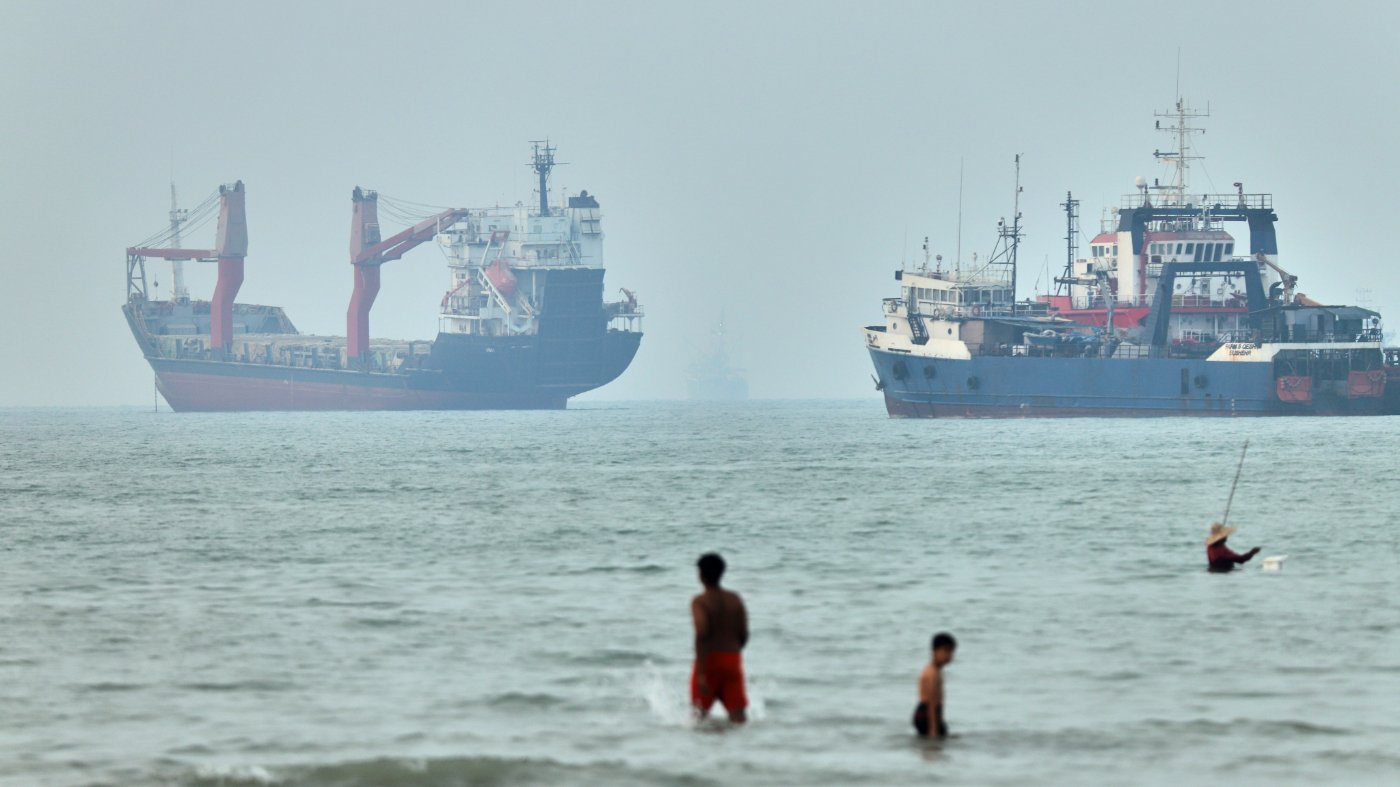
Diplomacy isn't about getting ideal outcomes. It's about getting achievable ones. The memorandum of understanding between the U.S. and Iran is far from perfect from an American perspective. The temporary sanctions waiver is a clear concession. But the real question isn't whether Iran benefits—it does. The question is whether those benefits justify risking the collapse of a deal that restored stability to one of the world's most critical energy chokepoints.
The answer is no. Much of the backlash assumes Iran suddenly gained access to enormous new oil revenue. That's inaccurate. Iran has been selling oil to China for years despite sanctions. The waiver doesn't create new sales—it improves the price Iran gets for existing ones, cuts evasion costs, and makes it easier to bring money home. The net gain for Iran over the initial 60-day period is estimated at roughly $1.5 billion. Even if extended repeatedly, that's far below critics' claims.
$1.5 billion isn't nothing. Every dollar to Tehran is undesirable. But foreign policy requires weighing costs against benefits, not just flagging things we dislike. The alternative critics propose—escrow accounts—assumes Iran would have accepted American control over its oil proceeds. No serious observer believes that was ever on the table.
The real choice wasn't between this deal and a tougher one. It was between a deal Iran would accept and no deal at all. Without the waiver, Iran could still sell oil—it did before—but the Strait of Hormuz would likely close again. That broader agreement achieved something more important than a marginal revenue increase: it restored stability to global energy markets after months of disruption.
Restoring stability always required concessions. The idea that Washington could dictate every condition was unrealistic. That reality may be politically toxic, but successful diplomacy is measured against available alternatives, not delusional ones. The administration should resist calls to reopen negotiations over terms already settled. Sometimes the choice is between an imperfect deal and no deal at all.