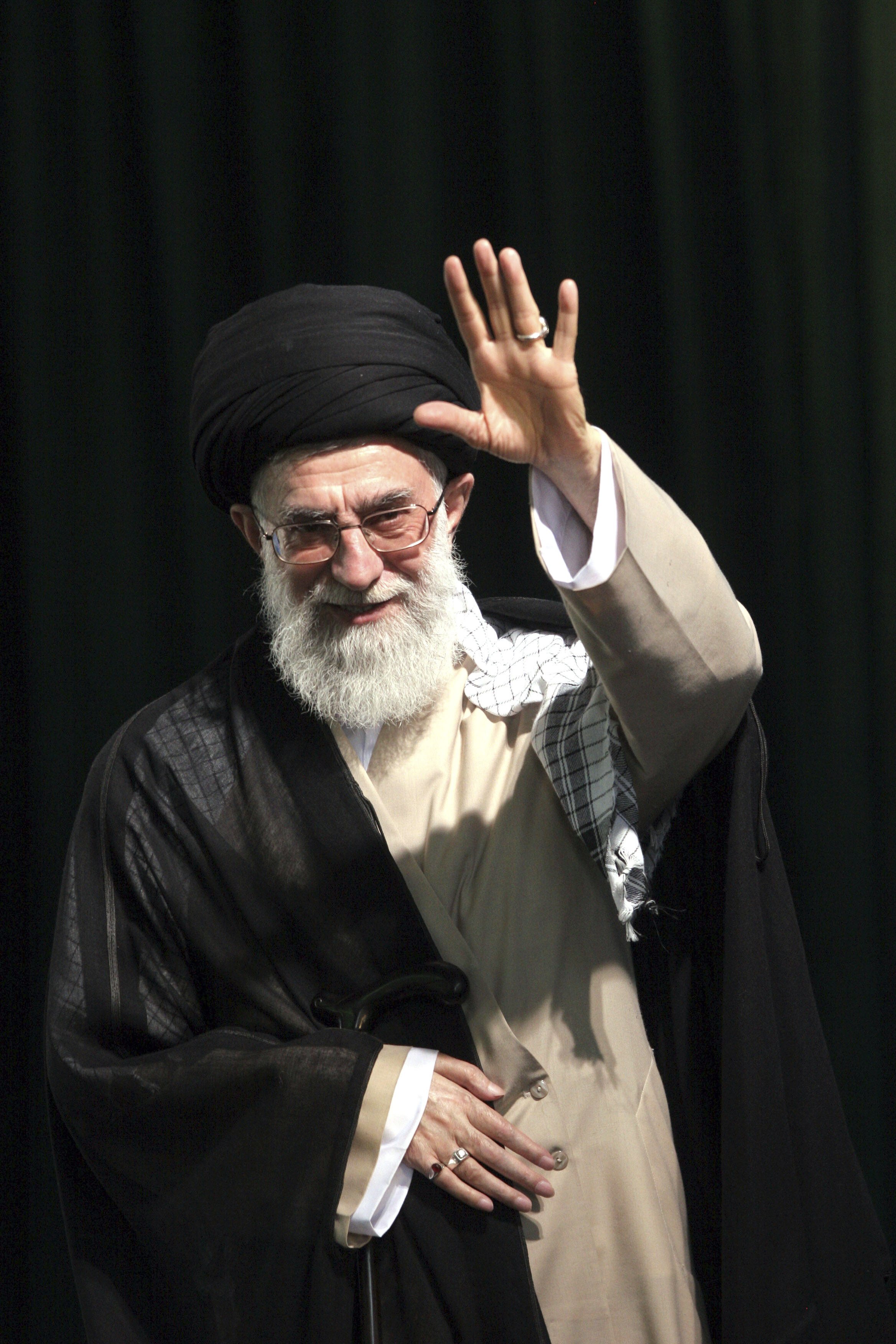
Iran is set to inter its former Supreme Leader Ali Khamenei on July 9, capping days of funeral ceremonies that officials expect to draw millions of mourners from across the Shiite Muslim world. Khamenei, who ruled the Islamic Republic for 37 years, was killed in U.S. and Israeli airstrikes on Feb. 28 at the onset of the current war.
The burial comes five months after his death, with massive crowds anticipated from Iran, Iraq, Lebanon, and Pakistan. The ceremonies evoke memories of past tragedies: during Ayatollah Ruhollah Khomeini's funeral, eight people were trampled to death, and a stampede at a commemoration for Revolutionary Guards General Qassem Soleimani killed over 24, according to the New York Times.
Leaders Call for Unity and Revenge
Iranian President Masoud Pezeshkian is urging all Iranians to honor Khamenei as a “loyal servant” to Islam. In a statement translated by The Hill and posted on Telegram by state outlet Tasnim, Pezeshkian called for a “historic presence” at the funeral, appealing across ethnic, religious, and political lines. “Your massive turnout will serve as a decisive response to the logic of terror and violence,” he wrote, framing the event as a display of national unity.
Parliament Speaker Mohammad Bagher Ghalibaf struck a more defiant tone. “We must rise up and convey the nation's call for avenging the blood of the martyred Leader to the world,” he said in a Wednesday statement published by state news agency IRNA. “The noble nation of Iran will not remain silent in the face of oppression and arrogance.”
International Attendance and Peace Talks
Senior officials from roughly 40 countries are expected to attend the ceremonies, which begin Saturday—coinciding with the U.S. Independence Day, as reported by Iranian outlet Mehr. The funeral unfolds as Ghalibaf and Pezeshkian lead negotiations with the United States toward a long-term regional peace deal. But talks have stalled, and recent strikes between the U.S. and Iran last weekend threatened the fragile ceasefire.
Negotiations were held in Qatar earlier this week, with U.S. Special Envoy Steve Witkoff and Trump's son-in-law Jared Kushner spearheading diplomatic efforts to end the war. The funeral's timing, overlapping with a major U.S. holiday, underscores the fraught relationship between the two nations.
As Iran prepares to lay its leader to rest, the massive crowds expected will test both security and the regime's ability to channel grief into political resolve. The event is a pivotal moment for a country balancing internal mourning with external pressure.