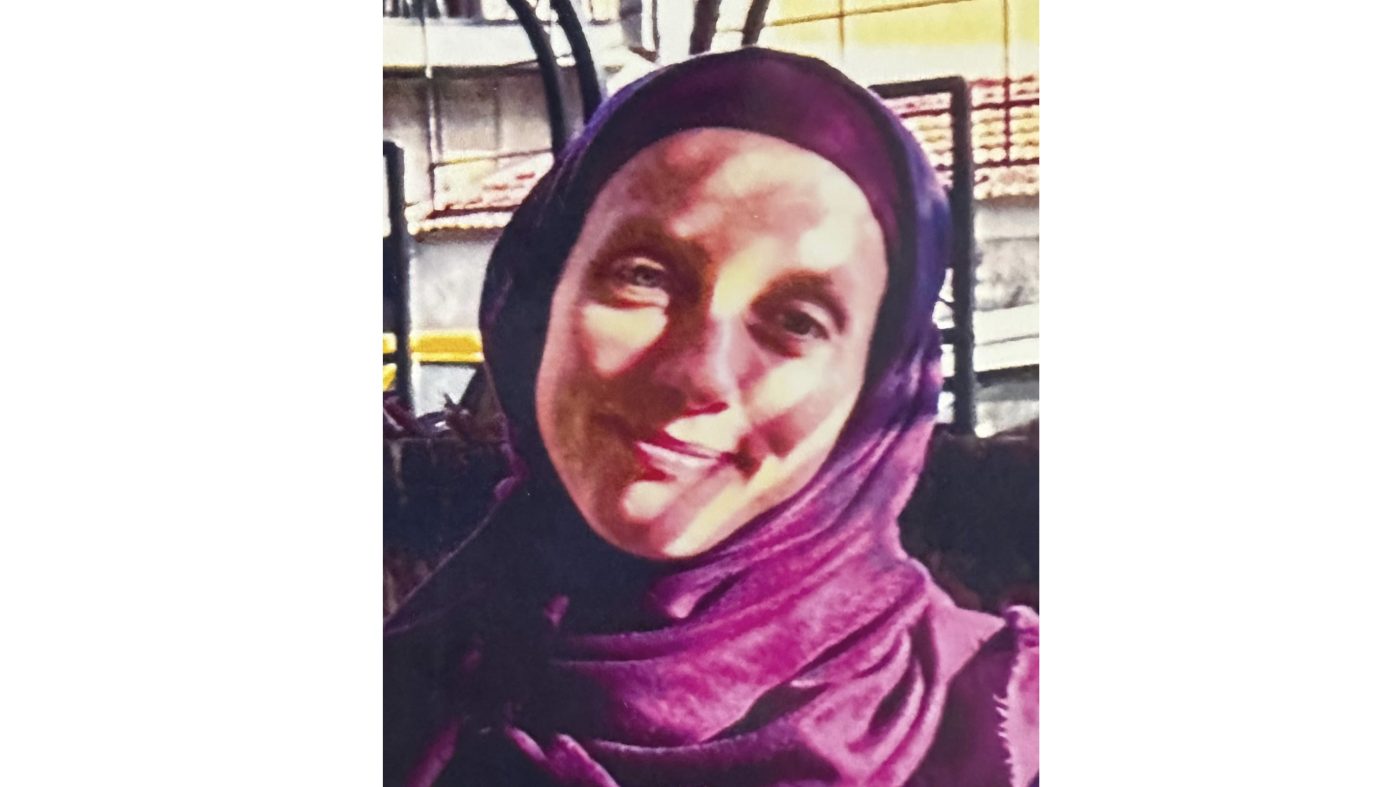
The Iran-backed Iraqi militia Kataib Hezbollah released American journalist Shelly Kittleson on Tuesday, ending a week-long captivity that began with her abduction in Baghdad on March 31. The group stated her freedom was secured through a prisoner exchange for several of its detained members and ordered her to depart Iraq immediately.
Terms of Release and Militia Statement
In a statement issued Tuesday, Kataib Hezbollah outlined the conditions of Kittleson's release, framing it as a direct swap. The militia explicitly warned that this arrangement "will not be repeated," pointing to ongoing joint military operations between the United States and Israel against Iran as the context for their decision. The demand for her swift exit from the country underscores the tense environment for Western journalists and personnel in Iraq.
Two militia officials confirmed the prisoner exchange details to The Associated Press, which first reported the development. An Iraqi official separately told the AP that Kittleson was freed Tuesday afternoon. Iraqi security forces had previously arrested one suspect connected to the late-March kidnapping but had been unable to locate Kittleson or her captors, with officials long suspecting Kataib Hezbollah's involvement.
Official Response and Lack of Confirmation
Reaction from U.S. officials and Kittleson's associates remained cautious pending formal verification. Alex Plitsas, her designated emergency contact and a CNN national security analyst, acknowledged seeing the militia's statement on social media but emphasized the lack of official U.S. government confirmation. "The Hostage Recovery Fusion Cell is the lead entity," Plitsas stated, adding there would be "no comment until a determination is made."
The State Department has not yet publicly confirmed the release, and The Hill reported it had reached out for comment. The incident occurs against a backdrop of heightened regional tensions, reminiscent of moments when a previous administration issued evacuation warnings during crises involving Iran.
Journalist's Background and Colleague's Reaction
Shelly Kittleson is a seasoned correspondent with over a decade of experience covering the Middle East. Prior to her abduction, she reported for Al-Monitor. The outlet's editor-in-chief, Joyce Karam, described the news of her potential release as a "glimmer of good news" in a social media post but noted Al-Monitor had not independently verified the reports.
The case highlights the persistent dangers faced by journalists in conflict zones, a concern paralleled in domestic policy debates over press access, such as when the Pentagon restricted press workspace following a court ruling. The mandated expulsion of a journalist also raises questions about media freedom and the operational space for foreign reporters in Iraq.
Broader Geopolitical Context
Kataib Hezbollah's explicit linkage of the prisoner exchange to U.S.-Israel military coordination with Tehran signals how regional proxy dynamics directly impact individuals on the ground. The militia's statement serves as a political message, using Kittleson's case to comment on broader strategic confrontations. This tactic of leveraging detainees in geopolitical disputes is not uncommon, reflecting the complex interplay between militant groups and state actors in the region.
The release deal, described as a one-time exception by the militia, suggests calculated diplomacy at a non-state level. It occurs amid a volatile climate where rhetoric can escalate quickly, as seen in historical moments when ultimatums were issued to Iran, threatening severe consequences. The immediate order for Kittleson to leave Iraq indicates an effort by the group to manage risk and avoid further entanglement while securing the release of its members.
As of this reporting, Kittleson's exact whereabouts and condition following her release have not been publicly detailed. The incident underscores the precarious situation for journalists working in areas where militant groups operate with significant autonomy, and where their safety can become a bargaining chip in wider international disputes.