Conservative Critic Assails Ceasefire Terms
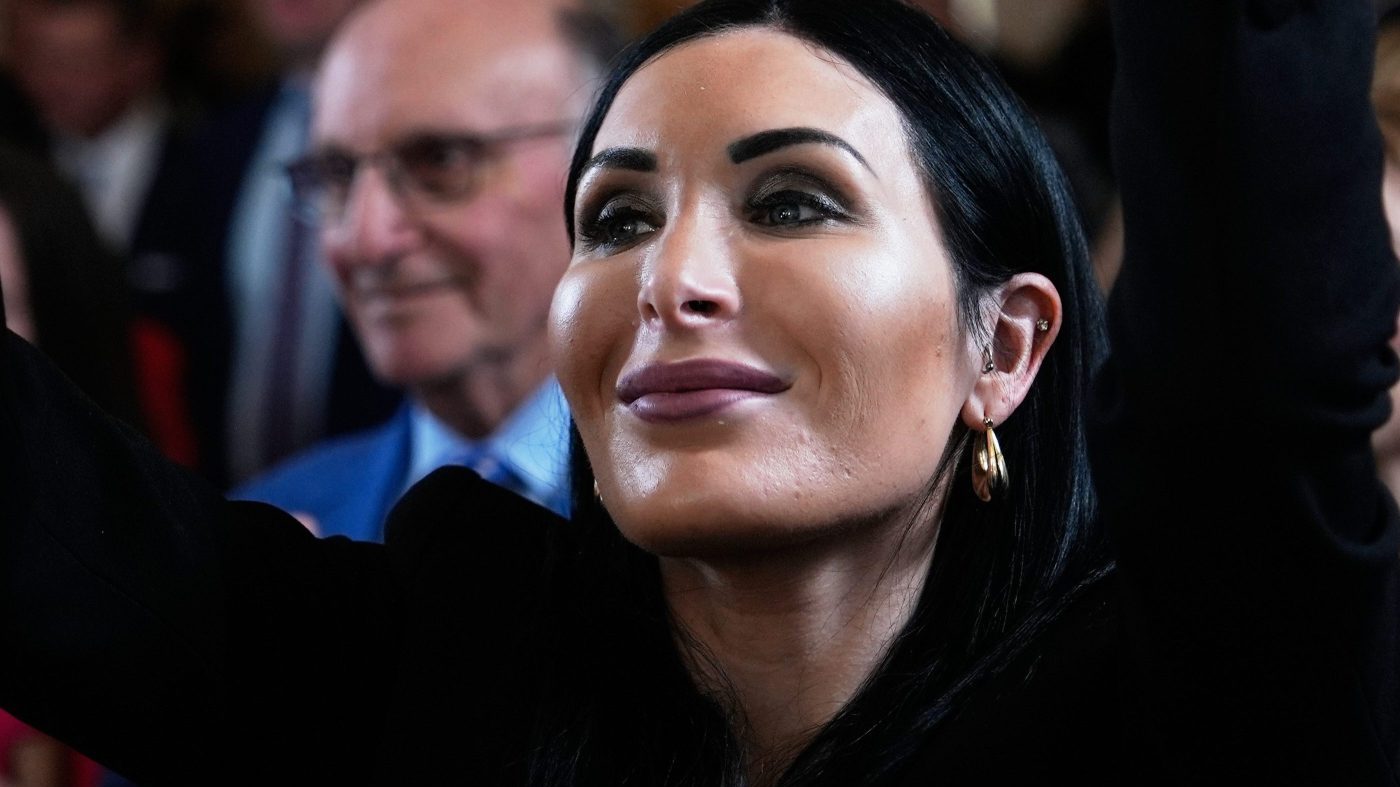
Prominent conservative activist Laura Loomer launched a sustained critique of the temporary ceasefire agreement between the United States and Iran, characterizing the diplomatic breakthrough as fundamentally detrimental to American interests. In a series of social media posts following President Trump's announcement of a two-week pause in escalating military strikes, Loomer framed the negotiations themselves as "a negative for our country."
"We didn't really get anything out of it and the terrorists in Iran are celebrating," Loomer wrote on platform X, setting the tone for her broader argument that the agreement represents a strategic misstep. She further predicted the fragile truce "will fail" and that President Trump would ultimately be "proven right" in his assertion that the Iranian regime requires decisive action.
Details of the Agreement Remain Unclear
The ceasefire, mediated by Pakistan and announced just hours before a U.S. deadline for Iran to reopen the Strait of Hormuz, contains several ambiguous provisions. While President Trump stated early Wednesday that Iran would cease uranium enrichment and cooperate with the U.S. to "dig up and remove" buried nuclear materials, these claims lack official confirmation from Tehran. The status of Iran's broader nuclear and missile programs within the agreement remains publicly undefined.
A particularly contentious element involves the Strait of Hormuz. Iranian officials indicated the deal would formalize plans to charge fees for ships transiting the critical waterway, which handles approximately one-fifth of global oil shipments daily. President Trump later suggested to ABC News that the U.S. was considering a joint venture with Iran to establish a toll system, framing it as a path to securing the strategic chokepoint.
Loomer Warns of Long-Term Consequences
Loomer expressed grave concerns about the potential financial mechanisms, warning that toll revenue could "pad their bank accounts" and fund "terrorism for decades to come." She argued the agreement dangerously legitimizes the Iranian government. "The negotiation has been a failure so those who are celebrating while undermining Trump are misguided," she added. "This isn't anything to write home about."
Her stark warning extended to regional security: "The second Trump is gone, they will build a nuclear weapon and attack the US and Israel. Negotiating with terrorists only makes them stronger. Sadly, I think the US is going to learn the hard way." This pessimistic assessment directly contradicts the triumphant messaging from Trump administration officials. Defense Secretary Pete Hegseth has labeled the deal a 'decisive victory' over Iran, while President Trump himself told Agence France-Presse, "Total and complete victory. 100 percent. No question about it."
Regional Violence Undermines Truce Announcement
The ceasefire's fragility was immediately tested by continued regional violence. Hours after the announcement, Saudi Arabia, Kuwait, and Bahrain issued alerts for potential threats. More significantly, Israel executed what it described as its largest strikes against Iran-backed Hezbollah in Lebanon since the conflict began in late February. This action highlighted a critical ambiguity: while Pakistani mediators suggested Lebanon was included in the truce, Israeli officials explicitly stated it was not.
Loomer seized on these developments as evidence of the agreement's inherent weakness. "Luckily President Trump wasn't in charge of the negotiations," she wrote, suggesting the deal was flawed from inception. "That's what we all need to remember when the ceasefire that isn't a ceasefire fails and Americans are attacked and killed by Iranian proxies." Her commentary reflects a growing debate within conservative circles about the wisdom of diplomacy with Tehran, even as the administration celebrates the temporary de-escalation and financial markets react to the reduced immediate risk.