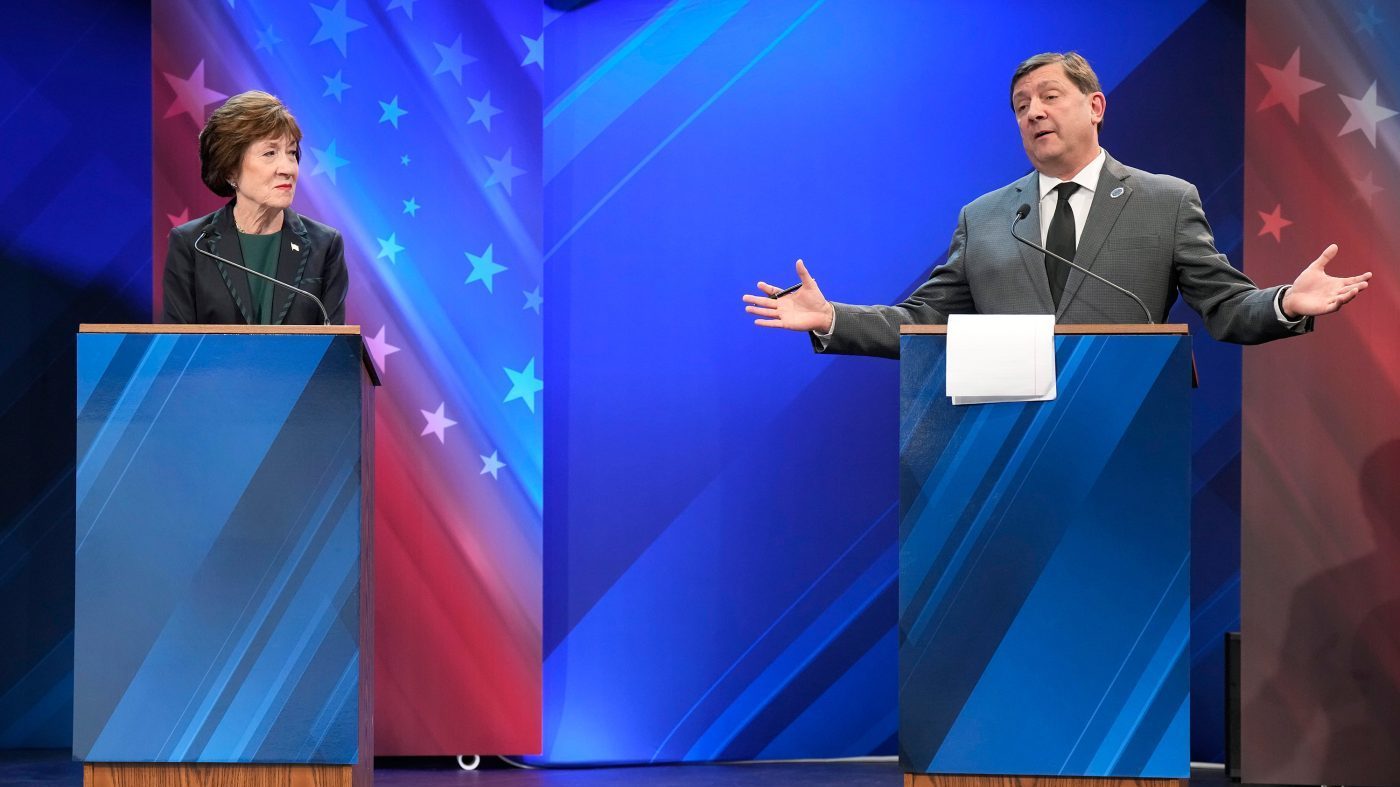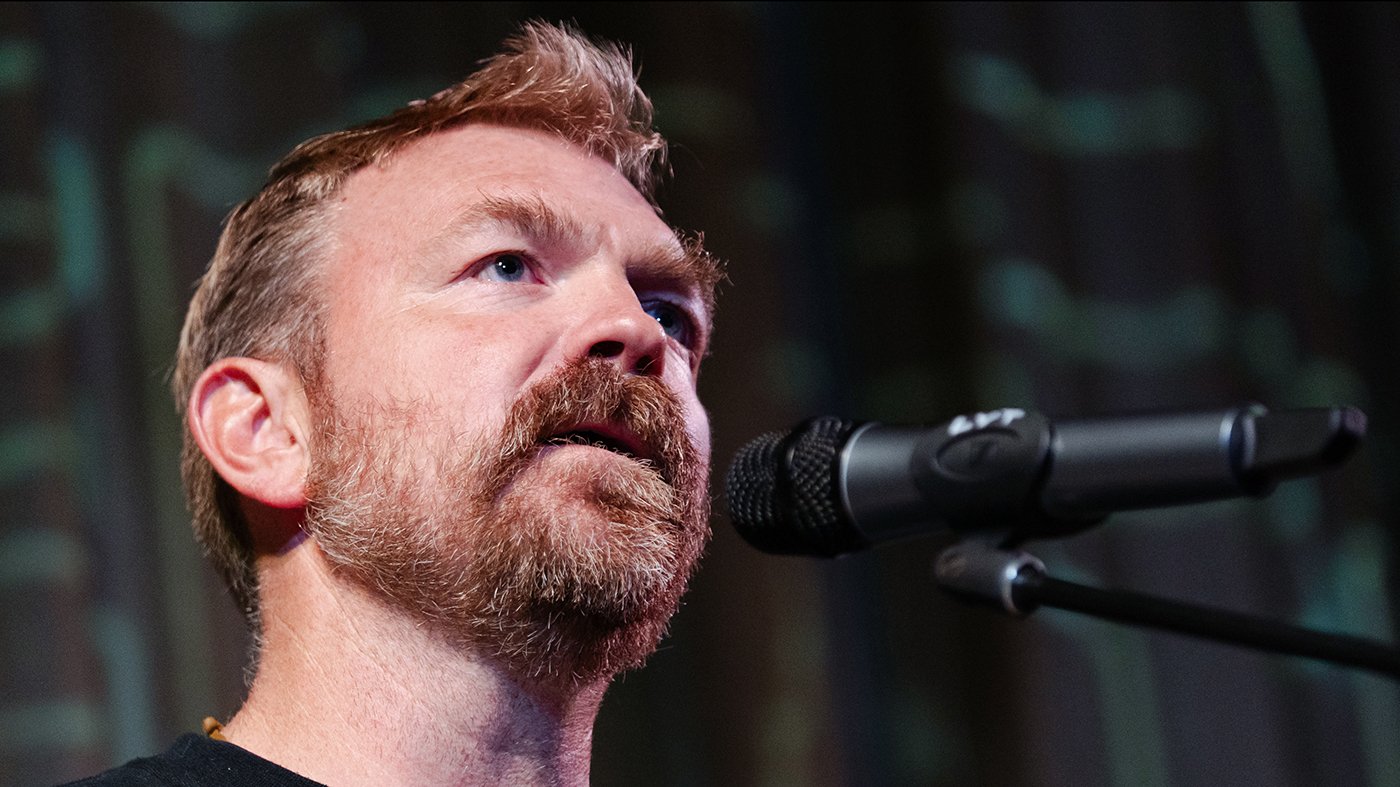
Democrats are consolidating support behind Graham Platner, a progressive oyster farmer and political outsider, following Governor Janet Mills' decision to suspend her Senate campaign on Thursday. The move leaves Platner as the likely Democratic nominee to take on incumbent Republican Senator Susan Collins in what is expected to be one of the most competitive races this fall.
Mills, 78 and term-limited as governor, entered the race late last year as a top recruit of Senate Minority Leader Chuck Schumer. But her campaign struggled to gain momentum in polling and fundraising, while Platner surged ahead despite controversies surrounding his past social media posts and a tattoo. In a statement Thursday, Mills said she lacked the “financial resources” needed to compete, though she did not endorse Platner.

Schumer and the Democratic Senatorial Campaign Committee quickly got behind Platner, joining progressive figures like Senator Elizabeth Warren and Senator Bernie Sanders, as well as nearly two dozen state legislators who endorsed him Thursday. The unified front reflects growing Democratic optimism about flipping the seat. “The base couldn’t have spoken more clearly,” said Democratic strategist Christy Setzer. “Candidates and electeds who act like we’re living in normal times won’t fare well. We’re not interested in so-called ‘establishment’ candidates who are bringing a butter knife to that fight.”
Democratic strategist Anthony Coley echoed that sentiment, saying, “The electorate is restless, angry, and looking for fighters who don’t fit the traditional mold — because the traditional mold isn’t working for them.”
Mills' exit highlights a broader party shift toward outsider candidates. Platner, 41, emerged alongside other political newcomers like Zohran Mamdani, now mayor of New York City, and Texas Democrat James Talarico. According to Jim Melcher, a political science professor at the University of Maine at Farmington, Mills was seen as a Schumer-backed establishment figure, which hurt her with younger voters. “The age was a huge issue for her,” Melcher said. “Age is kind of a proxy for: ‘We want something different. We want something more combative.’”
Setzer also noted that Mills alienated primary voters with her stance on Israel defense funding. “That’s just not where the party is,” she said. “Not surprised her fundraising showed it.” The governor had trailed Platner by 30 points in Decision Desk HQ polling averages of the Democratic primary.
Platner praised Mills on Thursday and said he looked forward to working with her to flip the seat. “The race has never been about me or really about one person, it’s about a movement of working Mainers who are fed up with being robbed by billionaires and the politicians who own them,” he said at a press conference. Platner's campaign has faced scrutiny over now-deleted posts in which he called police “bastards” and described rural white Americans as racist and stupid, as well as a now-covered tattoo associated with a Nazi symbol. He has expressed regret for the posts and said he was unaware of the tattoo's meaning at the time.
With Mills out, Platner is all but certain to win the June 9 primary and face Collins in the general election. The race is rated a “toss-up” by the Cook Political Report and is one of three Senate seats Democrats must flip to regain control of the chamber. Collins won her 2020 reelection by nearly 10 points while Donald Trump lost Maine by a similar margin. In 2024, Trump lost the state again by roughly 7 points. General election polling shows Platner leading Collins by 6 points, while Mills was effectively tied with the incumbent.
Republicans remain confident Collins can hold the seat, pointing to Platner's controversies. But Democrats see the race as a key pickup opportunity. For more on the dynamics of the race, see Platner's vow to 'tear down the system' and Mills' exit citing financial shortfall.