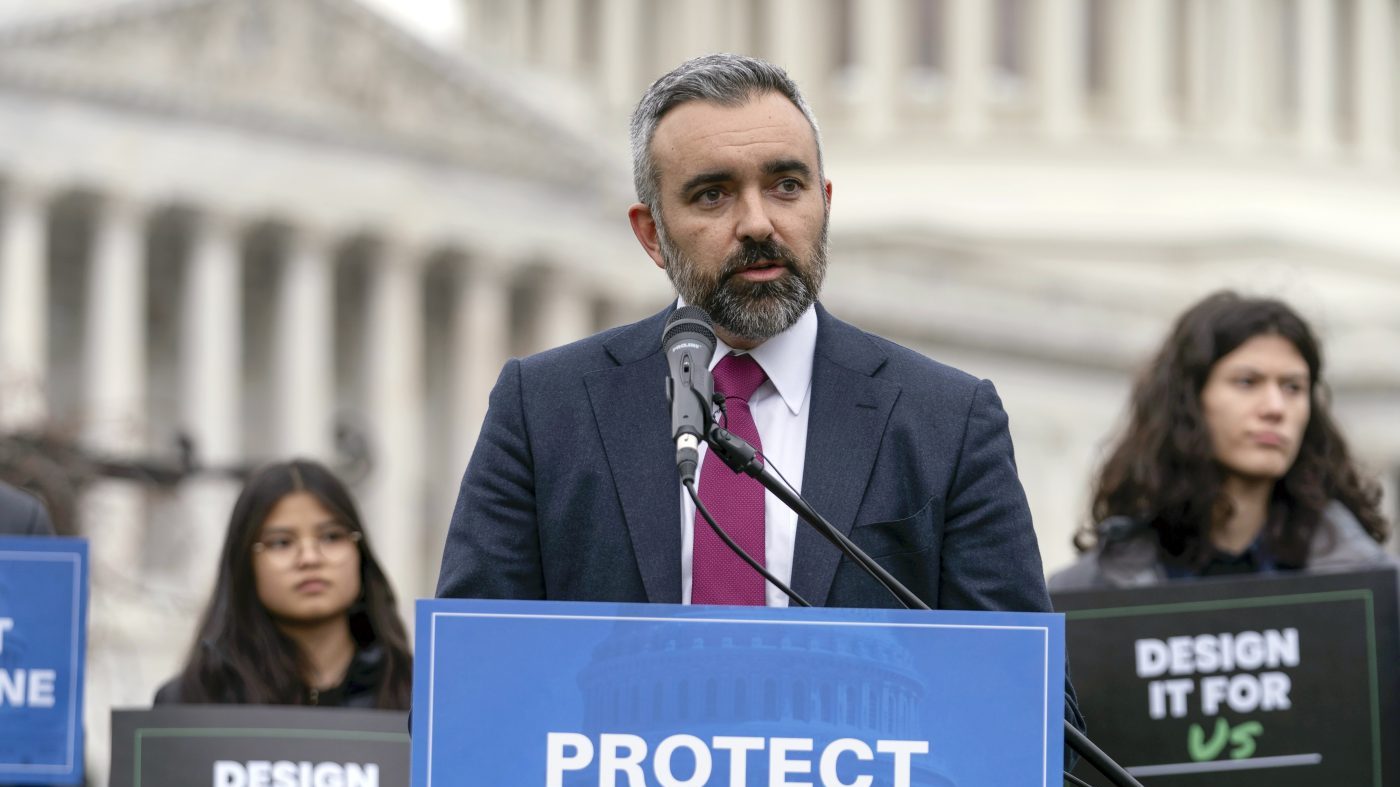
New Mexico Attorney General Raul Torrez on Thursday accused Meta of staging a public relations stunt after the company threatened to pull its social media platforms from the state in response to a landmark jury verdict. The confrontation escalates a legal battle over child safety that has drawn national attention.
In a court filing reported by The Hill, Meta argued that the state's demands are “in many cases technologically impractical or completely impossible,” claiming they would force the company to build apps tailored specifically to New Mexico. The parent company of Instagram and Facebook warned that if a workable solution is not reached, it may have “no choice but to remove access to its platforms for users in New Mexico entirely.”
The threat follows a jury ruling last month that found Meta liable for violating New Mexico’s Unfair Practices Act by compromising children's safety online. The company was ordered to pay $375 million in damages. The state attorney general’s office has since proposed a set of protective measures for users under 18, which will be considered by a judge in a bench trial starting May 4.
Torrez did not mince words in his response. “Meta’s refusal to follow the laws that protect our kids tells you everything you need to know about this company and the character of its leaders,” he said. He accused the tech giant of “showing the world how little it cares about child safety.”
Meta pushed back through a spokesperson, who argued that the state is unfairly singling out one platform. “In targeting a single platform, the State ignores the hundreds of other apps teens use, leaving parents without the comprehensive support they actually deserve,” the spokesperson said.
The company’s filing detailed several state requests it deems unrealistic, including a demand to “detect at least 99 percent of all new CSAM” and implement an age verification system with 99 percent accuracy. Meta called these technical impossibilities. The state also demanded the elimination of the infinite scroll feature, which Meta described as a “foundational aspect” of its platforms.
“The State makes no effort to show that any benefits of these burdensome efforts outweigh the expense and difficulty,” Meta’s filing stated, arguing that many demands would “not improve safety or will make it worse.” The company also claimed that limiting access to its apps could leave teens unable to communicate with their parents.
Torrez countered that Meta has the capacity to make the changes, pointing to the company’s history of rewriting its own rules and redesigning products to preserve market access. “For years the company has rewritten its own rules, redesigned its products and even bent to the demands of dictators to preserve market access,” he said. “This is not about technological capability.”
The standoff in New Mexico is part of a broader trend of state attorneys general taking the lead on tech accountability as federal action stalls. State AGs are increasingly cracking down on tech giants over child safety while Congress remains deadlocked on comprehensive legislation.
The bench trial is scheduled to begin May 4, and the outcome could set a precedent for how states regulate social media platforms. Meanwhile, other political battles are unfolding in Washington, including Trump's selection of Fox News contributor Nicole Saphier as his surgeon general pick, a move that has sparked its own controversy.