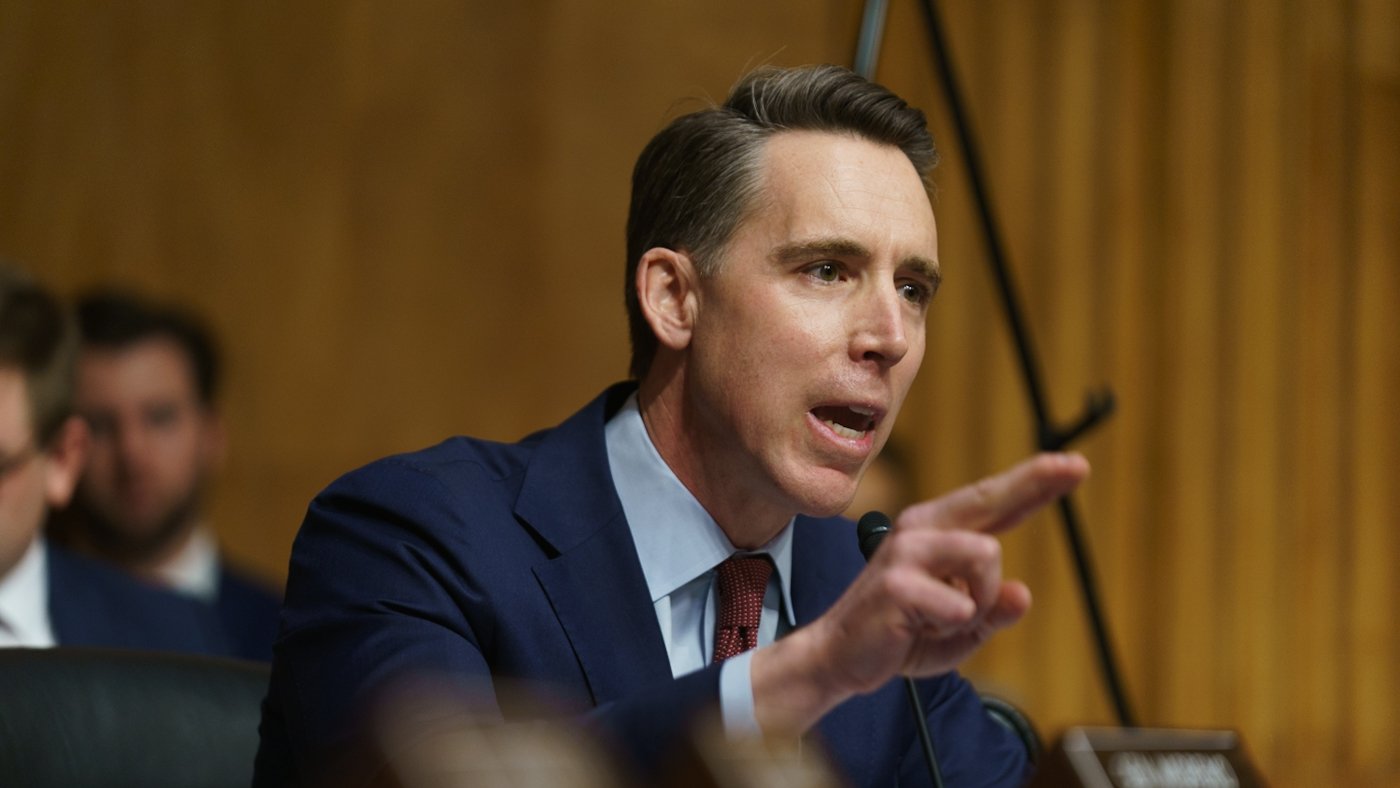
The Senate Judiciary Committee voted unanimously on Thursday to advance legislation aimed at restricting minors' access to artificial intelligence companions and preventing AI chatbots from exposing children to sexual or harmful material. The bipartisan bill, known as the Guidelines for User Age-verification and Responsible Dialogue (GUARD) Act, was introduced by Senators Josh Hawley (R-Mo.) and Richard Blumenthal (D-Conn.).
The GUARD Act would prohibit AI companions—defined as chatbots designed to simulate interpersonal or emotional interactions, friendships, or therapeutic communication—for users under 18. It would also require these systems to disclose their "non-human status and lack of professional credentials" to all users.
Under the bill, companies that "knowingly" make AI chatbots available to minors that "solicit or produce sexual content" would face new criminal penalties, according to Hawley's office. To enforce these restrictions, the legislation proposes age-verification measures such as government ID checks or "any other commercially reasonable method that can reliably" determine if a user is an adult.
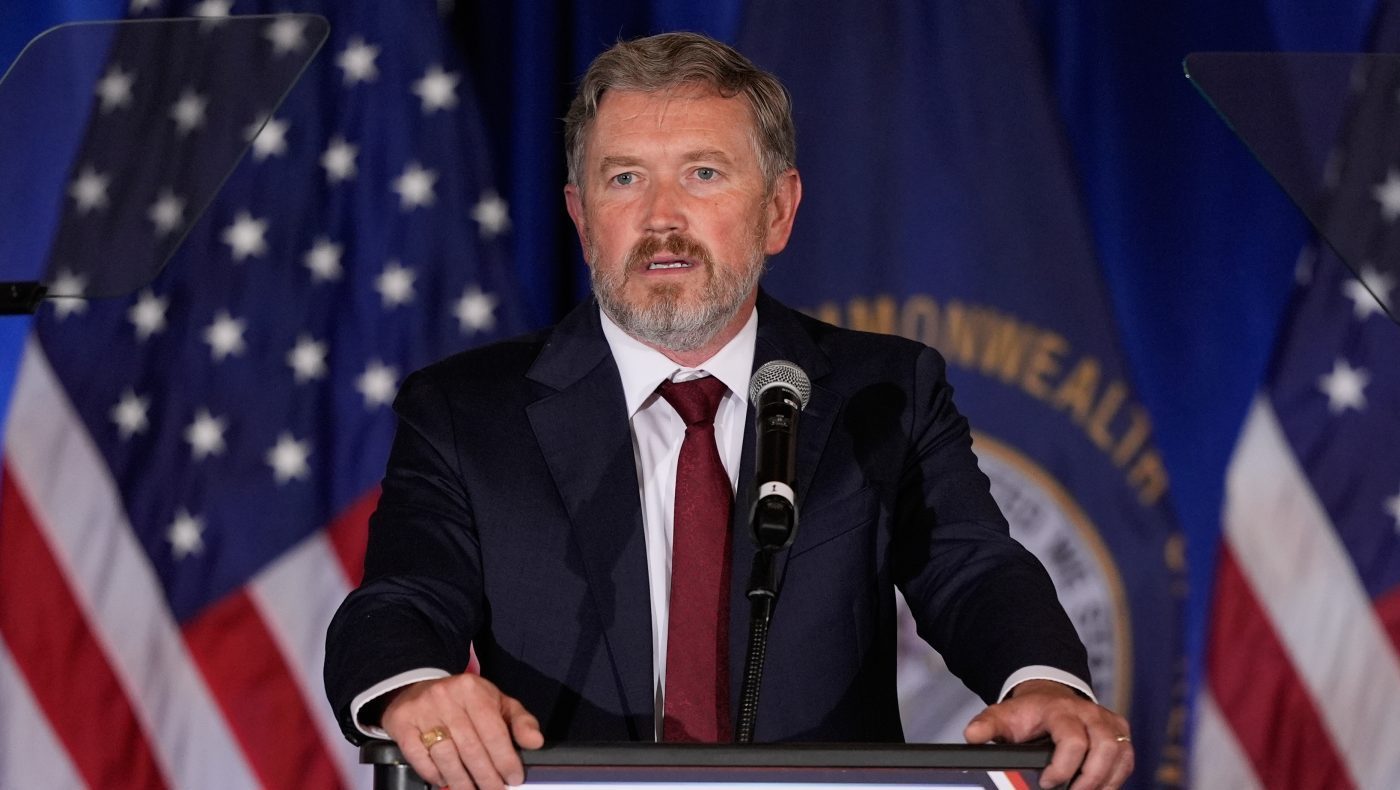
The bill has drawn support from over a dozen lawmakers on both sides of the aisle, though privacy concerns have emerged. In the House, Representatives Blake Moore (R-Utah) and Valerie Foushee (D-N.C.) introduced a companion measure on Thursday.
Hawley framed the bill as a necessary step to hold AI companies accountable. "Right now, these companies—the most powerful companies, the richest companies in the world, in the history of the world—are able to get by with it without the most modicum of accountability. Not any accountability whatsoever," he said. He cited the experiences of three children who died by suicide after interacting with AI chatbots, with parents of affected children attending the committee markup.
While the bill passed easily, some senators raised concerns about the age-verification component. Senator Alex Padilla (D-Calif.) voted yes but noted "potential privacy and security risks" that may need to be "fine-tuned." Senator Ted Cruz (R-Texas) also supported the bill but called for "some revisions," questioning whether it would ban all AI chatbots for minors. Hawley clarified that the bill does not impose a blanket ban but rather "prevents AI chatbots that engage with minors from pushing sexually explicit material to the minor" or encouraging self-harm or suicide.
Free speech and privacy groups have criticized the measure. Ashkhen Kazaryan, senior legal fellow at The Future for Free Speech, argued that "by mandating government ID or equivalent age verification for any American who wishes to interact with an AI chatbot, the bill burdens the speech and associational rights of every adult, not just minors." Jibran Ludwig, policy strategist at Fight for the Future, called the GUARD Act "a Trojan horse for universal online ID checks."
Child safety advocates, however, praised the committee's action. Haley McNamara, executive director of the National Center on Sexual Exploitation, said "the time to 'just trust' AI chatbots with our kids is over" and that the bill "has the sharp teeth needed to deal with rising AI exploitation." Sacha Haworth, executive director of The Tech Oversight Project, highlighted the bill's "first-of-its-kind non-human disclosures" as a measure that "would help protect vulnerable people of all ages and backgrounds from Big Tech's dangerously designed products."
The bill now moves to the full Senate for consideration. The debate over age verification continues to divide lawmakers, with implications for online privacy and security. For context, the Senate recently voted to ban members from prediction market trading, and the House Rules Panel advanced a suite of major bills in a marathon session. The GUARD Act represents a significant bipartisan effort to regulate AI in the context of child safety, but its path forward may require further adjustments to address privacy and free speech concerns.