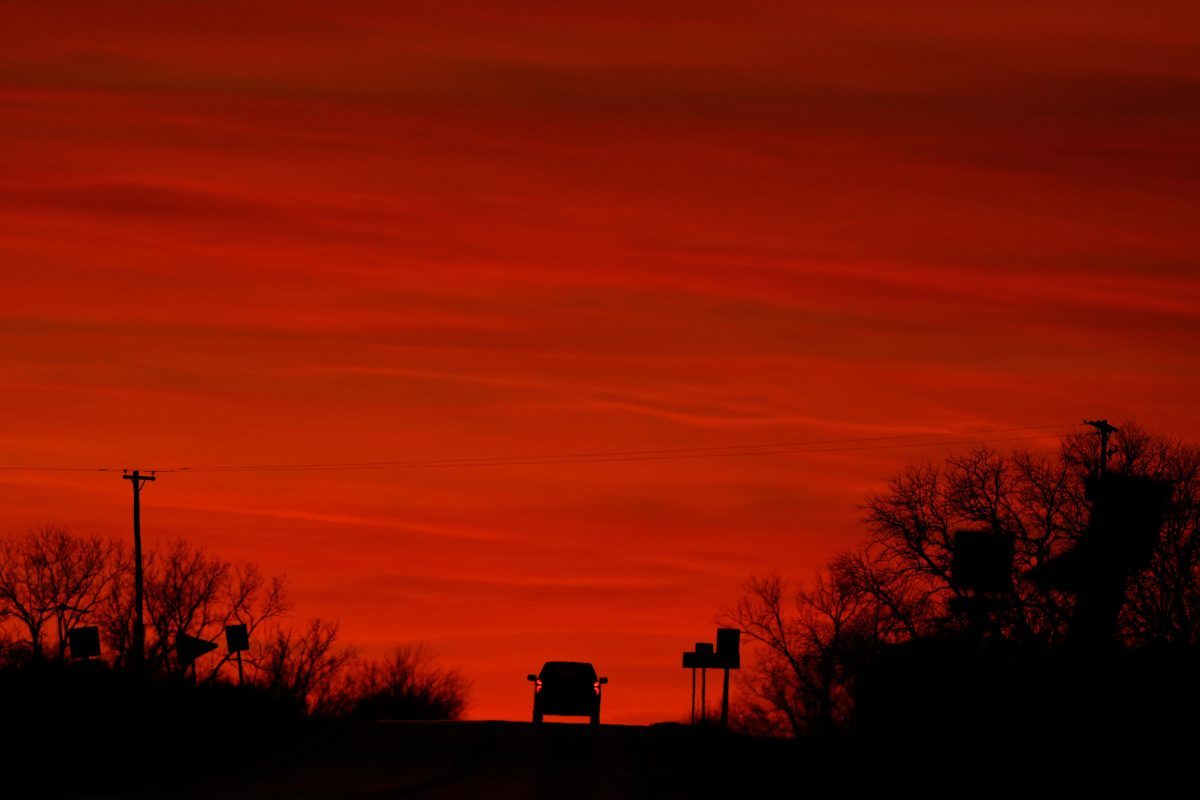
As the calendar flips to November, Americans are bracing for a noticeable reduction in daylight, a shift driven both by the end of daylight saving time and the natural progression of the Earth's orbit. The most immediate change comes this Sunday, when clocks fall back one hour, marking the return to standard time and ushering in a stretch of early sunsets that will persist until February.
The end of daylight saving time is a perennial political topic, with debates in Congress over whether to make it permanent. This year, however, efforts to change the status quo have stalled, as lawmakers have failed to advance legislation that would keep the clocks forward year-round. Meanwhile, resistance in the Senate has grown, particularly over concerns about school schedules and children traveling in darkness.

But even if Congress had acted, the shortening days are not solely a product of policy. The Earth's axial tilt and its orbit around the sun mean that as the Northern Hemisphere tilts away from the sun, daylight hours naturally decrease. This is most pronounced in November, when the pace of daylight loss accelerates in many regions.
For example, in New York City, the sun will set at 5:59 p.m. on November 1, but by the end of the month, sunset will be at 4:29 p.m. That's a loss of nearly 90 minutes of evening daylight. In Los Angeles, the shift is similar: from 5:58 p.m. to 4:44 p.m., a loss of over an hour. In Chicago, the sun will set at 5:43 p.m. on November 1 and by November 30, it will be 4:20 p.m., a drop of 83 minutes.
The impact is even more dramatic in northern states. In Seattle, the sun sets at 5:51 p.m. on November 1, but by the end of the month, it will be 4:17 p.m., a loss of 94 minutes. In Minneapolis, the loss is 92 minutes, with sunset moving from 5:51 p.m. to 4:29 p.m. The trend is reversed in the South: Miami's sunset goes from 6:40 p.m. to 5:31 p.m., a loss of 69 minutes, while Honolulu sees a more modest decline of 45 minutes, from 6:06 p.m. to 5:21 p.m.
These changes are also accompanied by later sunrises, as standard time shifts daylight to the morning. On November 1, the sun rises at 7:29 a.m. in New York, but by November 30, it rises at 7:01 a.m., actually earlier, due to the Earth's orbital position. However, the overall daylight hours continue to shrink, with the shortest day of the year arriving at the winter solstice in December.
For those who dislike the early darkness, there is a glimmer of hope: the trend reverses after the solstice, and by late January, sunsets begin to creep later again. But for now, the November slide is a reminder of the season's shift, and a topic that continues to generate political heat, with lawmakers repeatedly dodging a permanent solution.
In the meantime, communities are adapting. Some schools have adjusted start times, and public safety officials urge caution for evening commuters. As the debate over daylight saving time continues, the practical effects of November's shorter days remain a shared experience for millions.