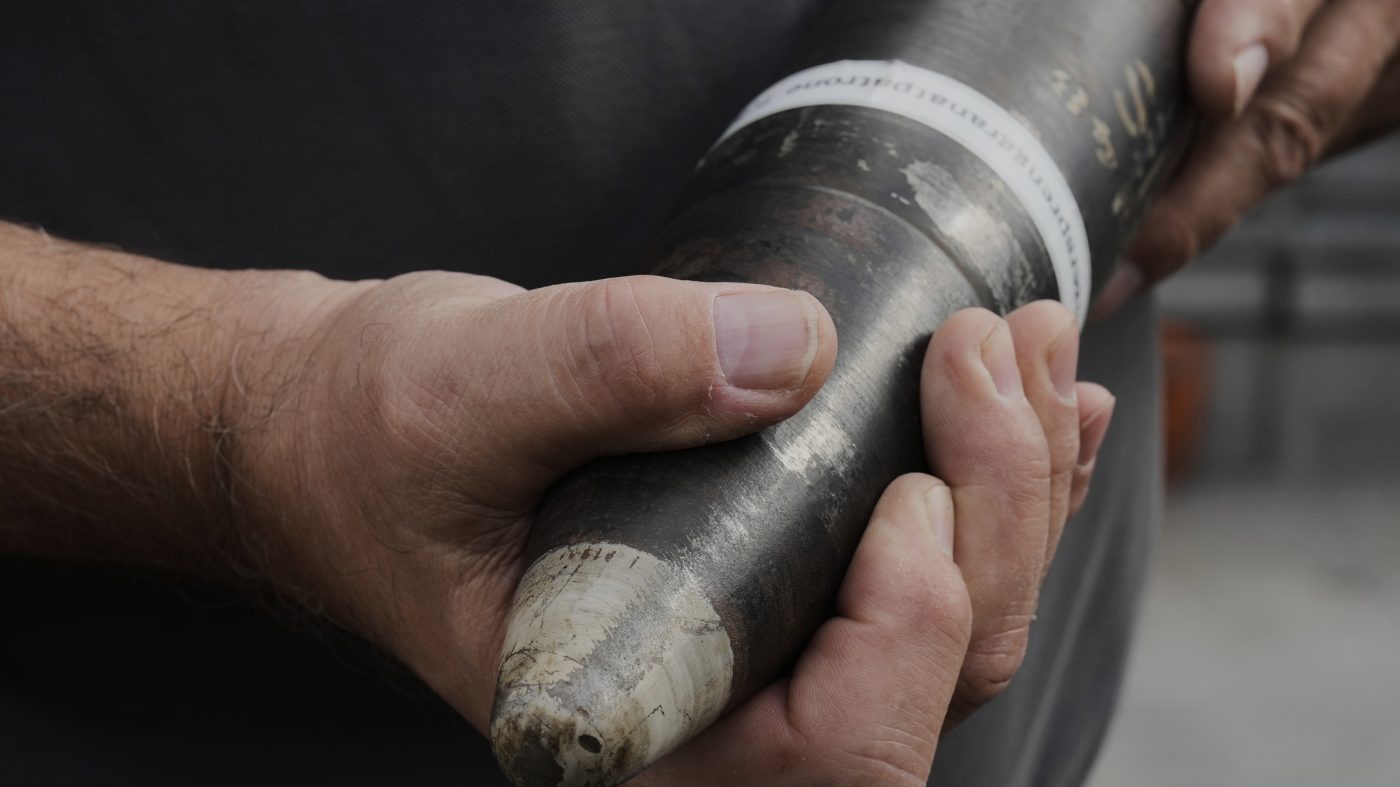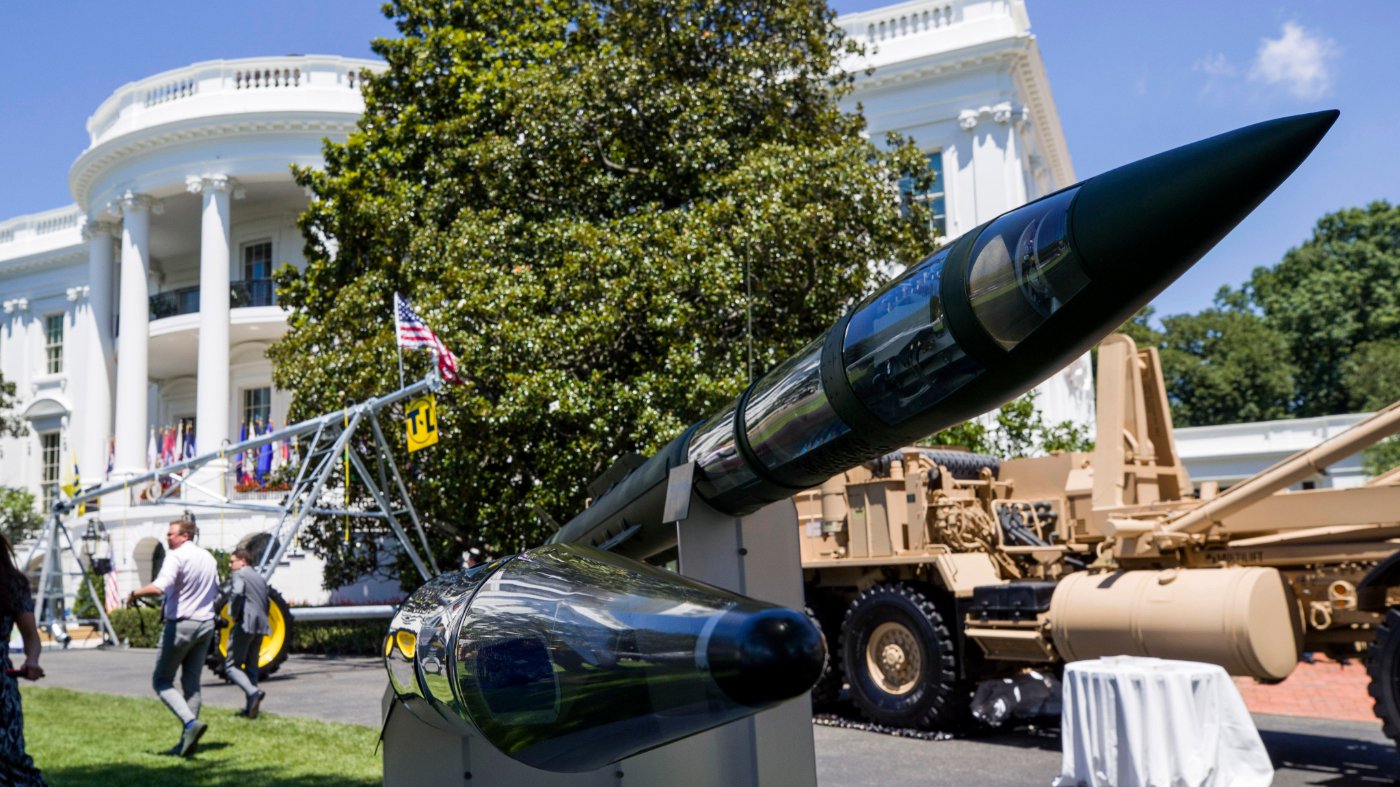
The Pentagon has inked a seven-year deal with Lockheed Martin valued at up to $35 billion to accelerate production of Terminal High Altitude Area Defense (THAAD) interceptors, a move aimed at rebuilding U.S. missile inventories that were heavily drained during the Iran war. The contract, announced Wednesday by the Missile Defense Agency (MDA), includes an initial payment of $842.9 million to the defense giant.
THAAD interceptors, which can neutralize ballistic missiles outside the Earth's atmosphere, cost over $12 million per unit to manufacture. The system saw extensive use in combat operations against Iran, contributing to significant stockpile depletion. The deal is part of a broader Pentagon push to shore up ammunition reserves as geopolitical tensions persist.

The award coincides with President Trump's meeting at the White House with the CEOs of Lockheed Martin, Boeing, and Honeywell. The gathering was designed to pressure defense contractors to expedite weapons production, following the Iran war's heavy toll on advanced munitions like THAAD and Patriot missiles. The administration has made replenishing U.S. arsenals a top priority.
This contract follows a $4.7 billion agreement with Lockheed in April to boost Patriot missile output. However, both contracts are classified as "undefinitized," meaning they cannot receive full funding until Congress approves the necessary budget. Once lawmakers sign off, Lockheed will finalize the terms.
In a separate notice, the MDA also awarded Raytheon a $398.7 million contract for Advanced Medium Range Air-to-Air Missiles, signaling a broader effort to restock multiple missile types across the military.
The Pentagon's focus on replenishing THAAD interceptors comes amid ongoing negotiations over a potential Iran deal, which Trump has warned is preliminary and could collapse if Tehran misbehaves. The president has also threatened airstrikes if Iran does not comply with the terms, linking defense readiness directly to the diplomatic process.
Lockheed Martin's THAAD production ramp-up is a key component of the U.S. strategy to maintain missile defense capabilities while also supporting allies in the Middle East and beyond. The contract underscores the Pentagon's commitment to ensuring that the military's most advanced systems are fully stocked for future contingencies.