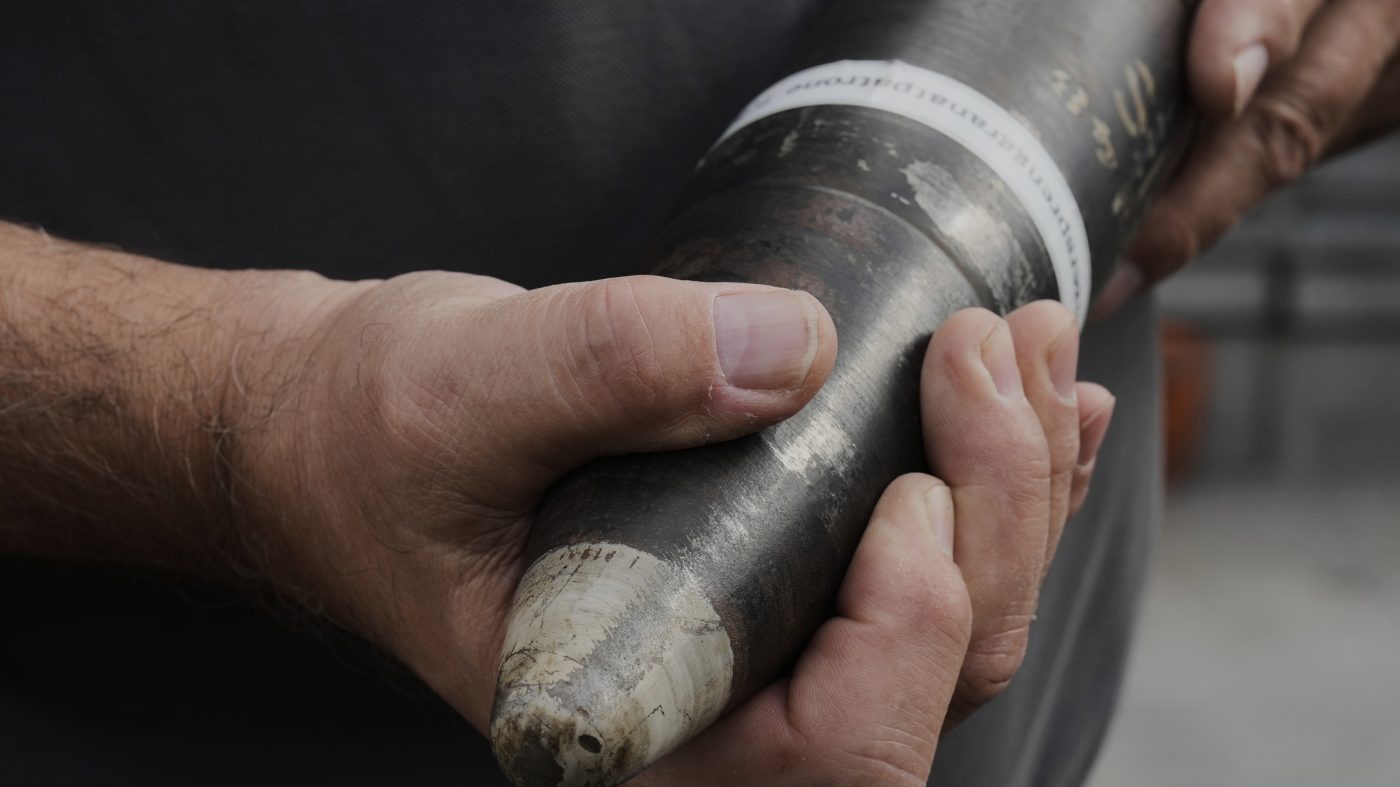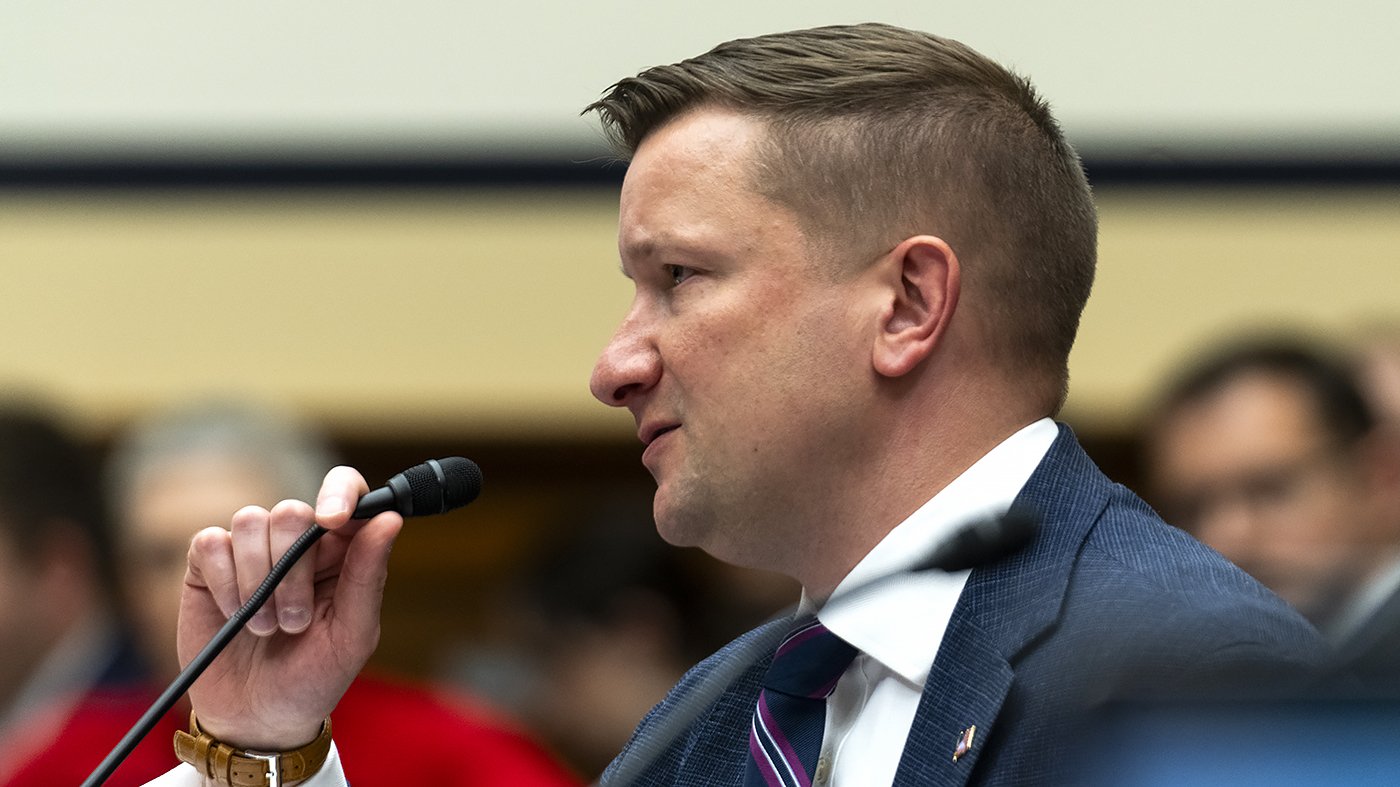
The Pentagon's top budget official disclosed Wednesday that the U.S. military campaign against Iran has already burned through $25 billion, with the vast majority of that sum going toward ammunition. The figure, provided during a House Armed Services Committee hearing, marks the first official price tag for the conflict, which has raised questions about the sustainability of U.S. military readiness.
Jules Hurst III, the acting chief financial officer for the Defense Department, told lawmakers that Operation Epic Fury has consumed roughly $25 billion to date. "Most of that is ammunitions," he said in response to a query from Rep. Adam Smith (D-Wash.), the committee's ranking member. The exchange came during a hearing on the Pentagon's $1.5 trillion budget request, a figure that dwarfs previous spending levels and has sparked debate over fiscal priorities.

Hurst indicated that the administration is still assessing the full financial toll of the conflict. "We will formulate a supplemental through the White House that will come to Congress once we have a full assessment of the cost of the conflict," he said, signaling that additional funding requests are likely. The statement underscores the ongoing strain on Pentagon resources, as the military has drawn heavily on key munitions like Tomahawk cruise missiles and Patriot interceptor systems.
Smith expressed frustration that the Pentagon had not previously provided a clear cost estimate. "I'm glad you answered that question, because we've been asking for a hell of a long time, and no one's given us the number," Smith said, pressing Hurst to deliver detailed data to the committee. "So if you could get those details over to us, that would be great."
The $25 billion figure aligns with earlier estimates. In March, Pentagon officials told lawmakers in a closed-door briefing that the first six days of combat operations alone cost more than $11.3 billion. A recent analysis from the American Enterprise Institute, a conservative think tank, projected the total cost of the war at between $25 billion and $35 billion, suggesting the current tally could rise further as operations continue.
The disclosure comes amid broader scrutiny of Pentagon spending and management. Lawmakers have also raised concerns about the military's stockpile of precision-guided weapons, which have been depleted at an alarming rate. The conflict has exposed vulnerabilities in the U.S. defense industrial base, with some officials warning that replenishing munitions could take years and cost billions more.
In a related development, GOP lawmakers are set to grill Defense Secretary Pete Hegseth in dual hearings over the Iran war and recent Pentagon personnel changes. Meanwhile, the Pentagon has faced criticism for its handling of other financial matters, including a dispute over $400 million in Ukraine military aid that Senate Minority Leader Mitch McConnell blasted as being hoarded by the department.
The war's cost also raises broader policy questions. With the Pentagon seeking a record budget, some analysts argue that the conflict's expenses could squeeze funding for other priorities, such as modernization and readiness. The administration has yet to outline a long-term strategy for the campaign, leaving lawmakers and the public in the dark about the ultimate price tag.
As the conflict grinds on, the Pentagon's reliance on expensive munitions is likely to keep costs elevated. The $25 billion figure, while significant, may only be the beginning of a prolonged and costly engagement.