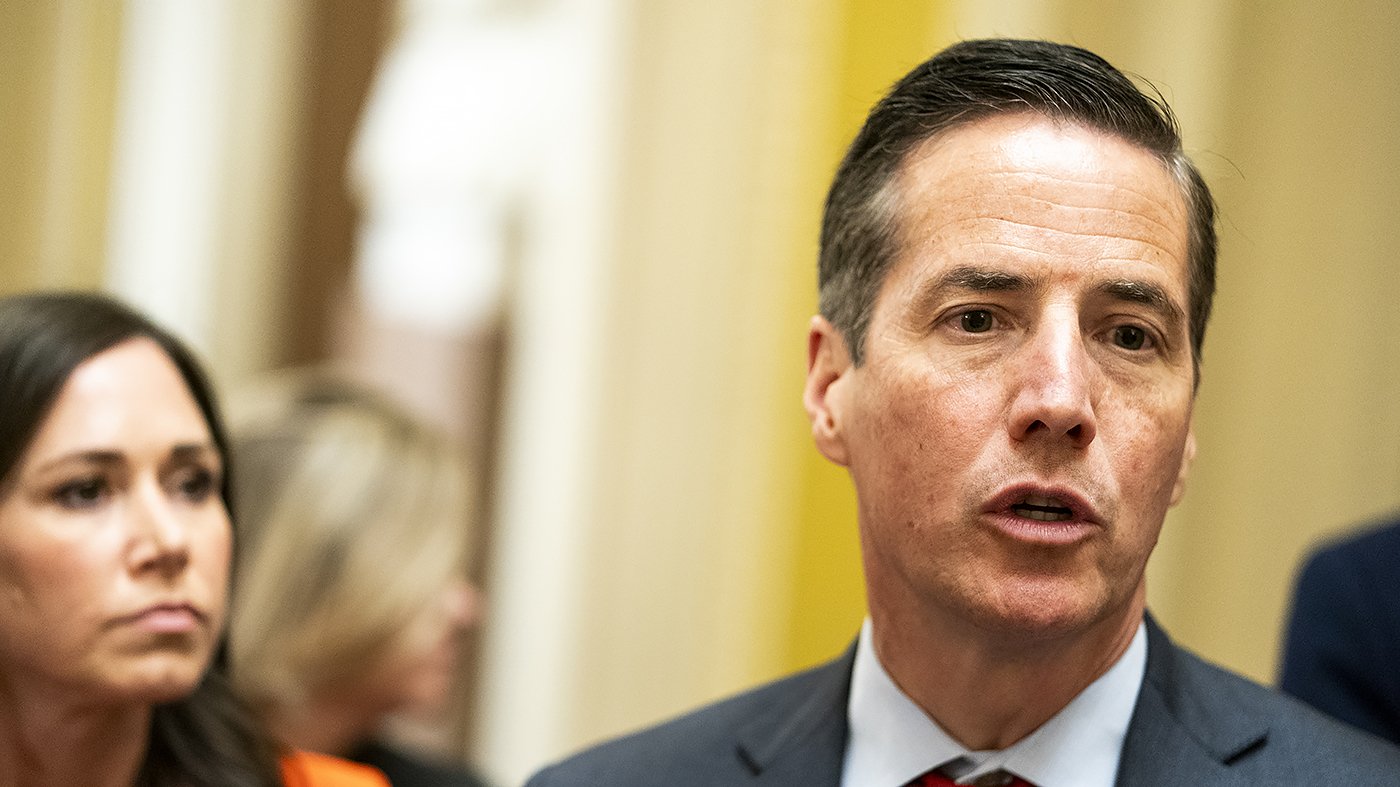
The Senate voted unanimously Thursday to bar its members from trading on prediction markets, a move driven by mounting worries that lawmakers could exploit nonpublic information for financial gain on these platforms.
Introduced by Senator Bernie Moreno (R-Ohio), the resolution amends chamber rules to forbid senators from entering into any agreement or transaction that involves payment based on the outcome of an event. Prediction markets, such as Kalshi and Polymarket, allow users to wager on everything from elections to economic indicators.
“Proud to say my bill to ban members of Congress from insider trading on prediction markets just passed the Senate UNANIMOUSLY!” Moreno wrote on X. “Serving in Congress is an honor, not a side hustle. Americans deserve to know that their leaders are here for the right reason!”
The resolution gained urgency after the Department of Justice charged Army soldier Gannon Ken Van Dyke last week with using classified information about a planned operation to capture Venezuelan President Nicolás Maduro to place bets on Polymarket. Van Dyke allegedly wagered $33,000 on markets tied to the military mission and netted $400,000 in profits. He pleaded not guilty in a Manhattan court Tuesday to charges including violating the Commodity Exchange Act, wire fraud, and unlawful money transactions, facing up to 60 years in prison. For more on this case, see our coverage of the national security risks posed by prediction markets.
Both Kalshi and Polymarket publicly backed the Senate’s move. Kalshi CEO Tarek Mansour stated on X, “I applaud the Senate for passing this resolution to ban Senators and their offices from trading on prediction markets. Kalshi already proactively blocks members of congress and enforces against insider trading.” He added, “This is a great step to increase trust in our markets by making it an industry standard. Now, let’s pass this in the House!” Polymarket echoed the sentiment, saying it is “in full support of this” and noting its rules “already prohibit such conduct, but codifying this into law is a step forward for the industry.”
The Van Dyke case is not an isolated incident. Several other well-timed bets have drawn scrutiny, prompting both platforms to tighten restrictions on insider trading. Senator Todd Young (R-Ind.) and Senator Elissa Slotkin (D-Mich.) have introduced legislation to expand the ban to all federally elected officials and government employees. Young called Thursday’s resolution a “good first step” and urged the House to act. “At a minimum, we should pass my bill with @SenatorSlotkin to prohibit all federally elected officials and government employees from using insider information to bet on a prediction market contract,” he wrote on X. This bipartisan effort follows earlier proposals, such as Moreno’s initial push for a Senate ban.
The resolution signals growing bipartisan concern over the intersection of politics and financial speculation. While the Senate has moved quickly, the House has yet to take up similar legislation. With prediction markets gaining popularity, lawmakers are under pressure to ensure that public office is not used as a vehicle for private profit—a theme that resonates amid broader debates about ethics in Washington.