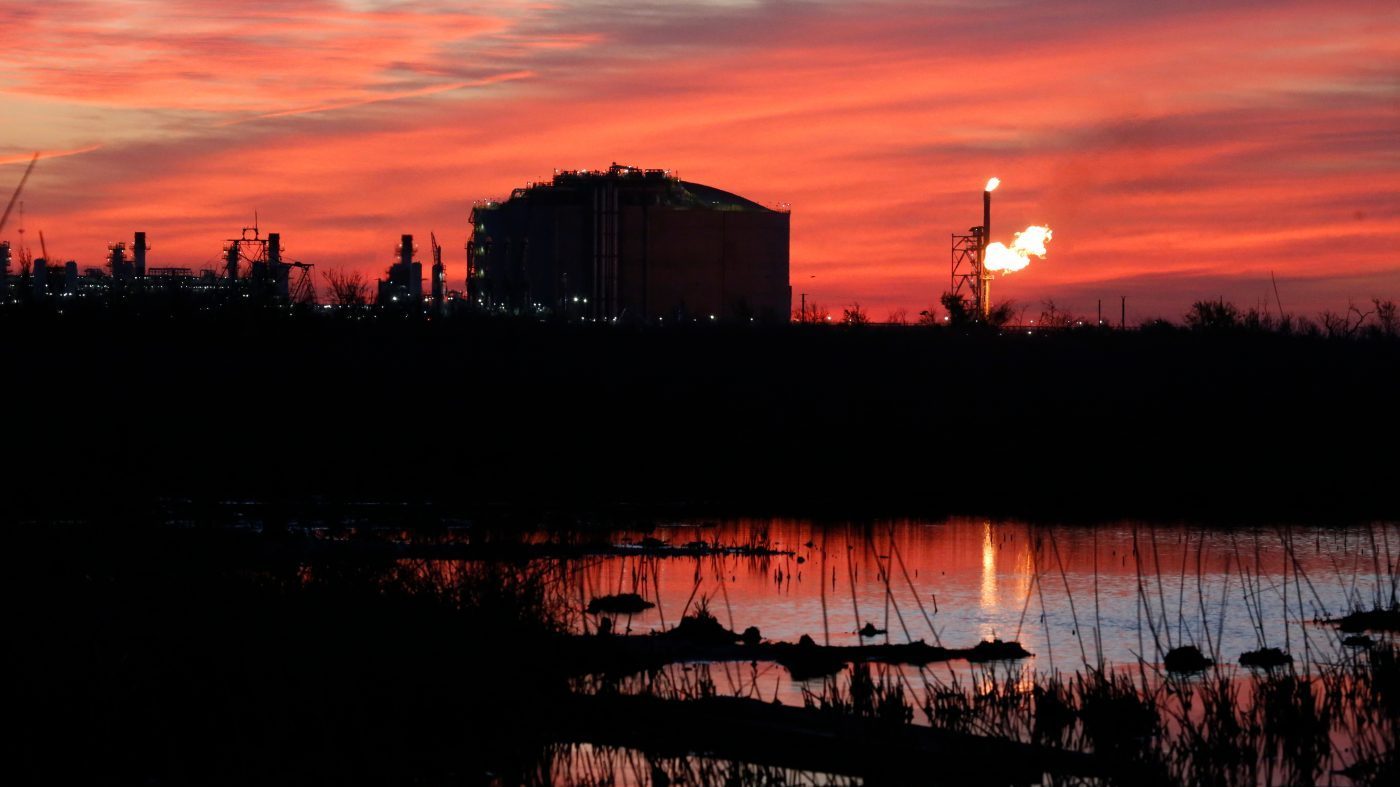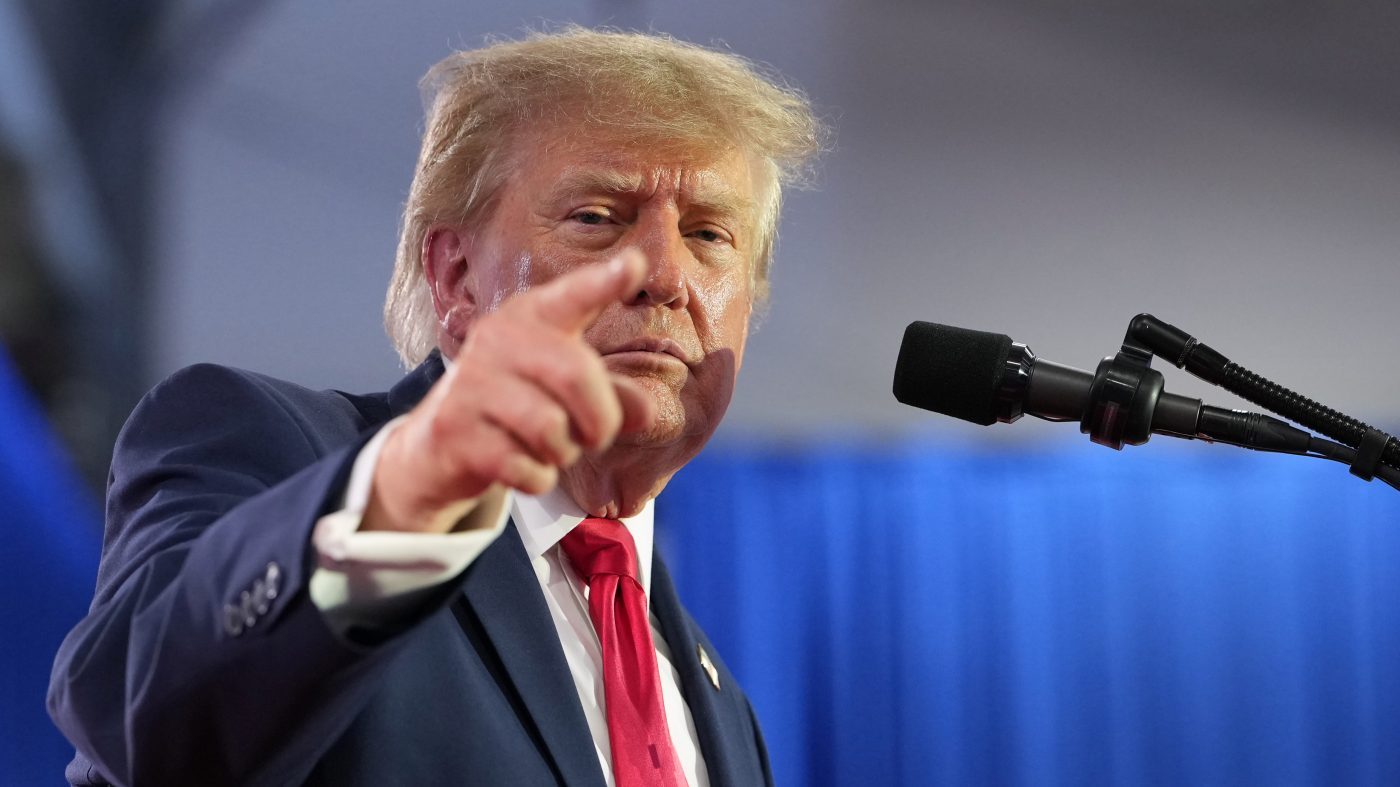
President Trump on Thursday invoked the Defense Production Act, committing $150 million to expand domestic gasoline and diesel production in an effort to lower costs at the pump. The announcement, delivered during a campaign rally in Sioux City, Iowa, came via a presidential memorandum earlier in the day, with the president detailing the spending figure before supporters.
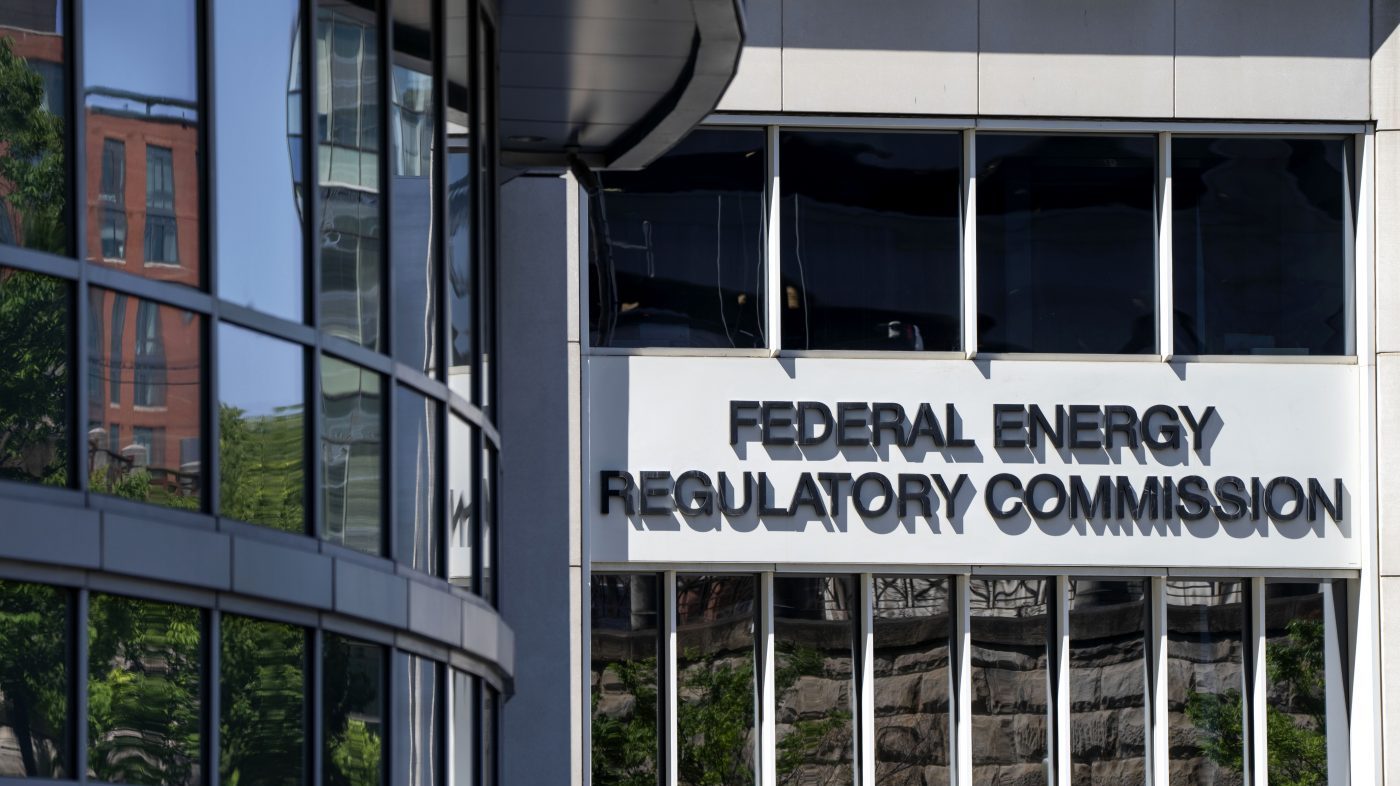
The move leverages a Cold War-era statute that grants the chief executive sweeping authority to compel resource production for national security purposes. The Department of Energy said the infusion is "expected to increase U.S. refining output by millions of gallons per day."

Trump's latest action is part of a broader push to address soaring fuel prices, which have climbed amid the U.S. military engagement with Iran. The administration has rolled out multiple measures in recent weeks, including a controversial diesel import arrangement with Russia that drew bipartisan criticism.
The president's Iowa visit was aimed at bolstering Republican candidates in tight races: Zach Lahn, running for governor, and Rep. Ashley Hinson, seeking reelection to the Senate. But the political environment is fraught, with high gas prices, Trump's lagging approval numbers, and the economic fallout from his tariff war with Canada putting traditionally GOP-leaning states in play for the midterms.
Agriculture-heavy states like Iowa, Nebraska, and Kansas are feeling the pinch acutely, grappling with elevated costs for both fuel and fertilizer. Trump earlier this week announced a separate $8 billion Harvest Fuel Relief Program in Kansas to ease diesel expenses for farmers.
The Defense Production Act expenditure is the latest in a series of executive actions aimed at stabilizing energy markets. However, critics question whether the funding is sufficient to move the needle, given the scale of refining capacity challenges. The president's reliance on emergency powers also raises concerns among some lawmakers about executive overreach.
With the midterm elections approaching, the administration is walking a tightrope: trying to demonstrate decisive action on kitchen-table issues while managing the political fallout from policies that have contributed to higher prices. The effectiveness of these measures may well determine whether Republicans can hold onto key seats in the agricultural heartland.