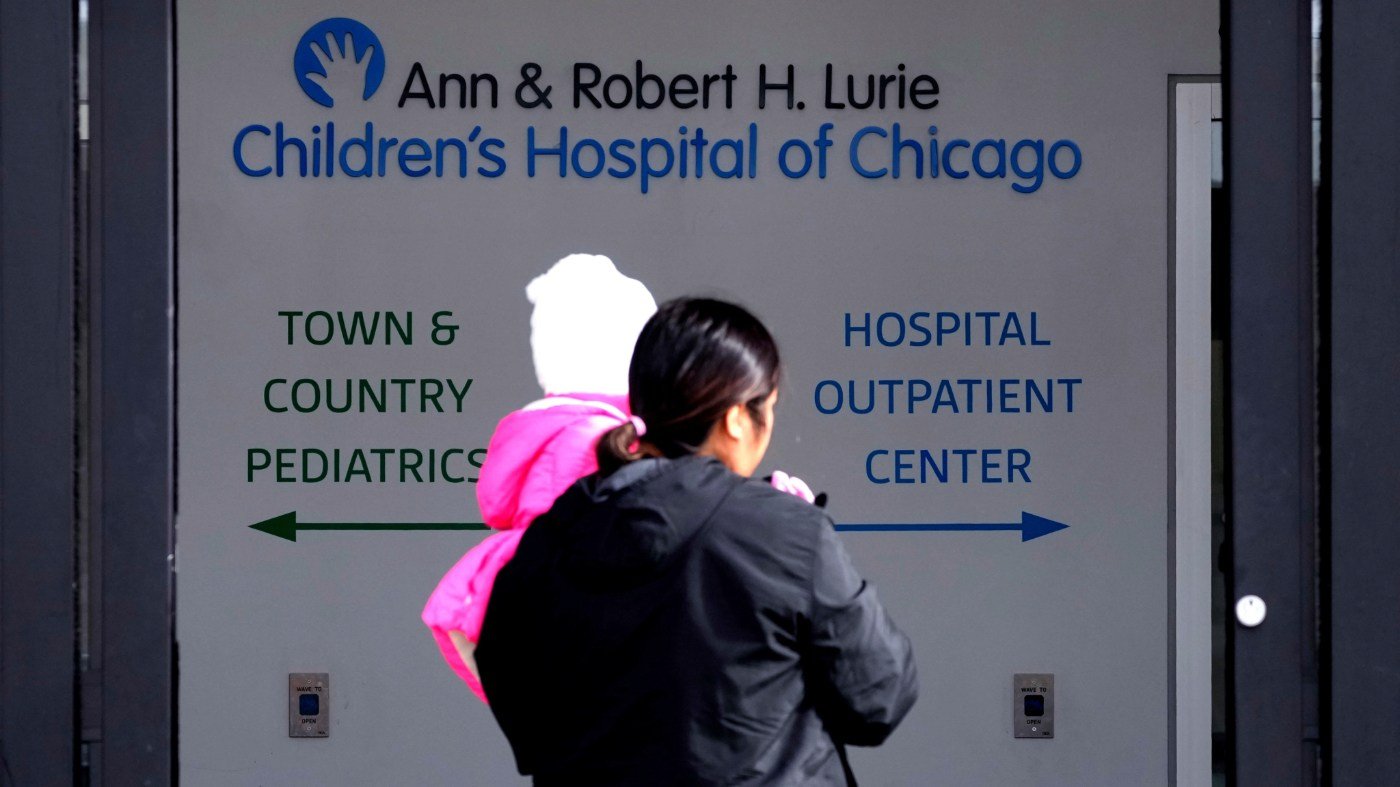
Renaming geographic landmarks has become a political pastime, but a more consequential label change is being proposed for the factors that shape Americans' health. Scott Rivkees, a pediatrician and former Florida surgeon general, argues that the term "social determinants of health" fails to resonate with the public and obscures the role of government in these outcomes. He suggests calling them "America's determinants of health" to make the political stakes unmistakable.
These determinants—ranging from housing and education to healthcare access and environmental quality—have long been recognized as key drivers of well-being. Yet as politics increasingly influences these factors, often negatively, Rivkees contends that a clearer name could galvanize voters. "We recognize that the conditions we live in, the support our government provides and the public health and healthcare policies we enact come from us and those we elect," he writes.
The stakes are particularly high for maternal health. The U.S. ranks poorly among industrialized nations for maternal mortality and premature births, and restrictive abortion policies are driving obstetricians out of red states, creating healthcare deserts for pregnant women. Early childhood experiences, including education and nutrition, also set lifelong health trajectories, with adverse experiences linked to adult cardiovascular disease.
Vaccination rates are falling as federal leadership undermines immunization policies, leading to resurgences of preventable diseases. The mental health crisis among children, exacerbated by social media and inadequate services, remains unaddressed by federal legislation, unlike other nations.
Environmental health is another front, with rollbacks of air and water pollution standards threatening to increase asthma and cancer risks. Meanwhile, programs like SNAP and Medicaid, which have long provided a safety net, face massive cuts under the One Big Beautiful Bill Act of 2025—over $900 billion from Medicaid and $200 billion from SNAP over the next decade. These reductions disproportionately harm rural communities, where the Rural Health Transformation Program's $50 billion is a drop in the bucket compared to the potential closure of more than 20% of rural hospitals.
Rivkees emphasizes that health is not merely a personal choice but a collective outcome of policy decisions. By renaming these determinants, he hopes to make clear that elections have direct consequences for the air we breathe, the food we eat, and the care we receive. "Reframing the idea that society and policy affect our health, and that the people we elect and the laws they pass can influence it, can," he argues.
As the political debate over healthcare intensifies, Rivkees's proposal offers a new lens for voters to evaluate candidates. Whether the term catches on remains to be seen, but the underlying message is clear: health is political, and Americans have a say.