Electric bills are climbing for American households, with average residential rates hitting about 18 cents per kilowatt-hour this year—a 10% jump in just two years. Since 2021, prices have surged nearly 30%, far outpacing inflation. For families, every extra dollar spent on electricity is a dollar not spent on groceries, gas, or holiday gifts.
The pain is real, and voters are asking why. While global conflicts like the one in Iran push up oil prices, the drivers of higher electricity costs are closer to home: aging infrastructure and a tangled federal permitting process that delays new power projects and upgrades.

A new Senate proposal, the Bipartisan American Affordability and Jobs Act of 2026, aims to tackle these issues head-on. Introduced by Senators Shelley Moore Capito (R-W.Va.), Mike Lee (R-Utah), Sheldon Whitehouse (D-R.I.), and Martin Heinrich (D-N.M.)—the top lawmakers on the Environment and Public Works and Energy and Natural Resources committees—the bill represents the most serious federal permitting reform effort in decades.
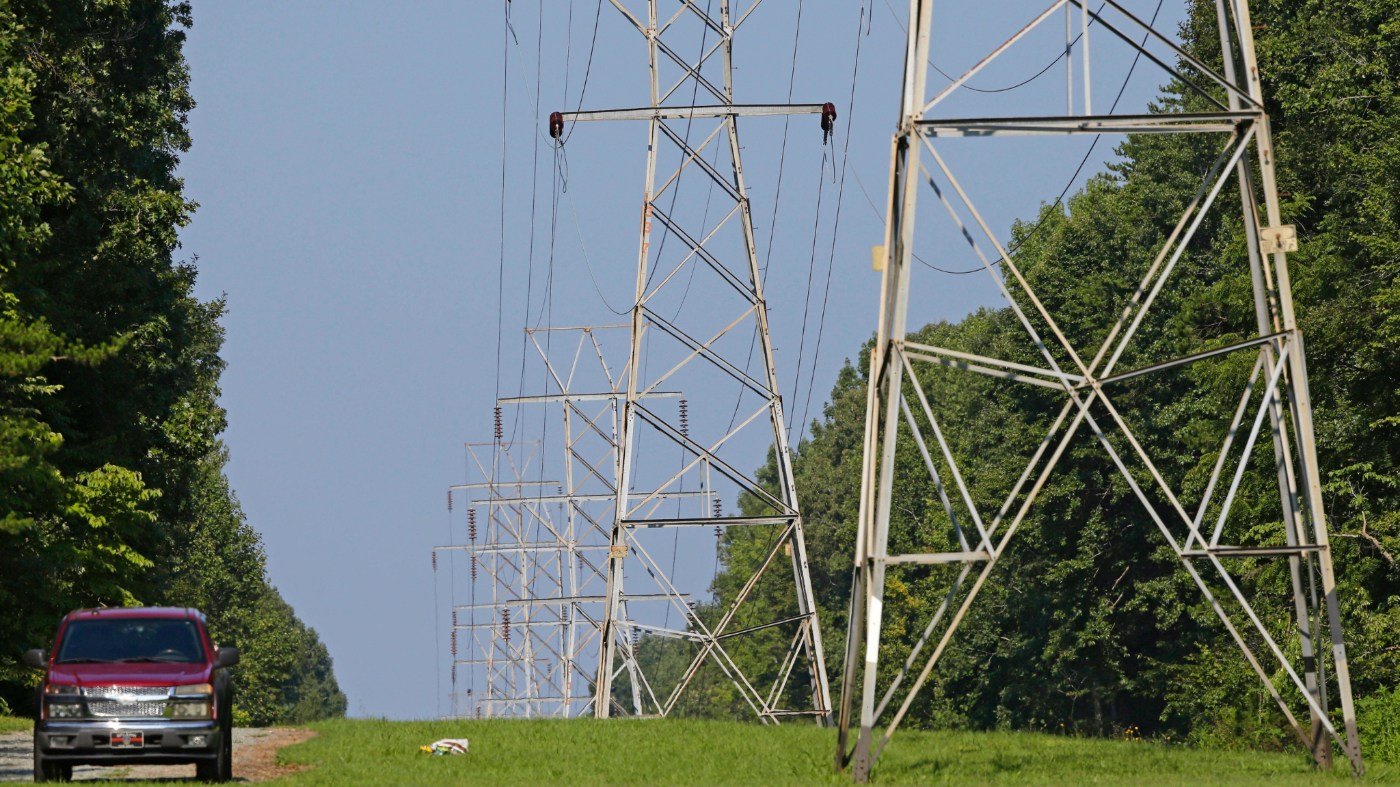
The legislation targets a major bottleneck: only about 400 miles of new high-capacity transmission lines were built last year, a fraction of the nearly 5,000 miles annually that analysts say is needed. But rather than solely pushing new construction, the bill encourages "reconductoring"—replacing old wires on existing lines with advanced conductors that can double capacity at less than half the cost per mile and in a fraction of the time. It would allow such upgrades within existing corridors to skip full environmental and historic reviews, and direct federal regulators to require utilities to use the best available wire technology.
Another key provision addresses the interconnection queue, where over 2,000 gigawatts of proposed generation and storage are waiting to connect—more than the entire current U.S. power plant fleet. Today, the average project takes about five years from request to operation, up from three a decade ago. The bill would push the Federal Energy Regulatory Commission to require grid operators to use artificial intelligence, machine learning, and automation to speed up these studies. A recent test by the Midcontinent Independent System Operator showed that a study phase that took 686 days could be rerun with automated software in just 10 days, with similar results.
To ensure AI doesn't inadvertently raise costs, the bill requires data centers to pay the full cost of the transmission they need, and the Energy Information Administration would start tracking their electricity consumption—giving policymakers and voters visibility into their impact on the grid.
This bipartisan effort is a rare sight in today's polarized climate, especially just days before an election. But as recent polls show Americans feeling squeezed financially, addressing the cost of essentials like electricity is a winning issue.
While no bill will lower bills overnight, modernizing the grid and clearing away avoidable delays are credible steps to ease pressure on families in the years ahead. As the nation's demand for electricity grows—driven by data centers, electric vehicles, and more—the Senate's proposal offers a path to deliver more power at lower cost. That's a future worth plugging into.