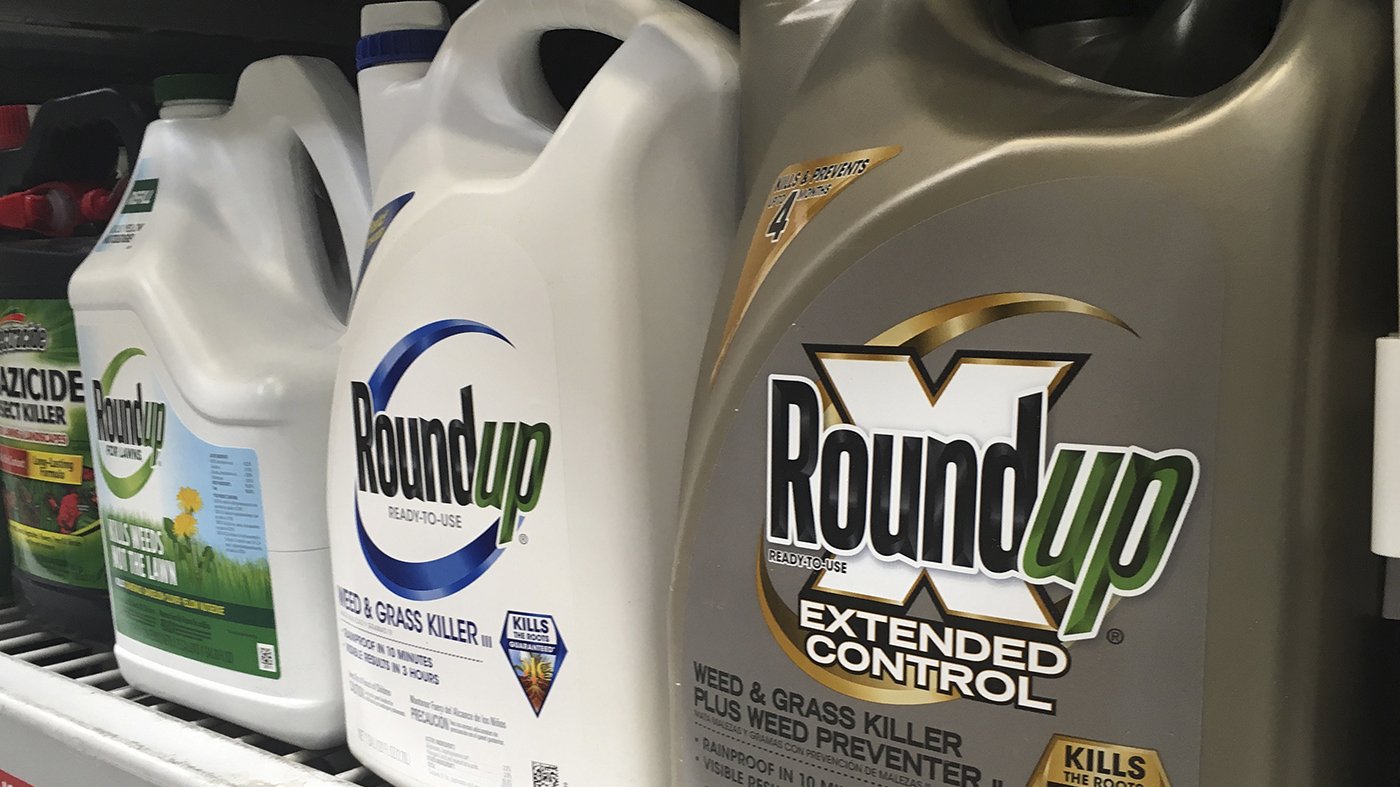
The Supreme Court dealt a significant blow to consumer lawsuits against pesticide manufacturers Thursday, ruling 7-2 that federal law bars certain state-level claims over alleged health harms. The decision hands a clear victory to Bayer and its Monsanto unit, which has faced thousands of lawsuits over the weedkiller Roundup.
At the heart of the case was John Durnell, a cancer patient who had secured a $1.25 million settlement after arguing that Monsanto failed to warn him of Roundup's potential health risks. Monsanto challenged the settlement, and the high court sided with the company, holding that the Federal Insecticide, Fungicide, and Rodenticide Act (FIFRA) preempts such claims when the product's label has been approved by the Environmental Protection Agency.
Justice Brett Kavanaugh, writing for the majority, explained that FIFRA explicitly prohibits states from imposing labeling requirements that differ from federal standards. “FIFRA expressly preempts Durnell’s state-law failure-to-warn claim,” he wrote, noting that federal law requires manufacturers to use the EPA-approved label unless the agency itself orders a change.
The ruling is a major setback for the Make America Healthy Again (MAHA) movement, which has rallied around holding pesticide companies accountable for alleged health harms. Activists argue that the decision shields corporations from liability even when emerging evidence suggests their products may cause serious illness.
Kavanaugh emphasized that the EPA has repeatedly approved Roundup’s label without a cancer warning, and that Monsanto would face penalties for deviating from that label. “If a manufacturer does not use the EPA-approved label, it may be subject to civil and criminal penalties,” he added.
The decision drew sharp dissent from Justices Neil Gorsuch and Ketanji Brown Jackson, who argued that the majority’s reading of FIFRA unduly restricts states’ traditional police powers to protect public health. The split reflects broader judicial debates over federal preemption and corporate accountability.
While the ruling blocks failure-to-warn claims based on risks not recognized by the EPA, Americans can still sue if a company omits a warning that federal law requires. The practical effect, however, is to limit the most common type of lawsuit against pesticide makers.
This decision arrives amid a busy term for the high court, which has also weighed cases on religious liberty and corporate liability. The ruling is expected to have ripple effects across the pesticide industry, potentially reducing the volume of litigation and reinforcing the EPA’s role as the primary arbiter of label safety.
For Bayer, the decision provides some relief from a legal quagmire that has cost the company billions in settlements. But the broader public health debate over glyphosate, Roundup’s active ingredient, is far from settled. Advocacy groups have vowed to push for stronger federal warnings and to explore other legal avenues.