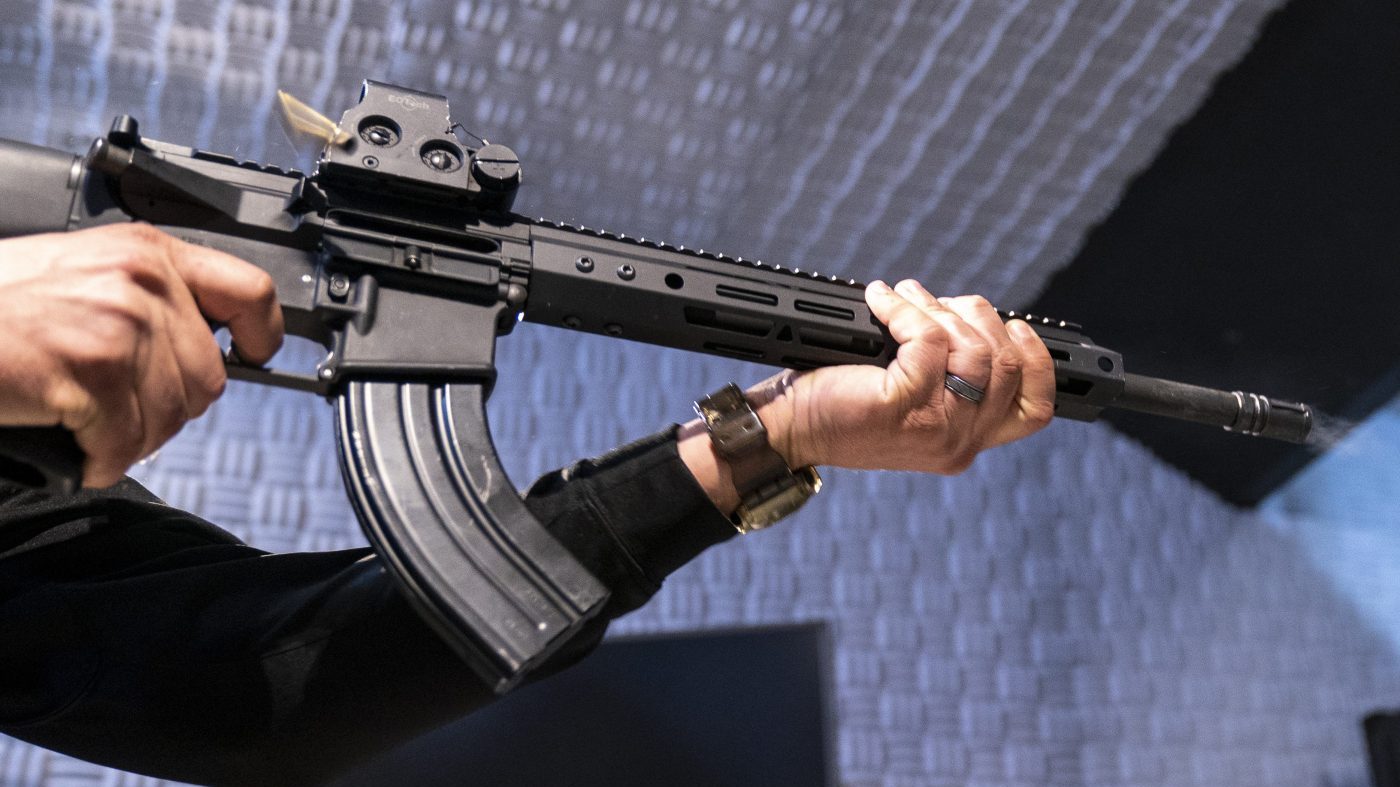
The Supreme Court announced Tuesday it will decide whether the Second Amendment protects the right to own AR-15s and other assault-style rifles, wading into a high-stakes legal battle that could reshape gun policy across the country.
The justices agreed to hear challenges to bans enacted in Connecticut and the Chicago area, setting up a landmark ruling on the constitutionality of restrictions that roughly 10 states have imposed. Oral arguments are expected after the court's next term begins in October, with a decision likely by mid-2025.
At the heart of the dispute is whether these weapons qualify as "arms" under the Second Amendment. Defending their bans, states like Connecticut and Illinois argue that AR-15s are not the type of firearms the Constitution protects, while gun rights advocates counter that they are among the most popular rifles in America, with the National Shooting Sports Foundation estimating about 32 million in circulation.
The case arrives after the Supreme Court's conservative majority established a new legal test for gun laws: to pass constitutional muster, restrictions must be consistent with historical tradition. That standard, set in New York State Rifle & Pistol Association v. Bruen, has already led lower courts to strike down several state and local measures.
The high court had sat on these petitions for months, declining to act week after week. The delay had left lower courts in disarray, with some upholding bans and others invalidating them, creating a patchwork of rulings across the country.
This term, the justices have already issued several major Second Amendment decisions. They limited the government's ability to prosecute gun possession by marijuana users and struck down Hawaii's restrictions on carrying firearms on private property. The AR-15 case could be the most consequential yet.
Gun control groups like Everytown for Gun Safety, which tracks state laws, say the bans at issue vary in scope but generally target semiautomatic rifles with features such as detachable magazines, pistol grips, or flash suppressors. A Supreme Court ruling against the bans would invalidate laws in all ten states and likely trigger new legal challenges elsewhere.
The case also carries political implications. As the 2026 midterms approach, the gun debate remains a potent issue. Pollsters warn that suburban women, particularly those who switch parties, could decide the next election, and gun policy often influences their votes.
For now, the justices will hear arguments on whether the Second Amendment's "right of the people to keep and bear arms" extends to the most controversial rifles in American politics. The outcome could define the scope of gun rights for a generation.