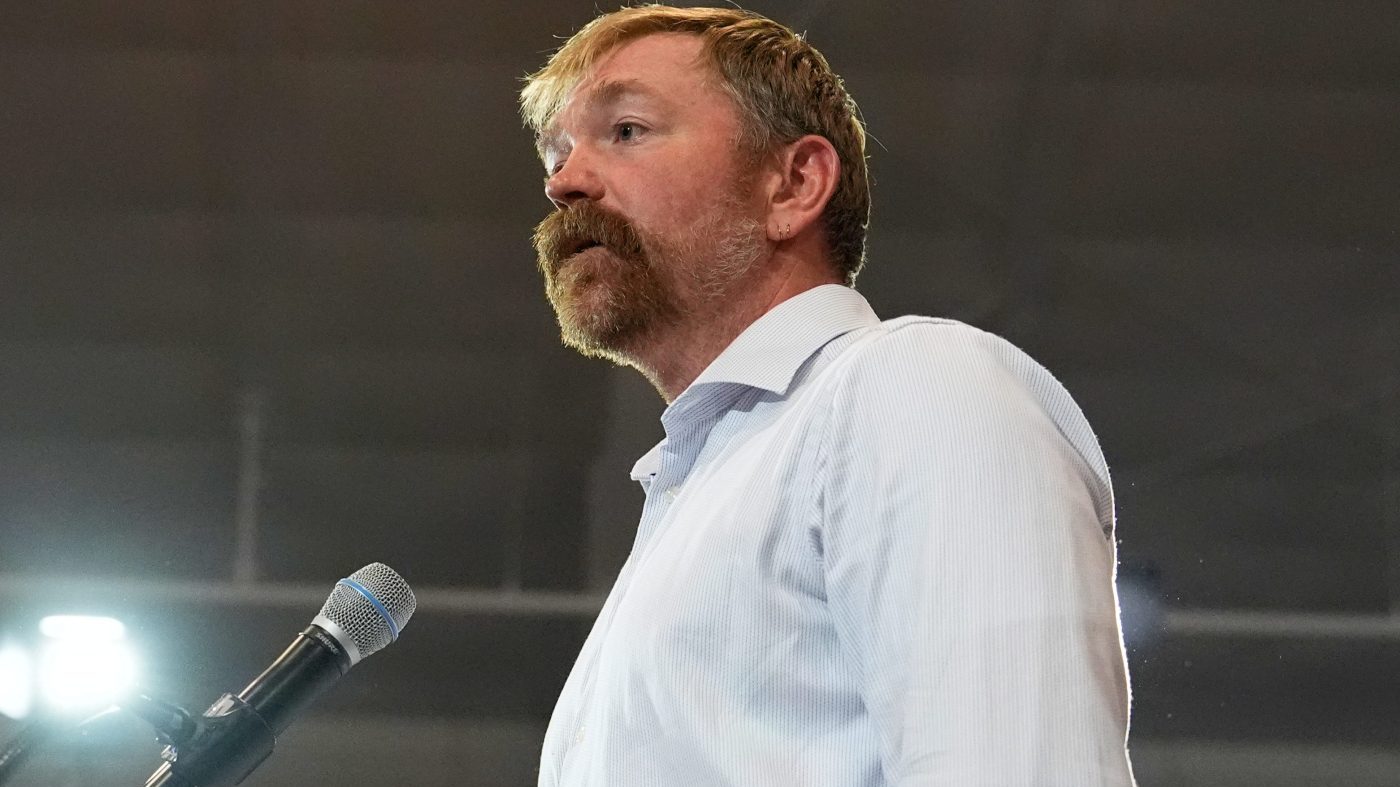
Graham Platner, the Democratic nominee for Senate in Maine, is facing a massive spending disadvantage against incumbent Senator Susan Collins, according to a campaign memo obtained by Politico. The memo, released Monday, details that Republicans have poured $4.3 million into the race from last Tuesday through Monday, dwarfing the $440,000 spent by Platner's campaign during the same period.
Collins' campaign spent $500,000 of that total, while outside groups like Pine Tree Results PAC contributed $3.7 million. In contrast, Democratic spending—including ad buys from League of Labor Voters, Common Defense, and Majority Forward—reached just $1.6 million. The memo warns that GOP groups are on track to outspend Democrats four-to-one in the coming week, with Pine Tree Results PAC alone spending roughly $1.5 million weekly and planning to invest nearly $10 million more by early August.
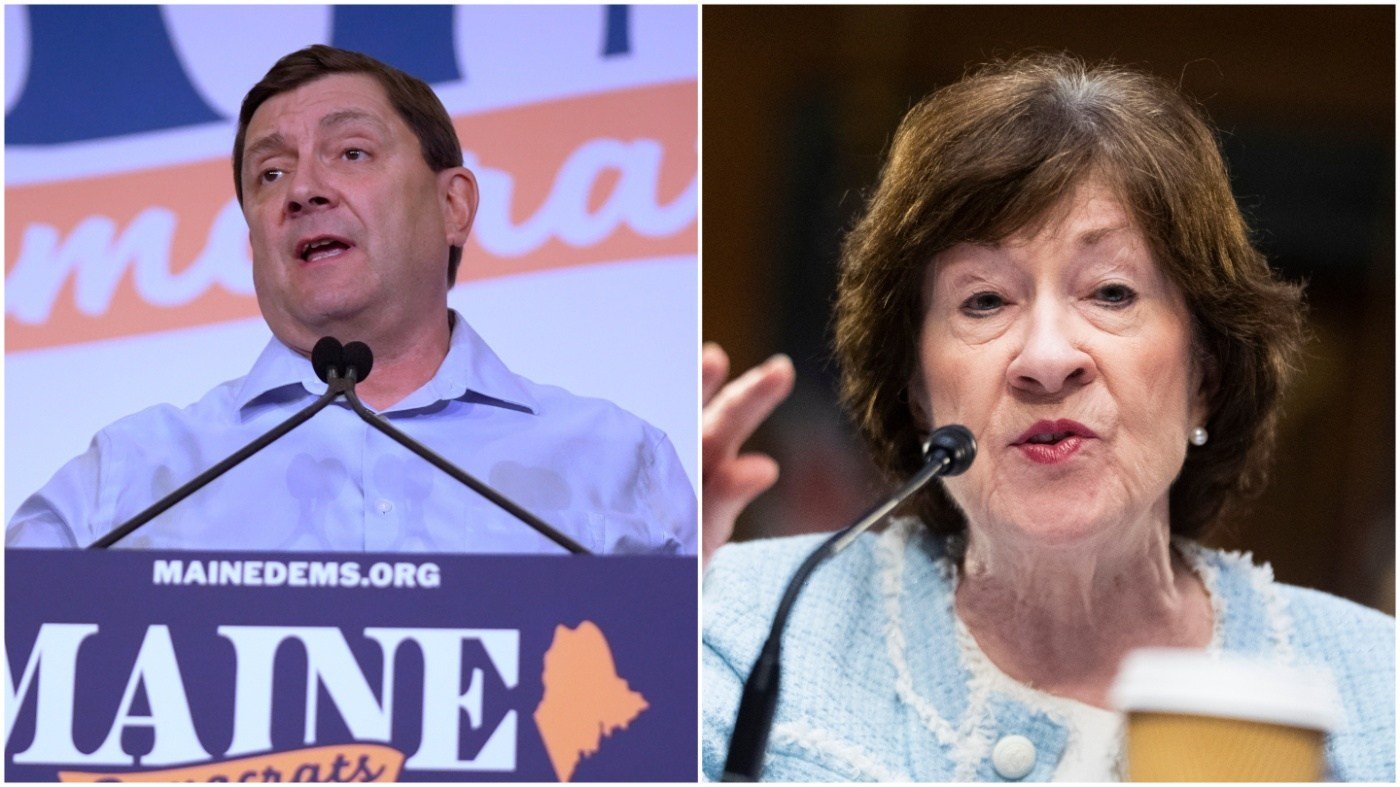
“The GOP understands the stakes of this race, which is why they are investing millions of dollars every week to protect Susan Collins,” the memo reads. “In order to remain in a strong position to win in November, the campaign needs the resources to fight back against this onslaught of GOP spending.”
Ben Chin, Platner's campaign manager, acknowledged the spending gap but struck a defiant tone. “We are absolutely very concerned about it, but I will say that we are also very excited about the fact that all the grassroots momentum that we have,” Chin told reporters on a press call, pointing to the campaign's door-knocking efforts and Platner's town halls across the state.
Despite the financial disparity, polling shows a tight race. A recent New York Times/Portland Press Herald/Siena College survey of 608 likely voters found Platner leading Collins 49% to 47%, within the margin of error of 5.4 percentage points. Platner holds an 8-point edge among women, while Collins leads by 7 points among men. Collins also has a 21-point advantage among voters without a bachelor's degree, a key working-class demographic that Platner has centered his campaign on.
The Supreme Court's recent decision to strike down federal limits on party-candidate coordinated spending could further shake up the race. On Tuesday, Politico reported that the Democratic Senatorial Campaign Committee (DSCC) is forming a joint fundraising committee with Platner, a move that may help narrow the spending gap. The Hill has reached out to the DSCC for comment.
Platner, who is seeking to unseat Collins as she runs for a sixth term, emphasized his campaign's focus on building relationships. “We’re very happy with where we’re at, we’re very happy with the relationships we’re building and where things feel like they’re going,” he told reporters.
The race underscores the broader dynamics of the 2024 Senate map, where Democrats are defending several seats in Republican-leaning states. Maine, however, remains a competitive battleground, and the spending disparity highlights the GOP's determination to hold onto Collins' seat. For Platner, the challenge is clear: overcome a cash disadvantage while maintaining grassroots momentum in a state that has increasingly trended Democratic in presidential elections.