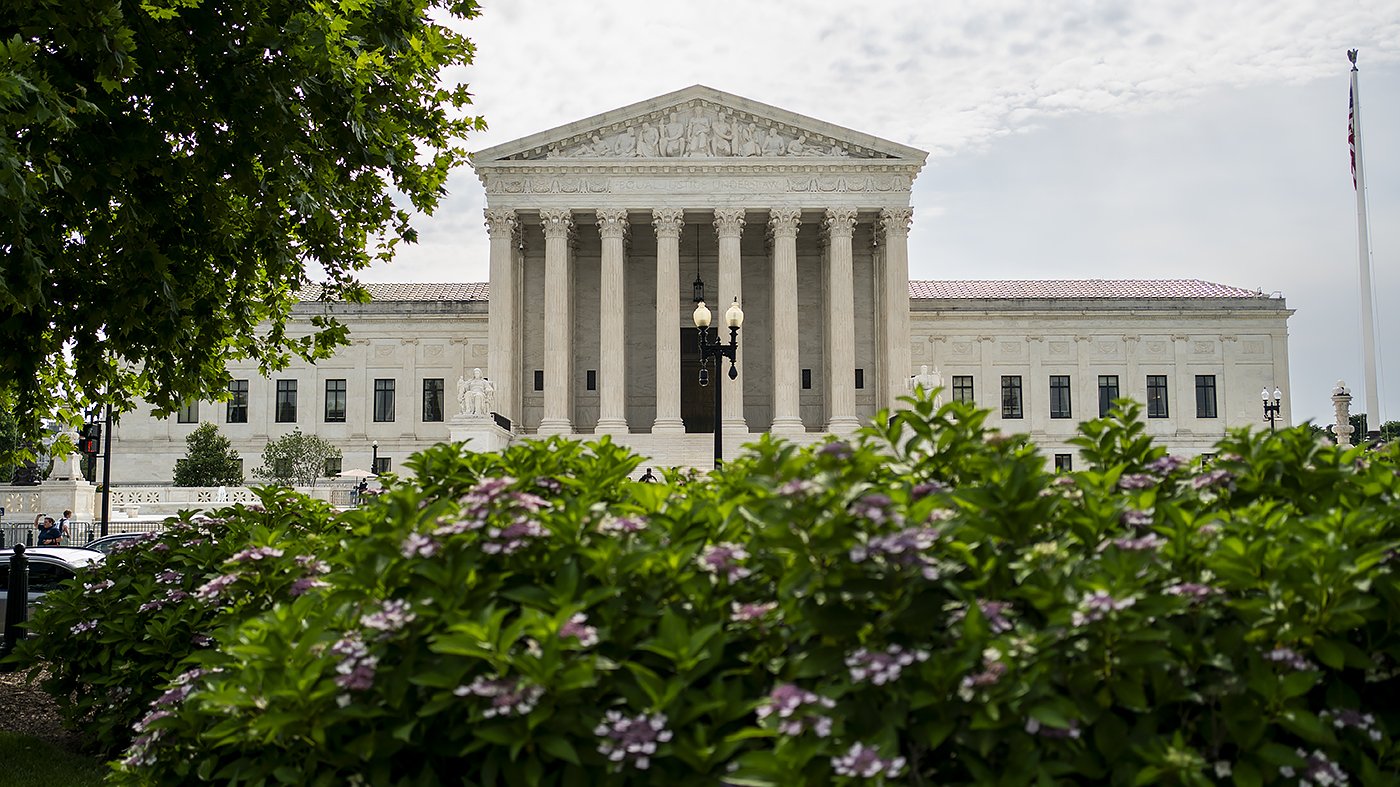
The Supreme Court on Tuesday sided with Vice President Vance and the Republican Party, ruling that federal caps on how much political parties can spend in coordination with their candidates violate the First Amendment. The 6-3 decision marks a significant shift in campaign finance law, overturning restrictions that had been in place for decades.
Writing for the majority, Justice Kavanaugh emphasized that the ruling applies equally to both major parties. 'Whether the Democratic party, the Republican party, or other parties, all political parties and candidates going forward can compete equally under the same rules regarding coordinated expenditures,' he wrote. The decision clears the way for parties to structure fundraising and spending without the previous limits.
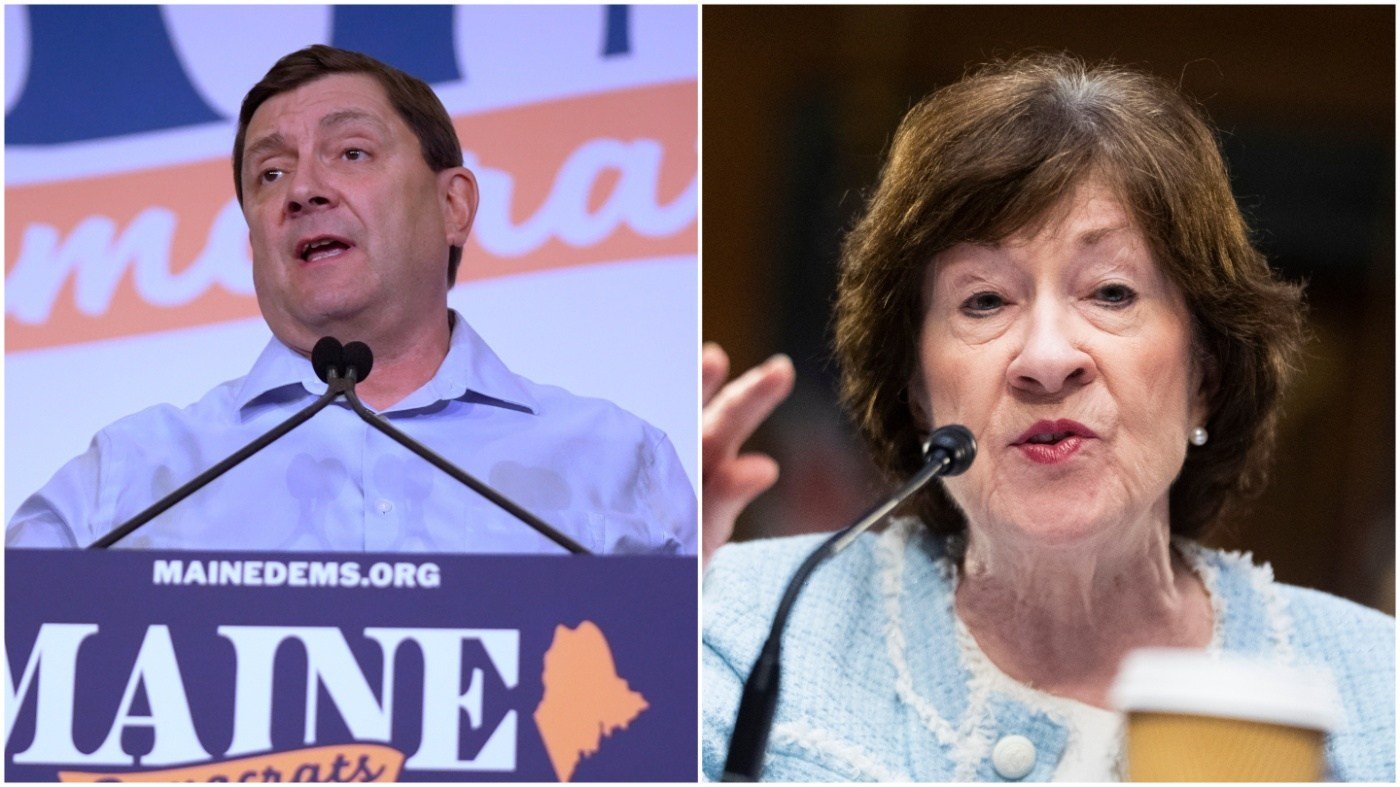
The case originated from a challenge brought by then-Senator Vance and former Representative Steve Chabot, along with the GOP's Senate and House campaign committees. They argued that the 2001 precedent upholding earlier restrictions was no longer valid, citing recent Supreme Court rulings, changes in campaign finance law, and the explosion of Super PAC spending.
The limits were first enacted in the 1970s as part of post-Watergate reforms aimed at curbing corruption. Supporters contended that the caps prevented donors from funneling bribes to candidates through party accounts, which allow larger contributions than direct donations to campaigns.
The federal government initially defended the law, but the Trump administration abandoned that defense after taking office, prompting the Democratic National Committee to intervene. The case became a direct battle between the two parties, with Democrats arguing the restrictions were essential to prevent corruption.
In a related development, the Court recently upheld state bans on transgender girls in school sports, signaling a conservative shift on social issues. The campaign finance ruling adds to a term that has also seen decisions on presidential firing power and mail-in ballots.
Critics of the decision warn it will open the door to increased influence of wealthy donors, while supporters argue it levels the playing field between parties and outside groups. The ruling is expected to have immediate implications for the 2028 election cycle, as parties can now coordinate more closely with candidates on advertising and messaging.
This is a developing story. Further analysis on the impact of the ruling will follow.