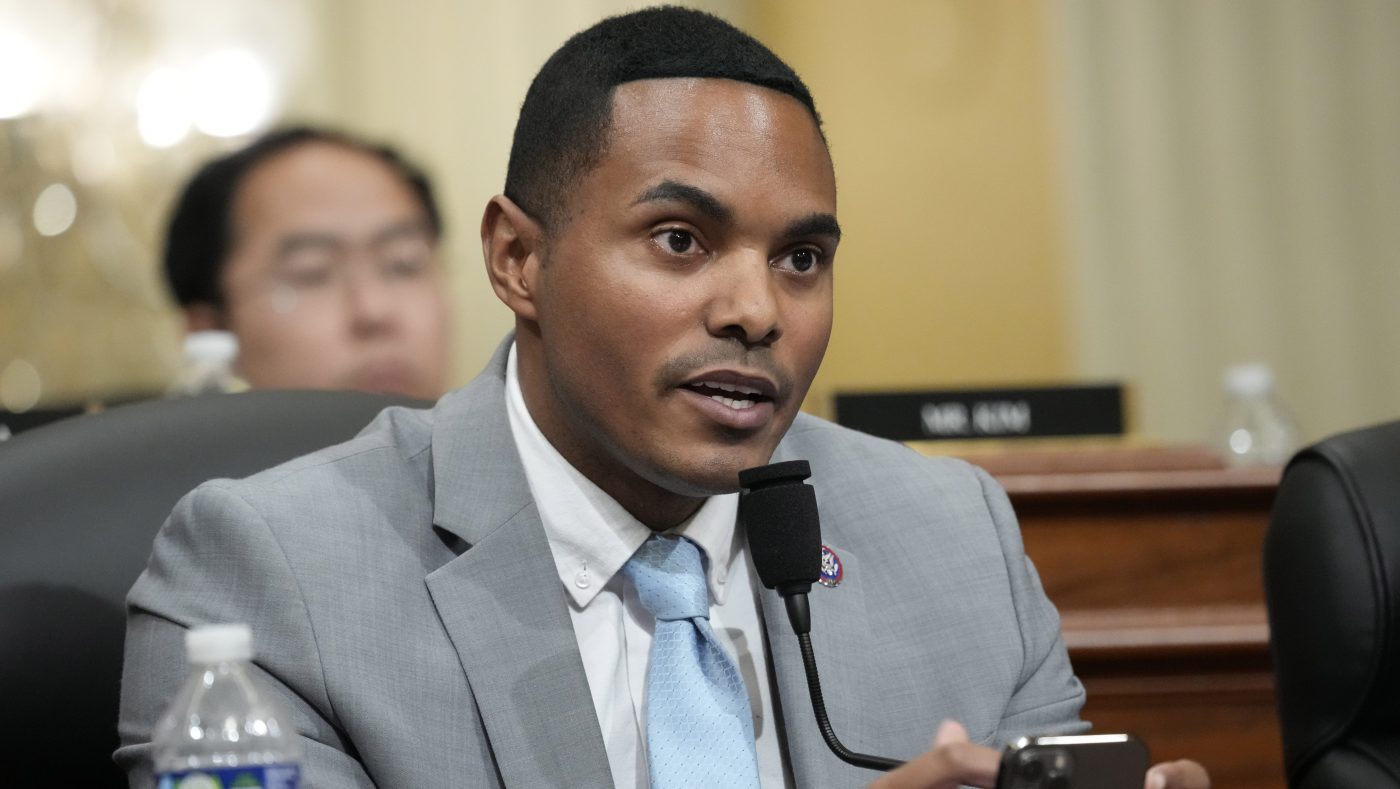
Democratic Rep. Ritchie Torres of New York on Tuesday offered sympathy to Republican Rep. Tom Kean Jr. of New Jersey over his battle with depression, but pressed him to be more forthcoming about future long-term absences. The call for openness comes after Kean missed 135 House votes, sparking concerns about his whereabouts.
“As someone who has lived with depression, I have deep sympathy for anyone struggling with mental illness,” Torres wrote on X. “I might not be alive today were it not for a prolonged hospitalization and proper medication. I know the value of taking a medical leave firsthand.”
Torres, who has been open about his own mental health challenges, emphasized that public office carries a duty of transparency. “When a public official is absent for an extended period, the public has a right to an honest explanation,” he added. His remarks echoed a broader push for accountability in Washington, where lawmakers have increasingly faced scrutiny over unexplained absences—a topic that has also surfaced in debates about transparency in government.
Kean addressed his absence on the House floor Tuesday, explaining that he was hospitalized for treatment. “When I first informed the public that I was dealing with a medical issue, I was still trying to understand what was happening myself,” Kean said. “But as the over 48 million of my fellow Americans being treated for this illness have come to discover, there is no timeline for healing.”
The New Jersey Republican did not make public appearances in his district or in Washington during his absence, fueling speculation. House Speaker Mike Johnson, a Louisiana Republican, said he was informed of Kean’s condition earlier this month and would have encouraged more transparency. “If it were me I would have been more specific about that,” Johnson said Wednesday. “It’s not an uncommon kind of condition and ailment, and I think people resonate with that.”
Kean’s return coincides with his reelection campaign, adding political stakes to the episode. Torres urged Kean to be open about future medical needs, noting that the public can be forgiving. “Transparency deepens the public’s empathy, whereas secrecy breeds suspicion,” Torres wrote. “Tell the truth, and tell it early. The public is often most forgiving of those who level with them.”
The incident highlights a broader issue of mental health in Congress, where lawmakers have sometimes struggled to balance personal health with public expectations. Torres’s own experience—detailed in previous interviews—has made him a vocal advocate for mental health awareness, a stance that resonates as other lawmakers face health challenges.
Kean’s absence also raises questions about how the House handles extended leave. While some members have used medical leave for physical ailments, mental health disclosures remain less common. Torres’s call for transparency may set a precedent for future cases, as public figures navigate the line between privacy and accountability.