A coalition of 14 House Republicans defied leadership Tuesday, voting with Democrats to reject a procedural rule that would have advanced the National Defense Authorization Act (NDAA) and the SAVE America Act, effectively paralyzing the House floor and dealing a sharp setback to Speaker Mike Johnson’s legislative agenda.
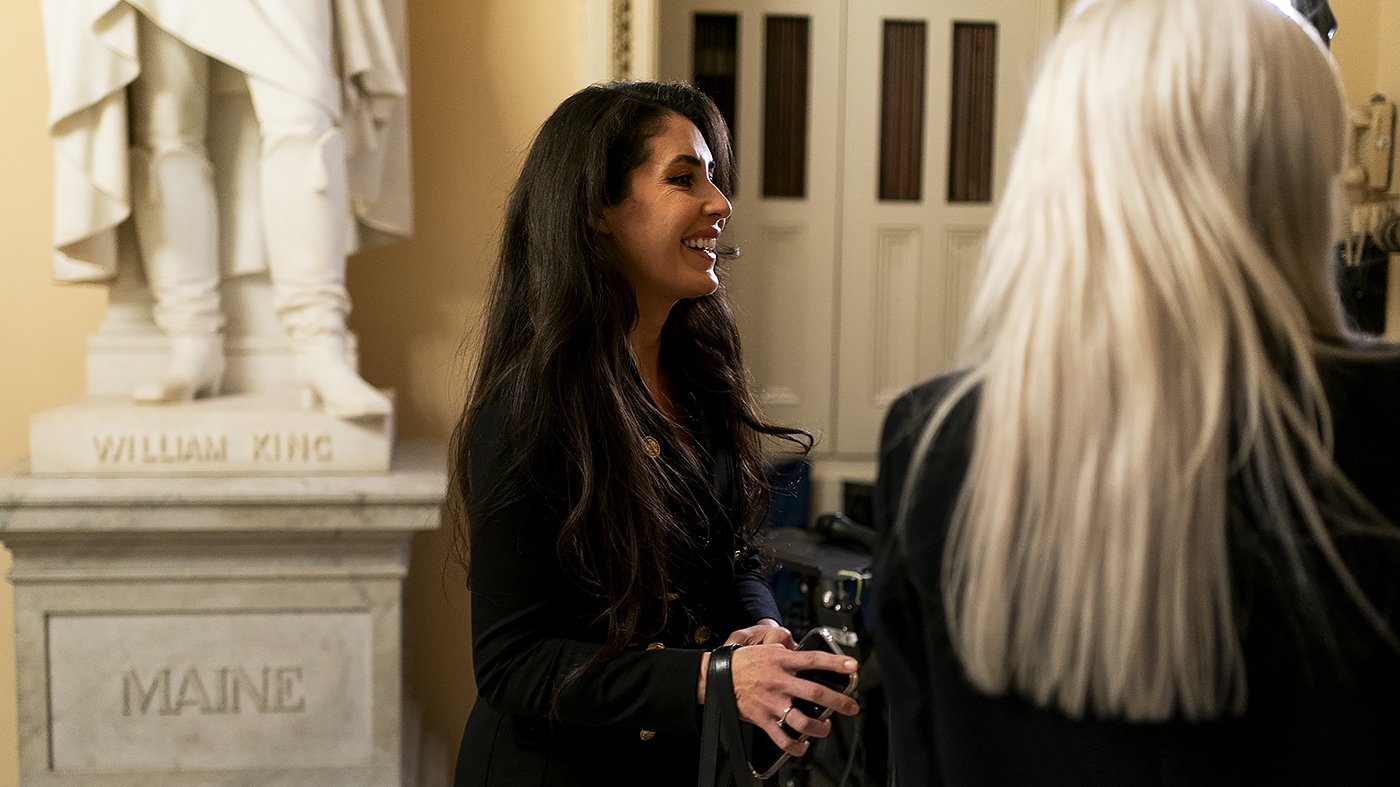
The rule failed 198-224, with GOP dissidents including Reps. Tim Burchett (Tenn.), Eli Crane (Ariz.), Andy Harris (Md.), Anna Paulina Luna (Fla.), Chip Roy (Texas), Thomas Massie (Ky.), and Lauren Boebert (Colo.) crossing party lines. House Majority Leader Steve Scalise (R-La.) switched his vote to no as a procedural maneuver, allowing Republican leaders to potentially bring the measure back for a future vote.

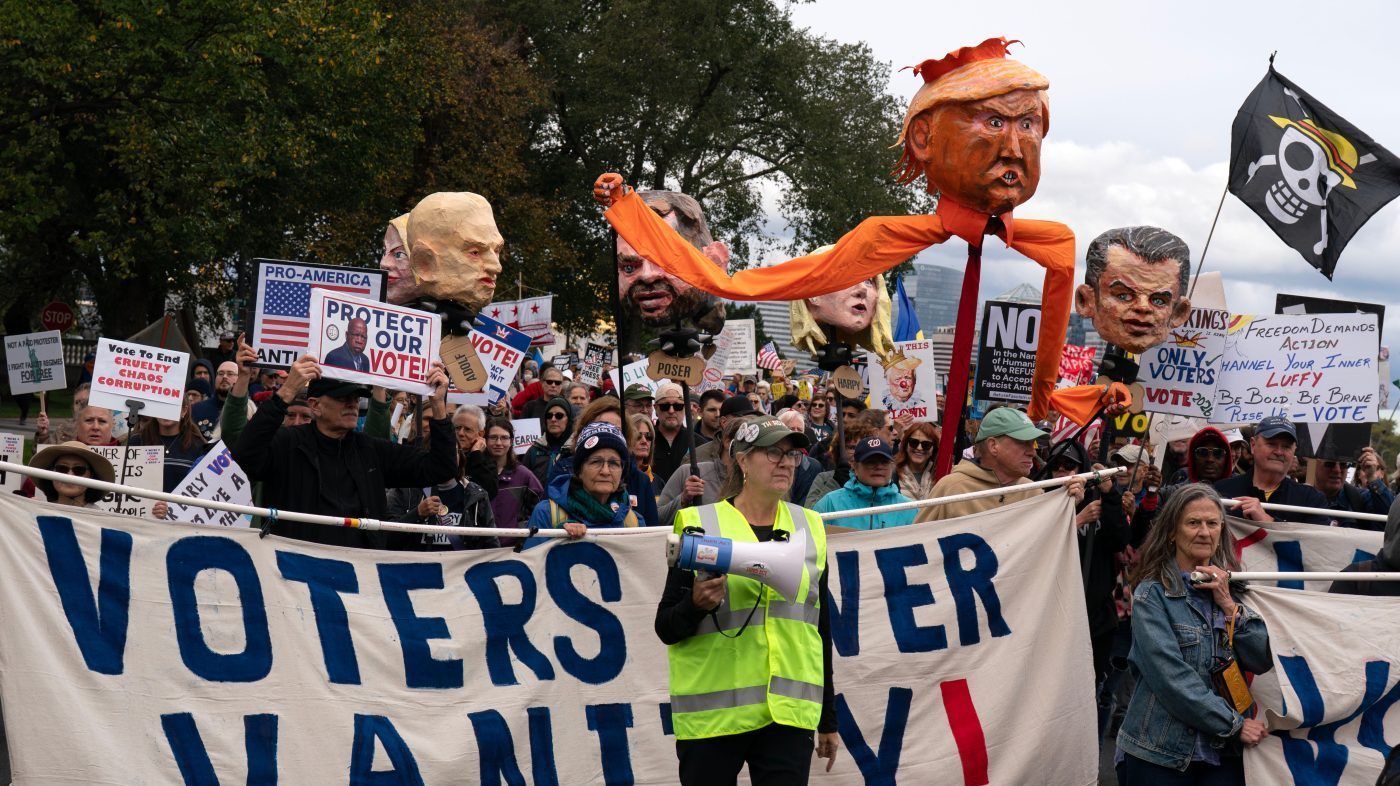
The revolt stems from conservative frustration that the Senate has not acted on the SAVE America Act, which would require proof of citizenship for federal voter registration and photo ID to cast a ballot—a top priority for former President Donald Trump. Johnson had attempted to appease hardliners by packaging the voter ID bill with the NDAA through a special process known as MIRVing, which would send both measures to the Senate as a single package after House passage. But critics, including Luna, dismissed the move as a “procedural head fake,” arguing the Senate could easily strip the voter ID language. In a post on X before the vote, Luna wrote: “This does not do anything but guarantee the Senate will EASILY TAKE OUT SAVE America from the NDAA.” She demanded the voter ID provisions be inserted directly into the NDAA’s base text—though even that approach would not prevent the Senate from removing them.
Rep. Mike Turner (R-Ohio) also voted against the rule, seeking to use the NDAA as a vehicle to restore pensions for terminated Delphi retirees. Johnson blocked that effort, citing a point of order because the proposal “was appropriating on an authorizing measure.” Turner was joined by fellow Ohio Republicans Max Miller and Victoria Spartz.
The blocked rule would have also advanced an appropriations bill for national security and the State Department, a resolution marking the Working Families Tax Cuts Act anniversary, and other measures. The standoff leaves Johnson with few options; with a razor-thin majority, he needs near-unanimous GOP support on procedural votes. The SAVE America Act has already passed the House but remains stalled in the Senate, where Democrats oppose it and Majority Leader John Thune (R-S.D.) has rejected calls to eliminate or reform the filibuster to force it through.
Trump, after meeting with Johnson last week, urged House Republicans to unify and stop voting down rules in a Truth Social post. But the rebellion underscores the deep divisions within the GOP conference, as hardliners prioritize the voter ID bill over the broader defense authorization and other legislative business. The House floor has been largely paralyzed for days, with conservatives blocking activity to pressure leadership.
The impasse also highlights the broader challenges facing Johnson, who must navigate between the demands of his right flank and the need to pass must-pass legislation like the NDAA. With no clear path forward, the fate of the GOP’s legislative agenda—and the defense bill—remains uncertain. As one observer noted, the episode echoes earlier warnings from Johnson himself, who previously cautioned that blocking the House agenda over the voter ID bill was 'self-defeating.'
The standoff comes amid other political turbulence, including a Colorado court blocking Democratic-backed redistricting ballot measures, but the House drama remains the central focus in Washington. For now, Johnson is back to the drawing board, as the GOP’s internal war over election integrity legislation threatens to consume the chamber’s agenda.