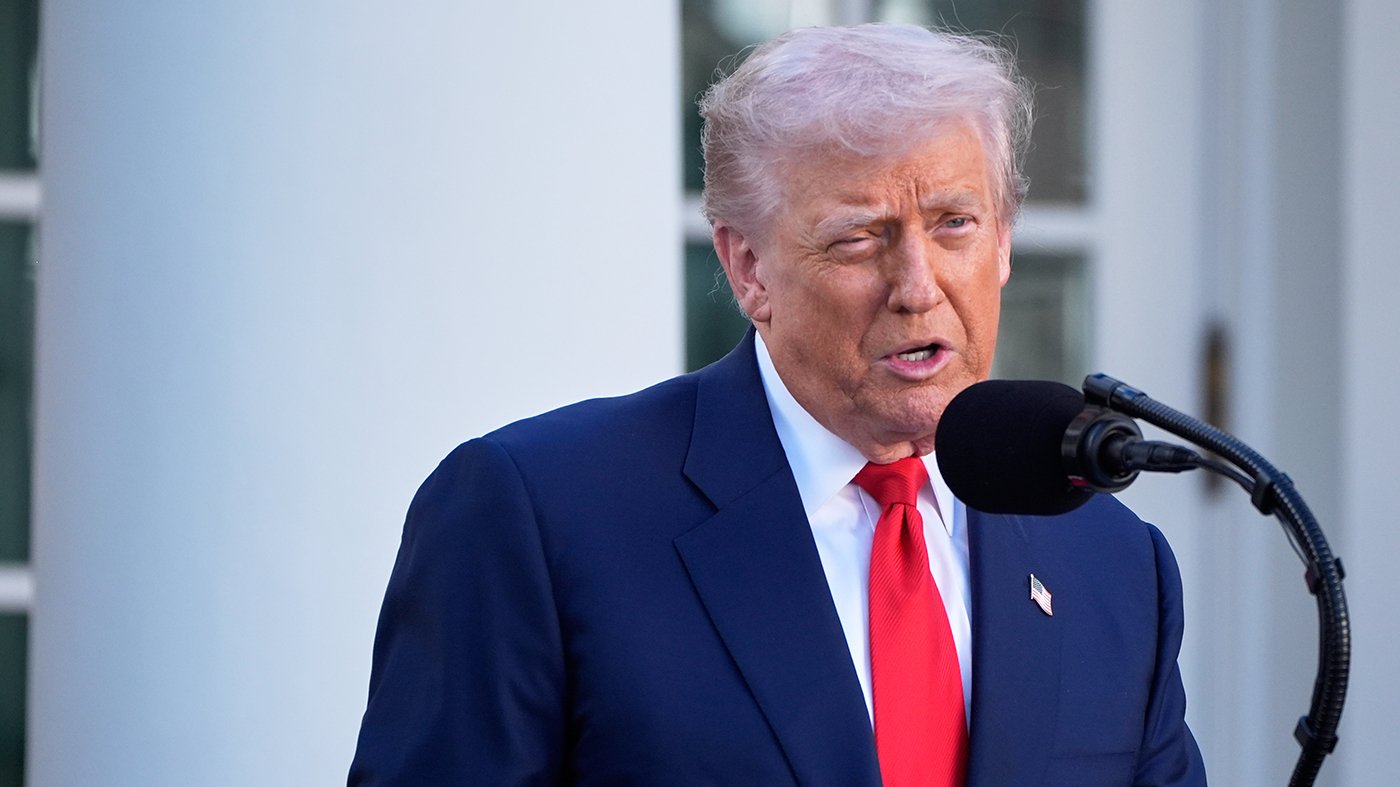
President Donald Trump hosted a group of American farmers from across the country at the White House on Thursday evening, holding a dinner in the Rose Garden as part of an intensified effort to shore up support from a key constituency ahead of the midterm elections.
The event comes as farmers grapple with rising fertilizer costs—a consequence of the administration's tariff policies and the ongoing conflict with Iran. Trump's team has sought to frame the dinner as a gesture of solidarity, but critics note that the same trade agenda has squeezed agricultural margins.
“There is no greater champion for American farmers, growers, and ranchers than President Trump, who has negotiated new, fair trade deals, lowered input costs, bolstered the farm safety net, eliminated the death tax, ended taxes on rural property loan interest, and created rural opportunity zones,” White House spokesperson Olivia Wales said in a statement.
Wales added: “For 250 years, hardworking farmers have fueled our nation, and President Trump continues to take action to help America’s farmers thrive again.”
The president’s remarks were scheduled to begin at 7 p.m. EDT, with a live feed available for viewers. The dinner is part of a broader White House strategy to lock down rural and agricultural voters, a demographic that proved crucial in Trump's previous electoral victories.
Trump's outreach comes as the administration faces headwinds on multiple fronts. Inflation, now at 4.1%, is adding pressure on both the White House and the Federal Reserve, while the president's trade policies continue to draw scrutiny. The farmers' dinner also follows a GOP Senate dinner hosted by J.D. Vance after a clash between Trump and Senator Bill Cassidy over Iran policy, underscoring the political balancing act the party faces.
Democrats have seized on the economic strains affecting rural America, arguing that Trump's tariff agenda—combined with the costs of military engagement in Iran—has directly hurt farmers. The White House counters that long-term trade deals and deregulation will eventually offset short-term pain.
The Rose Garden setting, a traditional venue for presidential ceremonies and events, lent the dinner an air of formality. But the political stakes are clear: with control of Congress on the line, Trump is betting that personal attention to agricultural leaders will translate into votes and fundraising support in key swing districts.
Observers noted that the event also served as a counterprogramming move, drawing media attention away from other controversies, including Trump's decision to halt a bipartisan housing bill while demanding passage of a voter ID measure. The dinner allowed the White House to project an image of engagement with everyday Americans, even as partisan battles rage on Capitol Hill.