President Downplays Escalation as Israel Targets Hezbollah
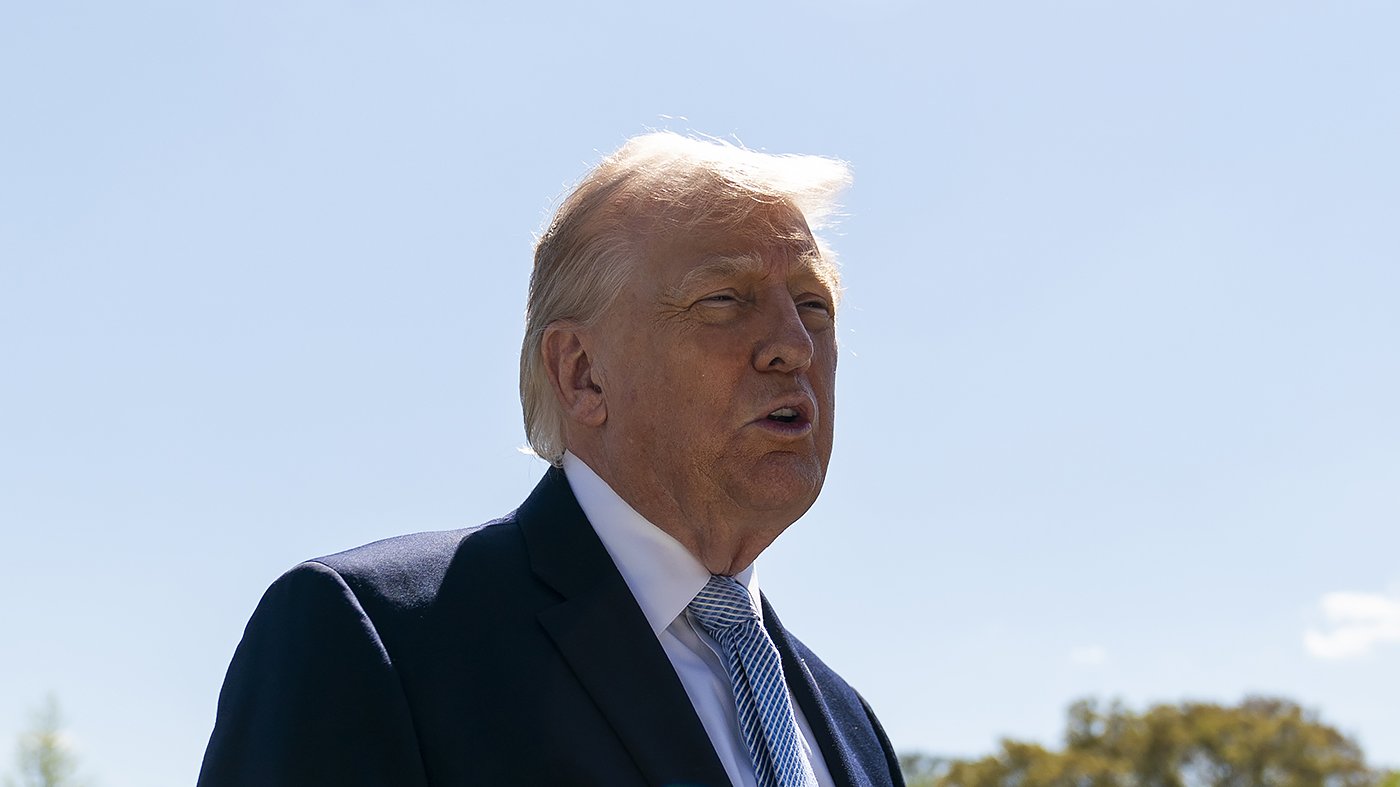
President Donald Trump characterized a major escalation of Israeli military action in Lebanon as a "separate skirmish" on Wednesday, hours after the United States and Iran reached a fragile two-week ceasefire agreement. In a phone interview with PBS Newshour, the president explicitly stated that Lebanon was not covered by the ceasefire arrangement, attributing this exclusion to the presence of Hezbollah, the Iranian-backed militant organization that operates extensively within the country.
"They were not included in the deal. That'll get taken care of too. It's alright," Trump told the outlet. When pressed by PBS journalists about whether he approved of Israel continuing its strikes against Lebanese targets, the president responded, "it's part of the deal. Everyone knows that. That's a separate skirmish." This framing of sustained military action as a minor conflict comes as Israel conducts its largest Hezbollah strikes since February, explicitly excluding Lebanon from the US-brokered ceasefire.
Intensified Military Campaign
Israeli forces launched their most significant offensive against Lebanon since the conflict began, targeting what its military described as over 100 Hezbollah command centers and military installations. The strikes focused on the capital city of Beirut, the Bekaa Valley, and southern regions of the country. The Lebanese health ministry reported dozens killed and hundreds wounded in the attacks, while the Lebanese Red Cross suggested the death toll could reach as high as 300. According to NBC News, the overall conflict has resulted in more than 1,500 fatalities in Lebanon.
Israeli Prime Minister Benjamin Netanyahu aligned with Trump's assessment, stating the ceasefire agreement between Washington and Tehran did not extend to Lebanese territory. This position has been contested by both Iran and Pakistan, who insist the deal should encompass all regional hostilities. The military escalation follows the announcement of a two-week Iran ceasefire that caused sharp market reactions, including a significant drop in oil prices.
Lebanese Condemnation and Diplomatic Fallout
Lebanese Prime Minister Nawaf Salam issued a forceful condemnation of Israel's actions on social media platform X, accusing the country of violating international law. "While we welcomed the agreement between Iran and the United States of America, and intensified our efforts to reach an agreement for a ceasefire in Lebanon, Israel continues to expand its aggressions that have targeted densely populated residential neighborhoods," Salam wrote. He further criticized Israel for "claiming the lives of unarmed civilians" and showing "utter disregard for the principles of international law and international humanitarian law."
The prime minister concluded his statement with a call for international intervention: "And all friends of Lebanon are called upon to help us stop these aggressions by all available means." This diplomatic appeal highlights the growing regional tension as the conflict expands beyond the initial US-Iran framework. The situation underscores what critics describe as a governing style rooted in dramatic, compartmentalized decision-making, where complex multilateral conflicts are treated as discrete episodes.
The president's comments and the subsequent military escalation represent a significant test for the fragile ceasefire between the United States and Iran. By explicitly sanctioning continued Israeli operations in Lebanon, the administration has created a potential loophole that could undermine the broader agreement. Regional analysts warn that this approach risks provoking Iranian retaliation through its Hezbollah proxy, potentially restarting the cycle of violence the ceasefire was designed to interrupt. The development comes amid broader economic threats from the Trump administration, including proposed 50% tariffs on nations that continue to arm Iran.
The characterization of sustained aerial bombardment resulting in hundreds of casualties as a "skirmish" has drawn criticism from foreign policy experts who argue it minimizes the humanitarian impact and strategic significance of the conflict. As Israeli operations continue against Hezbollah infrastructure, the distinction between the US-Iran ceasefire and the Lebanon conflict creates a precarious situation where regional war could reignite despite diplomatic progress elsewhere. The administration's handling of the situation reflects its preference for bilateral, transactional agreements over comprehensive multilateral diplomacy, with potentially volatile consequences for Middle Eastern stability.