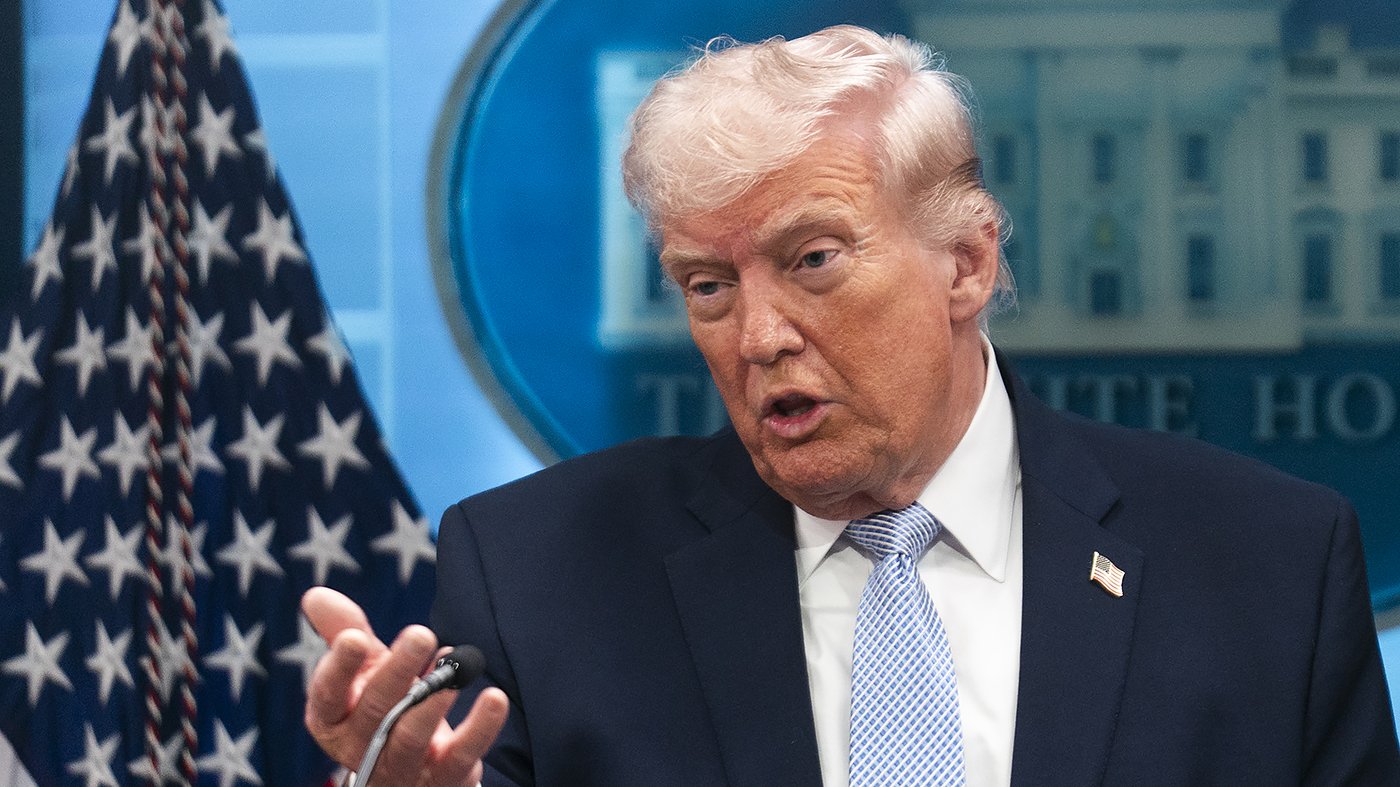
President Donald Trump issued a stark economic threat on Wednesday, declaring that any nation supplying military weapons to Iran would face immediate 50 percent tariffs on all goods exported to the United States. The warning, delivered via his Truth Social platform, stated there would be "no exclusions or exemptions," marking a significant escalation in his administration's pressure campaign against Tehran.
Ceasefire Context and Contradictions
This tariff threat arrives less than 24 hours after the President announced a tentative two-week ceasefire agreement with Iran, contingent on Tehran fully reopening the strategic Strait of Hormuz. The deal followed Trump's extraordinary public threat to destroy Iran's "whole civilization" if negotiations failed, a statement that prompted assurances of military readiness from Pentagon officials.
The ceasefire itself emerged from eleventh-hour discussions involving Pakistani leadership. Trump claimed the pause in hostilities was possible because the U.S. had "already met and exceeded all Military objectives" and was progressing toward a "definitive Agreement concerning Longterm PEACE with Iran." However, the specific nature of these objectives remains unclear, with the administration's demands appearing to shift.
Iran's Proposal and Unresolved Issues
According to the President, Washington received a 10-point proposal from Iranian officials that he described as "workable." The plan reportedly includes the reopening of the vital waterway, guarantees against future U.S. attacks, a comprehensive lifting of sanctions, and an end to Israeli military operations in Lebanon. Trump suggested that "almost all" previous points of contention had been resolved, requiring only a finalization period.
This diplomatic maneuvering has already triggered significant market reactions, with global oil prices tumbling sharply on news of the temporary ceasefire. The President has concurrently floated unconventional economic ideas for the region, including a potential joint U.S.-Iran venture to manage tolls in the Strait of Hormuz.
Despite the optimistic tone from the White House, fundamental disagreements persist. A core U.S. demand—that Iran abandon any pursuit of nuclear weapons—remains a point of public contradiction. Trump asserts this goal has been achieved, while Iranian officials have not publicly confirmed any such concession. The administration's mixed signals have drawn criticism, with some analysts, like those cited in a recent commentary, warning against a recurring cycle of crisis diplomacy.
The new tariff threat introduces a fresh layer of complexity, potentially ensnaring third-party nations in the U.S.-Iran standoff. By leveraging America's immense consumer market as a punitive tool, Trump aims to economically isolate Iran's military. This move could strain relations with allies and trading partners, adding a volatile economic dimension to an already tense geopolitical situation.
As the two-week ceasefire window begins, the path forward is fraught with uncertainty. The Pentagon is expected to publicly detail its formal stance on Iran following the President's decision to pause military strikes. Meanwhile, the dual strategy of offering a ceasefire while threatening severe economic penalties against Iran's potential suppliers underscores the administration's attempt to combine diplomacy with maximum pressure, a high-risk approach with global implications.