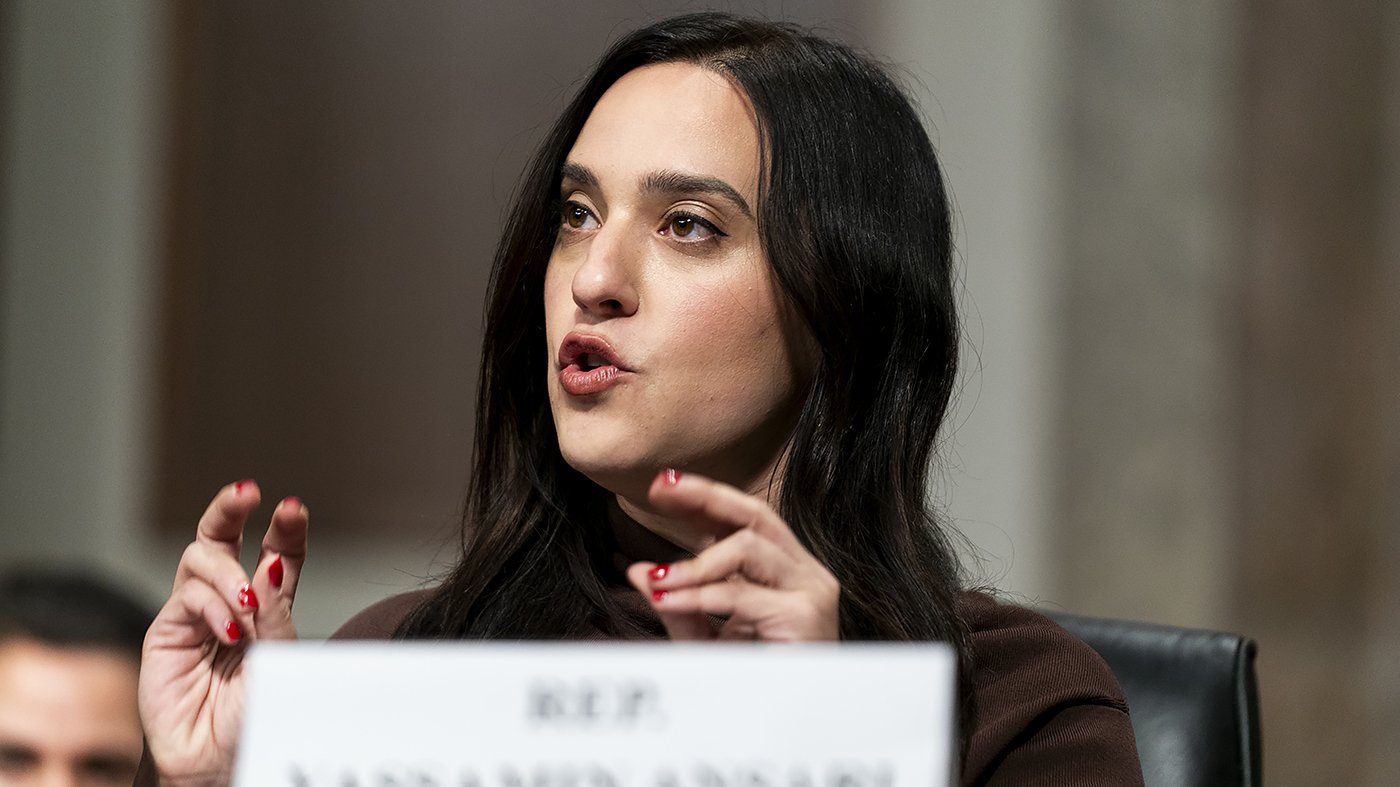
Congresswoman Yassamin Ansari, an Arizona Democrat, issued a sharp rebuke Wednesday to colleagues making light of former President Donald Trump's temporary ceasefire with Iran, specifically targeting memes suggesting "Trump Always Chickens Out." Ansari, who is Iranian American, argued the moment demands seriousness about the preservation of life, not partisan mockery.
A Call for Seriousness Amid Threats
"I do not appreciate anyone—Democrat or Republican—taking this moment to make jokes to say Trump 'chickened out,'" Ansari wrote on social media. "The president was threatening genocide against 90 million Iranians." She expressed gratitude for the ceasefire preventing immediate bloodshed, but framed the reprieve within a broader critique of Trump's foreign policy conduct, which she described as a dangerous cycle of escalation and claimed victory.
Trump announced the two-week pause in hostilities late Tuesday, just before a deadline for U.S. strikes, declaring it a "total and complete victory." The deal reportedly includes Iran reopening the strategic Strait of Hormuz. Earlier that day, Trump had warned Iran that its "whole civilization will die" without an agreement, rhetoric that drew condemnation from lawmakers and legal experts who raised concerns about potential war crimes.
From Ceasefire to 'Joint Venture'
In a rapid pivot, Trump suggested on Wednesday the possibility of a "joint venture" with Iran to charge tolls on vessels transiting the Strait of Hormuz, a critical chokepoint for roughly 20% of the world's oil. This proposal, alongside his declaration of a uranium enrichment ban, forms part of his evolving posture, detailed in our report on his latest demands and economic proposals for Iran.
Ansari dismissed this pattern as predictable. "This is the Trump cycle," she said during a television appearance. "He creates a crisis. He then tries to tell the American people that he's solved the crisis and then he reverses course, and that's exactly what's happened with the ceasefire and with the Strait of Hormuz." She has also been critical of strikes on civilian infrastructure ordered by Trump and Defense Secretary Hegseth during the conflict.
Focus on Iranian People, Not Regime
Turning to the human dimension, Ansari challenged Trump's professed concern for the Iranian people. "Donald Trump pretends like he cares about Iranian people. I mean, as you and I well know, he doesn't care about American people, so of course he does not care about Iranian people," she stated. Instead, she urged a focus on the populace's desire for freedom from the regime and open communication with the West.
She described Iran as a civilization with thousands of years of history, a "beautiful country with beautiful people, very vibrant culture, generally very pro-West." Ansari highlighted the Iranian government's months-long internet blackout, arguing the people need unrestricted online access and global advocacy for political prisoners. Her comments underscore a central tension in U.S. policy: navigating relations with a hostile regime while supporting the aspirations of its citizens.
The ceasefire and its aftermath are unfolding amid broader international scrutiny. Key U.S. allies have expressed reservations, with Israeli opposition leader Yair Lapid denouncing the agreement as a strategic failure. Meanwhile, the Pentagon is expected to detail its formal stance following the extended pause in military action, even as Trump engages with NATO leaders on alliance concerns intertwined with the Iran crisis.
Ansari's intervention reflects a deeper debate over the tenor of political discourse during international crises and the substantive policy path forward. As the temporary ceasefire holds, questions remain about the durability of the agreement, the feasibility of Trump's proposed economic ventures, and the long-term strategy for a region perennially on the brink of wider conflict.