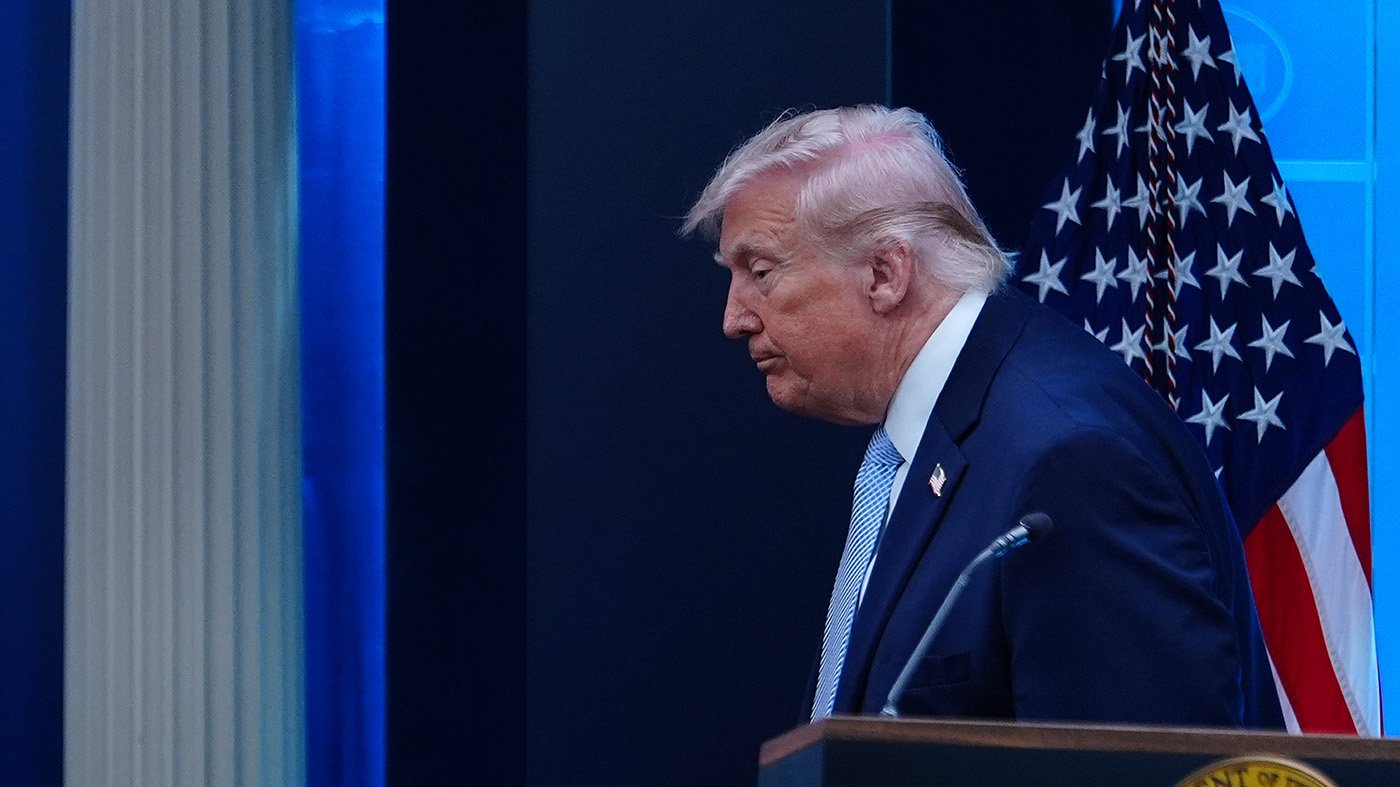
President Trump's escalating threats to strike civilian infrastructure in Iran if the regime does not reopen the Strait of Hormuz have triggered a serious debate among legal experts and military officials about potential violations of international humanitarian law. His public warnings mark a stark departure from the restrained rhetoric traditionally employed by U.S. commanders-in-chief regarding targeting decisions.
For weeks, Trump steadily intensified his demands over the vital shipping lane, which Iran has blocked since late February. He promised attacks on Iranian power plants and bridges, warning such strikes would send the country "back to the Stone Ages." The immediate crisis appeared to de-escalate Tuesday evening when Trump announced a two-week ceasefire had been agreed upon, just hours before his 8 p.m. deadline for a deal. This development follows earlier diplomatic maneuvers to avert open conflict.
However, the president's prior rhetoric has left a lasting impression. On Easter Sunday, he ordered Tehran via social media to "Open the F---in' Strait, you crazy bastards, or you'll be living in Hell." On Tuesday morning, he posted that "a whole civilization will die tonight, never to be brought back again" if Iran failed to comply. Legal scholars argue that deliberately targeting civilian infrastructure—including power plants, desalination stations, and bridges—constitutes a violation of the Geneva Conventions, which strictly limit attacks to military objectives.
Legal Experts Sound the Alarm
Rachel VanLandingham, a retired Air Force lieutenant colonel and former judge advocate, expressed deep concern. "The military right now is trying to translate the commander's intent into lawful military objectives, but what can be lawful is awful," she said. She explained that while the law of war permits significant destruction, it requires a direct link between a target and military operations. "You have to find that connection to where's the effective contribution to the military operations," VanLandingham stated, warning that Trump's language creates a "stretching effect" that could lead to justifying more targets and greater civilian suffering.
Brian Finucane, a former State Department lawyer now with the International Crisis Group, called Trump's comments "unprecedented." He clarified that while a specific bridge used for military transport could be a lawful target, a blanket threat against all bridges crosses a line. "The present statements that attack all of them means that they're attacking civilian objects as well, which would be a war crime," Finucane told The Hill. He also raised concerns that Defense Secretary Pete Hegseth's restructuring of the Pentagon, including the firing of top uniformed lawyers, is eroding institutional safeguards for lawful targeting.
When asked Monday how attacks on civilian infrastructure would not be war crimes, Trump responded by citing Iranian human rights abuses: "They killed protesters. They're animals. And we have to stop them, and we can't let them have a nuclear weapon, very simple." This justification does not align with the principles of distinction and proportionality under international law, experts contend.
Broader Political and Diplomatic Repercussions
The controversy has reverberated through Washington and allied capitals. The United Nations issued a pointed reminder on social media that "even wars have rules." Domestically, the threats have spurred legislative action and condemnation from both sides of the aisle. Notably, Senator Lisa Murkowski has condemned Trump's 'civilization' threat as unacceptable, highlighting growing unease within his own party. Furthermore, a House Democrat has filed impeachment articles over the Iran war threats, and Representative Henry Cuellar has shifted to support a War Powers Resolution to check presidential authority, as detailed in our coverage of his changed stance.
The crisis also strains the NATO alliance, which is grappling with how to respond to a potential U.S.-Iran conflict while managing internal cohesion, a topic explored in our report on NATO's dual crises. The Pentagon is expected to brief on the details of the fragile ceasefire in the coming days.
Ultimately, while the immediate military threat has paused, the president's rhetoric has ignited a fundamental debate about the limits of presidential war powers, the U.S. commitment to the laws of armed conflict, and the potential legal jeopardy for service members ordered to carry out strikes on civilian targets. The episode underscores the volatile intersection of geopolitical strategy, domestic politics, and international legal norms.