Fuel prices continue their upward trajectory, with diesel reaching unprecedented levels in multiple states and gasoline inching closer to the historic highs witnessed two years ago. New data from AAA reveals a stark regional divide in energy costs, placing significant pressure on the trucking industry and broader supply chains.
Gasoline Nears Previous Peaks
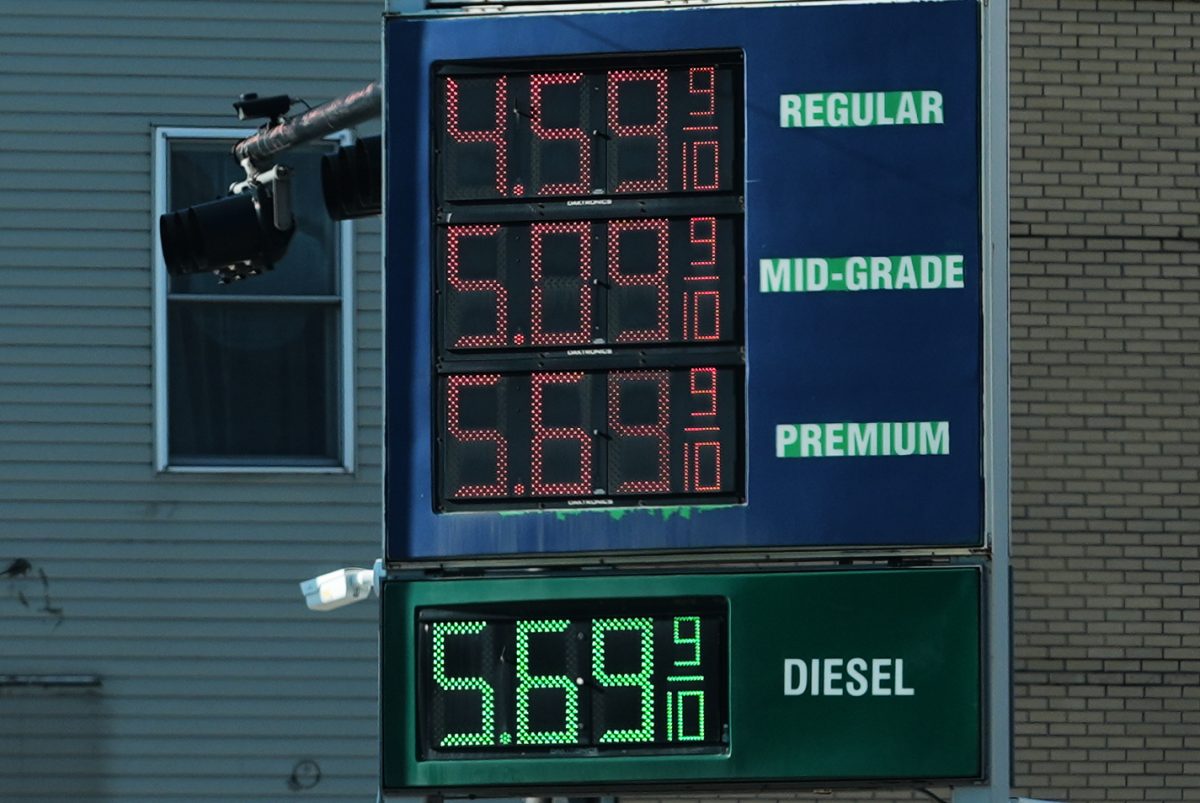
The national average for a gallon of regular gasoline now stands at $4.14, having crossed the $4 threshold late last month for the first time in approximately four years. While this remains substantially below the national record of $5.016 set in mid-June 2022, several states are rapidly closing that gap. Eight states are currently within 75 cents of their all-time highs.
Hawaii leads this trend, with its average price of $5.604 per gallon sitting a mere two cents below its July 2022 peak. California, home to the nation's most expensive gasoline at $5.93 per gallon, is roughly 50 cents off its record. Conversely, states like Oklahoma and North Dakota remain about $1.31 per gallon below their 2022 highs, illustrating the wide geographic disparity in fuel costs.
Diesel Shatters Records
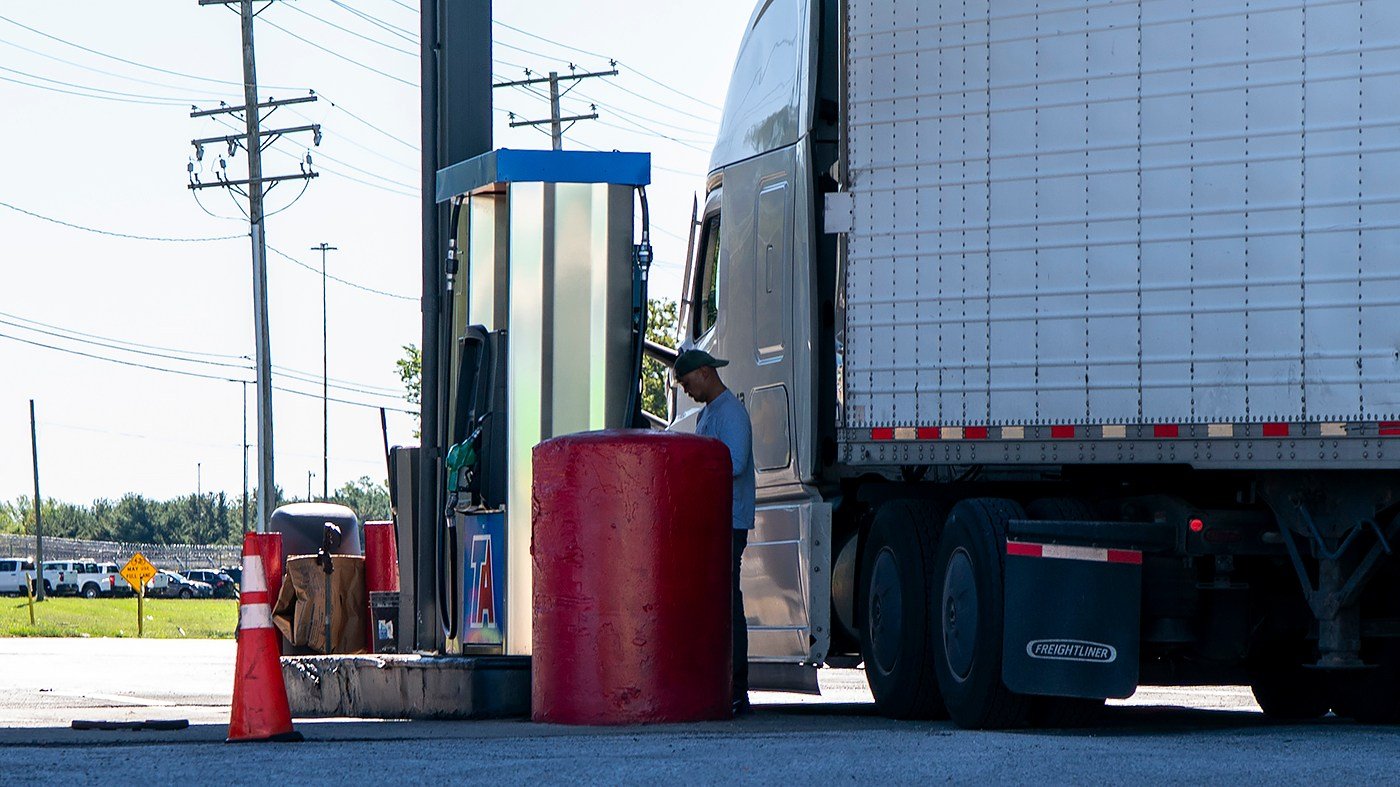
The situation is more acute for diesel fuel, a critical component for freight and agriculture. As of Tuesday, six states—California, Hawaii, Washington, Nevada, Arizona, and North Carolina—have seen average diesel prices surpass their previous records. The national average for diesel is $5.646 per gallon, just 17 cents below the 2022 record.
Four additional states—Virginia, South Carolina, Texas, and Maryland—are within a nickel of their diesel price records. This surge directly impacts the cost of transporting goods, a key factor in broader inflation. Only eight states, primarily in the Midwest and Plains, maintain diesel averages below $5 per gallon, with Oklahoma being the cheapest at $4.636.
Geopolitical and Market Pressures
The sustained rise in fuel costs occurs against a backdrop of renewed geopolitical tensions impacting global oil markets. Recent disruptions have contributed to a volatile pricing environment, with ripple effects felt across the energy sector. The pressure is not confined to ground transportation; commercial aviation is also grappling with soaring jet fuel prices, leading to flight cuts and higher fares.
This persistent energy inflation presents a complex challenge for the administration, intersecting with economic and foreign policy. The political ramifications are tangible, as voter sentiment often correlates with pain at the pump. The current price spike echoes the sharp increases seen following previous regional conflicts, underscoring the market's sensitivity to supply threats.
Economic and Political Implications
Record diesel prices translate directly into higher costs for shipping and agriculture, which are likely to filter through to consumer prices for a vast array of goods. This creates a secondary inflationary wave beyond what drivers experience directly at the gasoline pump. The regional concentration of record diesel prices on the West Coast and in select eastern states suggests specific logistical or regulatory pressures in those markets.
With the national gasoline average having firmly re-established itself above $4, and key states hovering near records, energy costs remain a potent economic and political issue. The data indicates that while the worst of the 2022 price shock has not been universally repeated, significant pockets of the country are experiencing fuel costs at or near crisis levels, with no immediate relief in sight given ongoing market instability.