Former Ally Delivers Frank Character Assessment
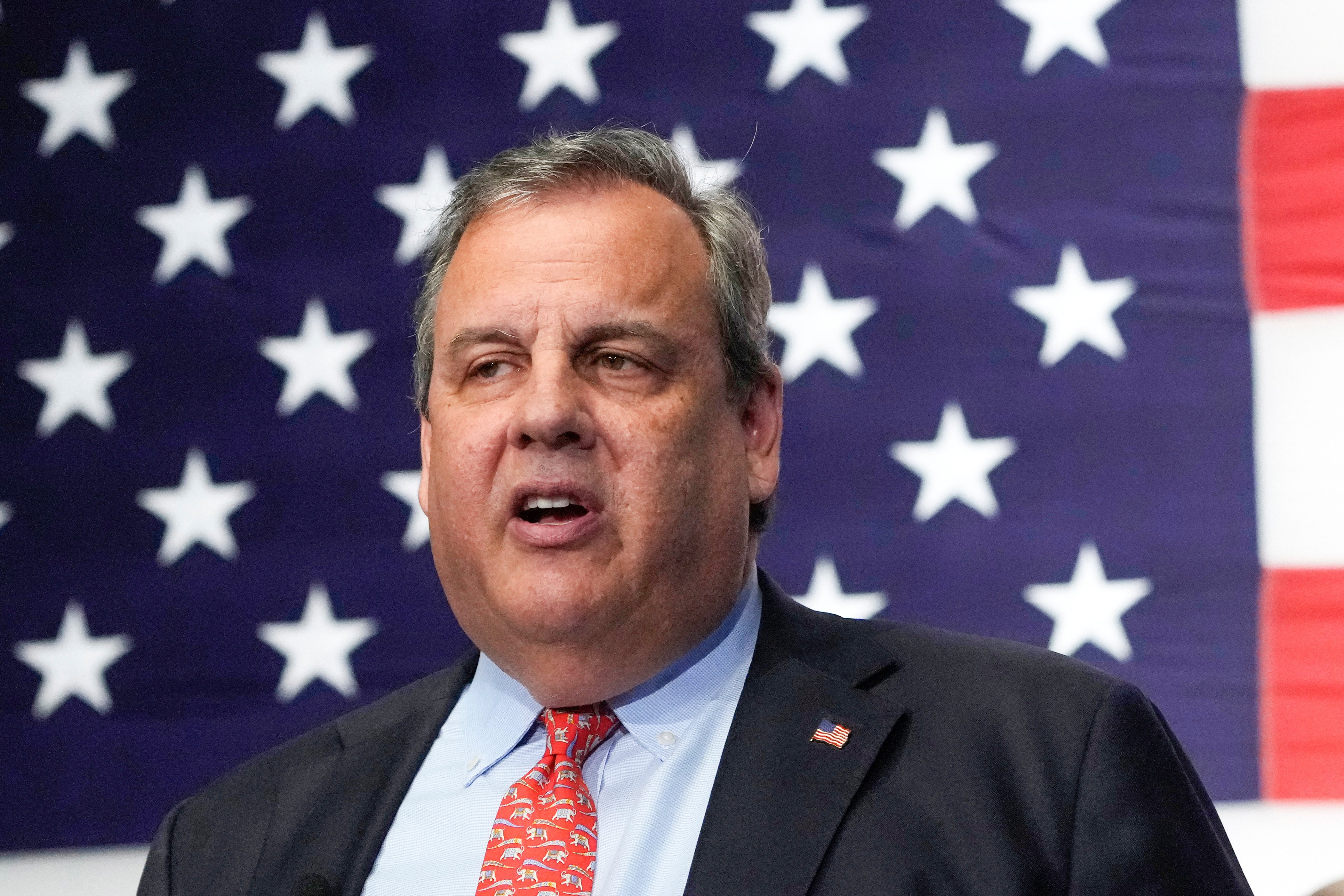
In a candid public appearance, former New Jersey Governor Chris Christie, a one-time key adviser to Donald Trump, dissected the President's political persona with unsparing language. Speaking at Harvard University's Kennedy School of Government, Christie framed Trump as a leader driven by deep-seated personal traits that define his tumultuous governance.
"He is undisciplined, immature, and narcissistic, but he is not stupid," Christie stated, emphasizing a distinction he believes is crucial for political opponents to understand. "That is another problem Democrats have. They think he is stupid. He is not stupid. That is not one of his sins."

A President 'Flailing' as Pressure Mounts
Christie, who assisted with debate preparation during Trump's 2016 campaign, argued the President's recent behavior stems from a perception of slipping control. "He knows he is in trouble," Christie said. "When that happens, he flails, and that is what he is doing now. That is the way to explain what you see now." He suggested Trump's instinct when cornered is to escalate rhetoric and conflict indiscriminately. "When Trump gets himself worked up into a lather, he will say or do anything to get what he wants," Christie told the audience in Cambridge, Massachusetts.
The former governor pointed to declining political fortunes as the catalyst. "What is happening now, in my opinion, is that he feels the presidency slipping away," he noted, citing eroding approval among independents and concerning signals within the Republican base. He referenced a recent YouGov/The Economist poll showing only 35% of Americans approving of Trump's job performance, with 58% disapproving.
Critique Extends to Congressional Enablers
Christie did not limit his criticism to the Oval Office, taking direct aim at lawmakers he accused of failing to provide a check on the President. He presented Senator Lindsey Graham as the prime example of this dynamic. "This is a man who only cares about his title. Nothing else. Absolutely nothing else," Christie asserted. "He is a vapid, vacant human being. And for him to say the things he has said about Donald Trump in the past, and all he wants to do is suck up and play another round of golf and pray that he gets the endorsement for the United States Senate."
This lack of accountability from figures like Graham, Christie argued, directly impacts the President's core supporters. He suggested the base is being misled by leaders who prioritize access and favor over principle, allowing Trump's conduct to continue unchecked. This analysis comes amid a period of heightened tension for the administration, including public disputes with conservative media figures and a fraught foreign policy stance.
Strategic Intelligence Amidst Personal Chaos
The core of Christie's argument rests on separating Trump's volatile temperament from his political instincts. While painting a picture of a man governed by impulse and self-absorption, Christie insisted these flaws exist alongside a calculating, survival-oriented intelligence. This warning serves as both an analysis and a strategic memo to those seeking to challenge Trump, suggesting that attacks focused solely on his demeanor may miss the mark against a resourceful political combatant.
Christie's remarks underscore a persistent tension within the Republican assessment of Trump: acknowledging the chaos that surrounds him while respecting the potent political force he represents. The critique arrives as the administration faces complex international challenges, including pushing against Iranian defiance and managing the global fallout from its threats, which have prompted reminders of international law from bodies like the UN.
The former governor's stark portrayal offers a window into the frustrations of some former insiders, even as it reinforces the notion that Trump's opponents must contend with both his visible weaknesses and his less obvious strengths. As the political cycle intensifies, assessments like Christie's will likely fuel debates over the most effective lines of attack against an incumbent who consistently defies conventional political analysis.