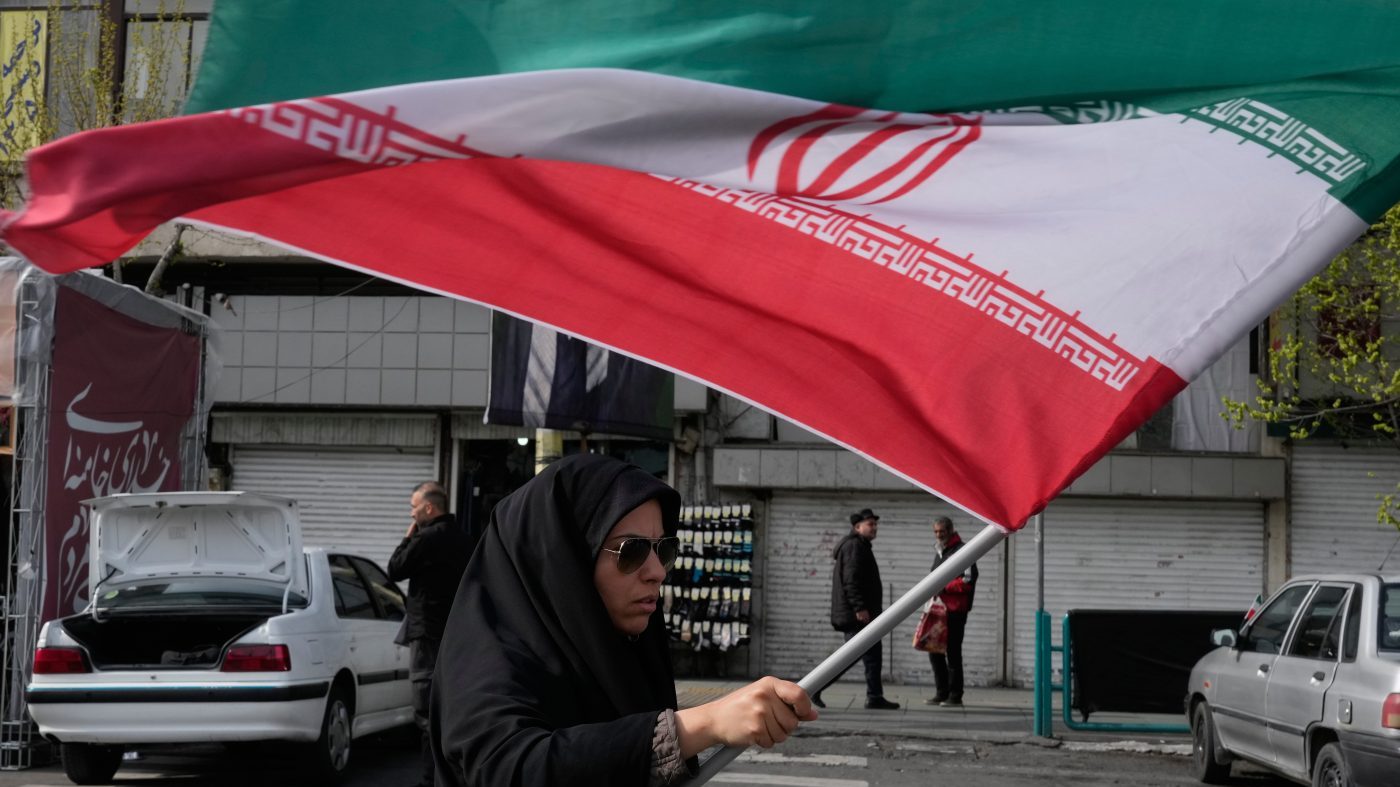
Iranian officials issued a sharp rebuke to President Trump on Tuesday, dismissing his latest ultimatum and framing the escalating confrontation as a battle between a "civilized" nation and raw military power. The rhetorical volley came as a presidential deadline for Tehran to submit a comprehensive peace proposal and reopen the critical Strait of Hormuz passed at 8 p.m. Eastern Time.
Foreign Ministry spokesperson Esmaeil Baqaei responded directly to Trump on social media, writing that "the power of a civilized nation's culture, logic, and faith in its righteous cause will undoubtedly prevail over the logic of brute force." He added that Iran would mobilize all its resources to protect its rights, concluding his statement with the hashtag #IranWillWin.
A Presidential Warning and a Diplomatic Retort
Earlier in the day, President Trump had intensified pressure with a stark warning posted to his social media platform. "A whole civilization will die tonight, never to be brought back again. I don't want that to happen, but it probably will," he wrote. The president suggested that with "Complete and Total Regime Change," where "different, smarter, and less radicalized minds prevail," a positive transformation could occur.
The Iranian government was quick to counter this narrative. Spokesperson Fatemeh Mohajerani stated that "no threat can bring down a civilization rooted in the Cyrus Cylinder and the spirituality of Islam." She emphasized that national security remained the government's paramount concern and that all state affairs were being managed with precision. The reference to the ancient Cyrus Cylinder, often cited as an early charter of human rights, was a deliberate effort to position Iran's historical identity against what it portrays as American aggression.
Domestic Political Fallout in Washington
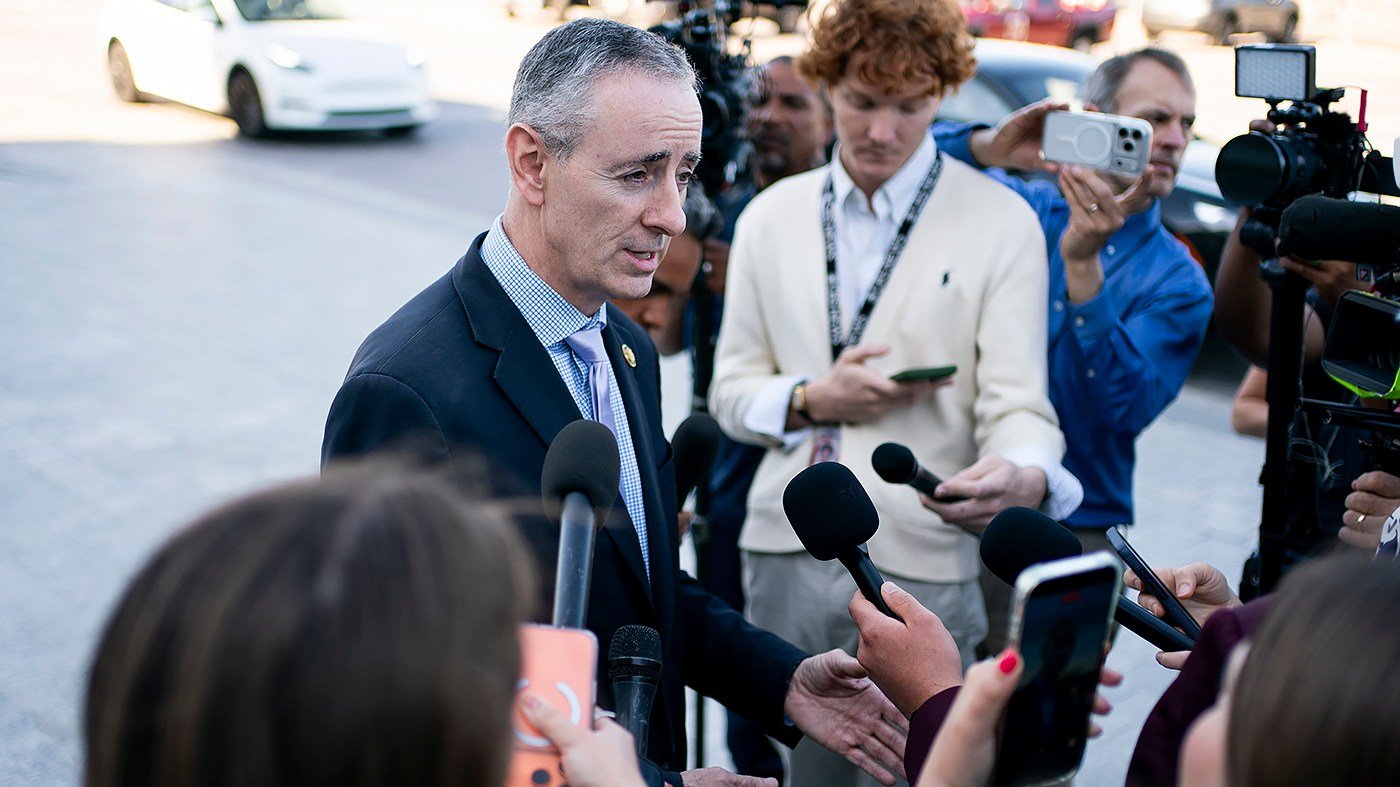
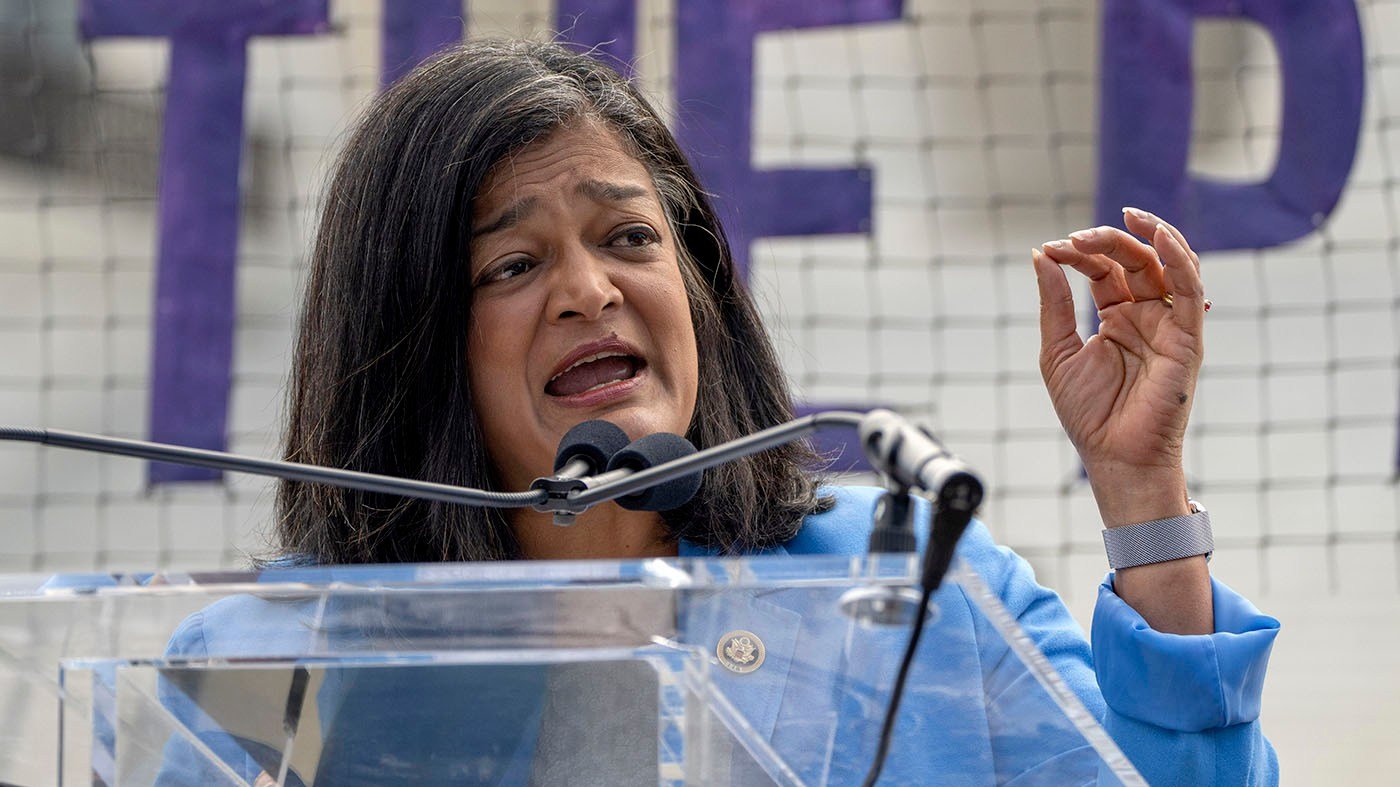
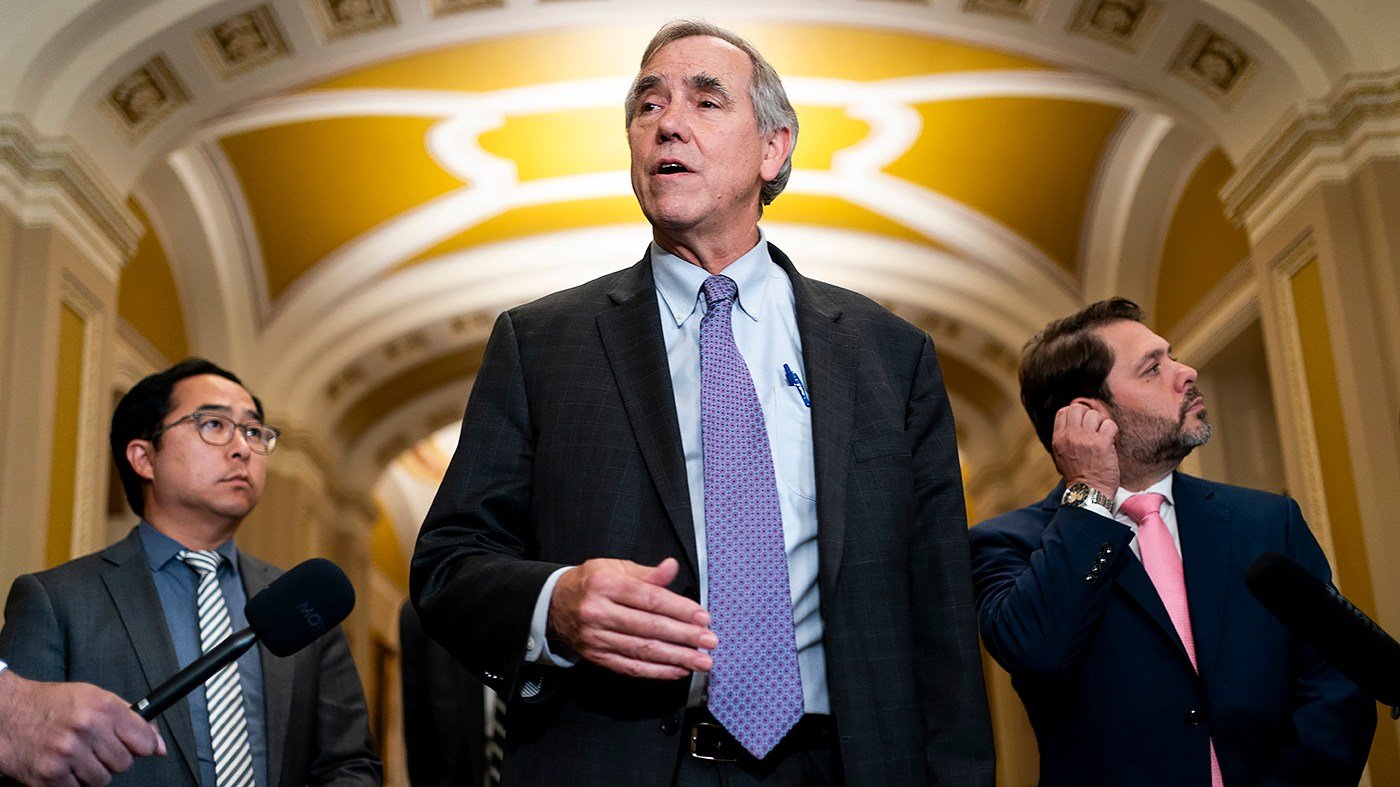
The president's comments triggered immediate condemnation from Democratic lawmakers, several of whom accused him of threatening acts that could constitute war crimes. Calls were made for impeachment proceedings or for Cabinet members to invoke the 25th Amendment to remove him from office. Some Democrats urged Republican colleagues to publicly challenge the president's stance.
Representative Joaquin Castro (D-Texas) suggested the threat implied Trump "is either considering using a nuclear weapon or wants Iran to believe he would," and demanded clarification from the White House. This concern was amplified by Vice President Vance's earlier remark that the U.S. possessed "tools in our tool kit that we so far haven't decided to use." The White House subsequently denied any intention to use nuclear weapons.
In Trump's defense, Representative Mike Lawler (R-N.Y.) argued the president was "not talking about obliterating innocent people" but applying maximum pressure. The administration maintained an aura of strategic ambiguity, with press secretary Karoline Leavitt stating previously that only Trump "knows where things stand and what he will do."
Broader Strategic Context
The crisis unfolds against a backdrop of regional volatility and global energy insecurity. The Strait of Hormuz is a vital chokepoint for global oil shipments, and its closure would have immediate, severe consequences for fuel prices worldwide, potentially exacerbating existing economic pressures. The standoff also intersects with other major conflicts, including the war in Ukraine, where shifting military dynamics continue to reshape U.S. foreign policy priorities.
Furthermore, the administration's approach reflects a broader, confrontational stance toward nations it deems adversarial, a strategy that extends to economic and technological domains like reducing critical supply chain dependencies. The immediate future hinges on whether Iran's defiance is met with military action, further sanctions, or a diplomatic off-ramp, as the world watches one of the globe's most tense flashpoints.