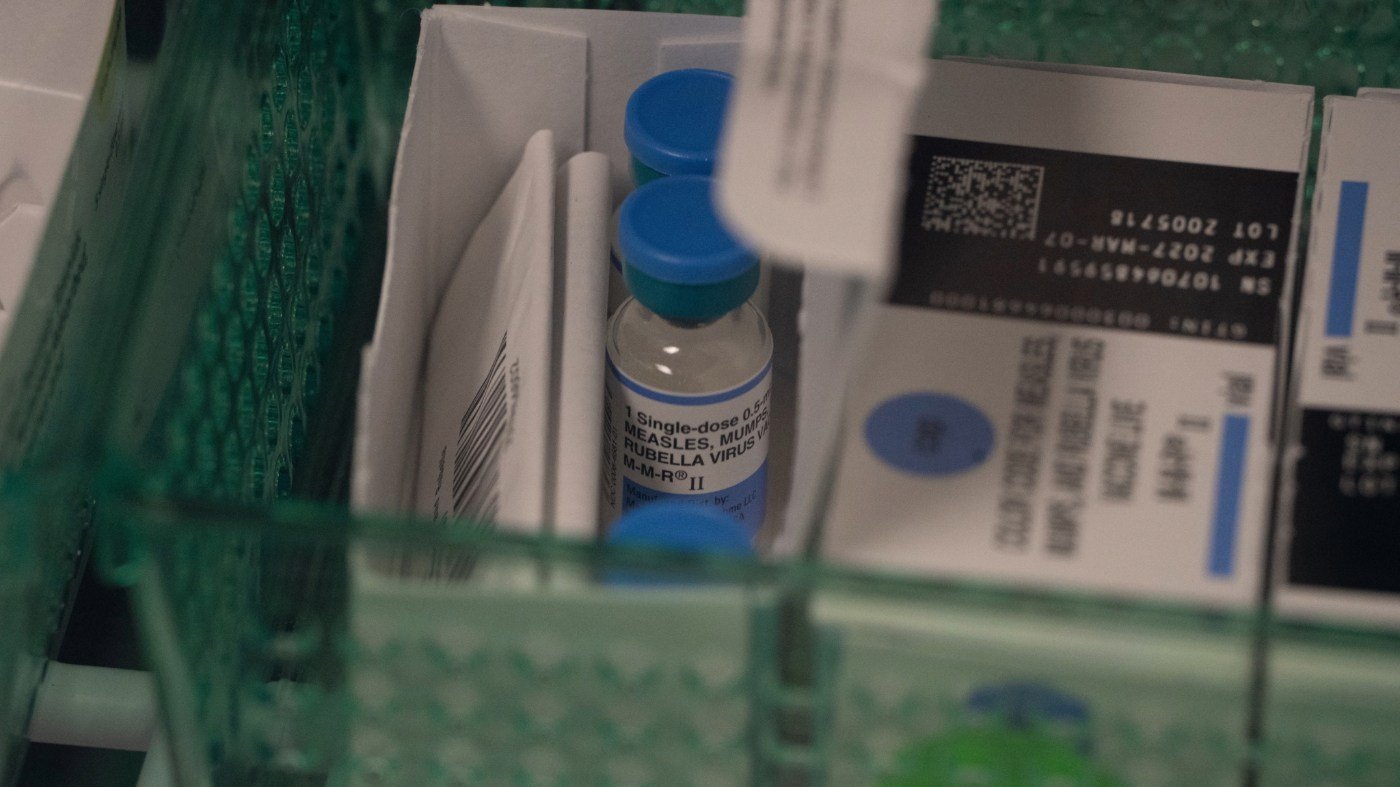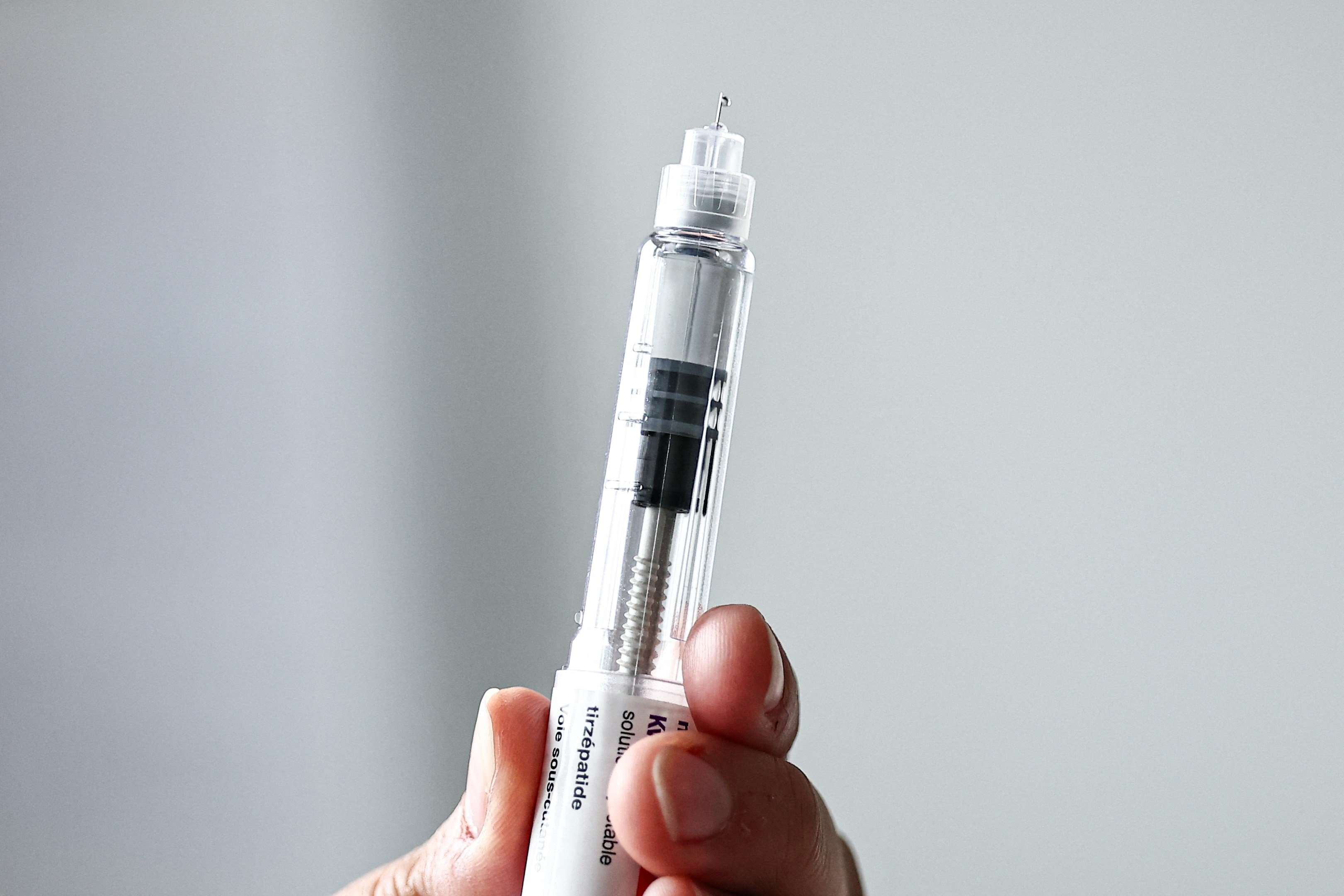
The U.S. Food and Drug Administration has issued a recall for 23 compounded GLP-1 vials produced by Apothecary Pharma LLC, a North Carolina-based compounding pharmacy, due to a lack of assurance that the products are sterile. The recall, classified as Class II, indicates that exposure to these products could lead to reversible or temporary health issues, with a low probability of serious adverse consequences.
Affected Products and Lot Numbers
The recall covers 22 vials of Tirzepatide Injection, 18 mg/mL, 4 mL Sterile Multi-Dose Vials, labeled for prescription use only. Tirzepatide is the active ingredient in the brand-name drugs Zepbound and Mounjaro. The affected lot numbers range from AP-202622 to AP-202644, with beyond-use dates spanning from October 2026 to November 2026. Additionally, one vial of NAD+ Injection, 200 mg/mL, 6 mL Sterile Multi-Dose Vial, lot AP-202647, with a BUD of October 13, 2026, is also included in the recall.

Regulatory Background
This is not the first time Apothecary Pharma has faced regulatory scrutiny. In December 2025, the FDA sent a warning letter stating that investigators found drug products intended to be sterile were prepared, packed, or held under insanitary conditions, potentially leading to contamination and adulteration under federal law.
Compounded drugs, including these GLP-1s, are not FDA-approved and do not carry brand-name status. While compounding pharmacies can tailor medications to individual patient needs, these products are not subjected to the same rigorous safety, efficacy, and purity checks as commercially manufactured drugs, according to Harvard Health Publishing.
The FDA had permitted bulk production of GLP-1 drugs during a shortage that began in 2022. However, tirzepatide and semaglutide were removed from the drug shortage list in late 2024 and early 2025, yet some compounders continue to produce them.
Consumer Guidance
As of now, no illnesses have been linked to this recall. The FDA has not issued specific instructions for consumers who have purchased the recalled vials, but it advises patients to stop using the products and consult their healthcare provider for guidance. For context, similar recalls have occurred in other sectors, such as the recent Walmart fruit cocktail recall over lead contamination, highlighting the importance of regulatory oversight.
This recall underscores the ongoing concerns about the safety of compounded medications, particularly as demand for GLP-1 drugs continues to rise. Patients using these products should verify their lot numbers and stay informed about updates from the FDA.