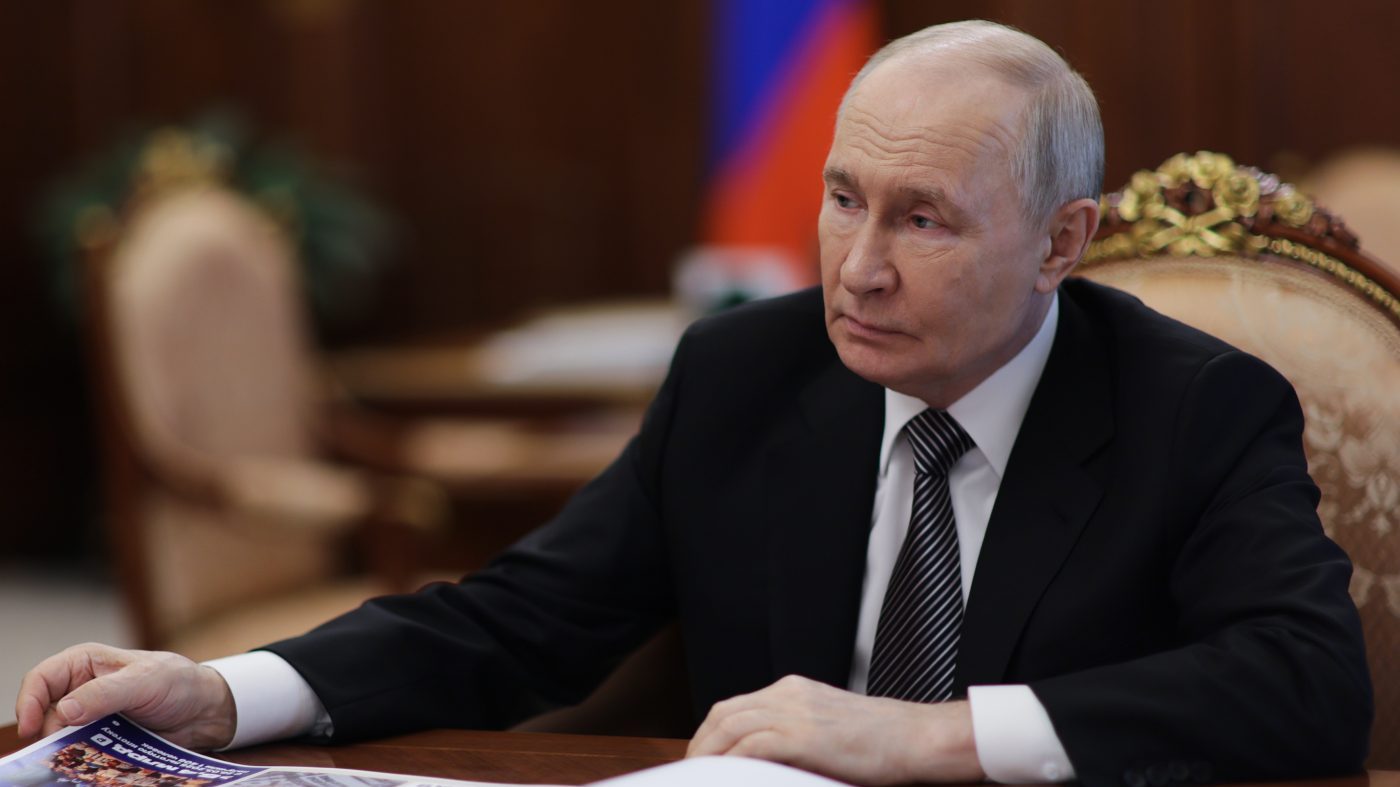
Russian President Vladimir Putin has conceded that no agreement was reached with former President Donald Trump to end Moscow's war in Ukraine, directly contradicting months of Kremlin assertions that a deal was struck during their summit in Anchorage, Alaska, last August.
"There were indeed no agreements reached in Anchorage," Putin told state television on Sunday. "Nobody signed anything, but we discussed certain possibilities for ending the conflict in Ukraine, and the compromises that were discussed were precisely those proposals that were put forward by the American side to us."
The admission marks a sharp reversal for the Kremlin, which had repeatedly touted the Alaska meeting as a diplomatic turning point. Russian officials had claimed the summit produced a roadmap for peace that was blocked only by Ukrainian intransigence. At the time, Putin declared the supposed agreement would "pave the path toward peace in Ukraine." Trump, however, was more cautious, telling reporters the meeting was "extremely productive" but adding, "there's no deal until there's a deal."
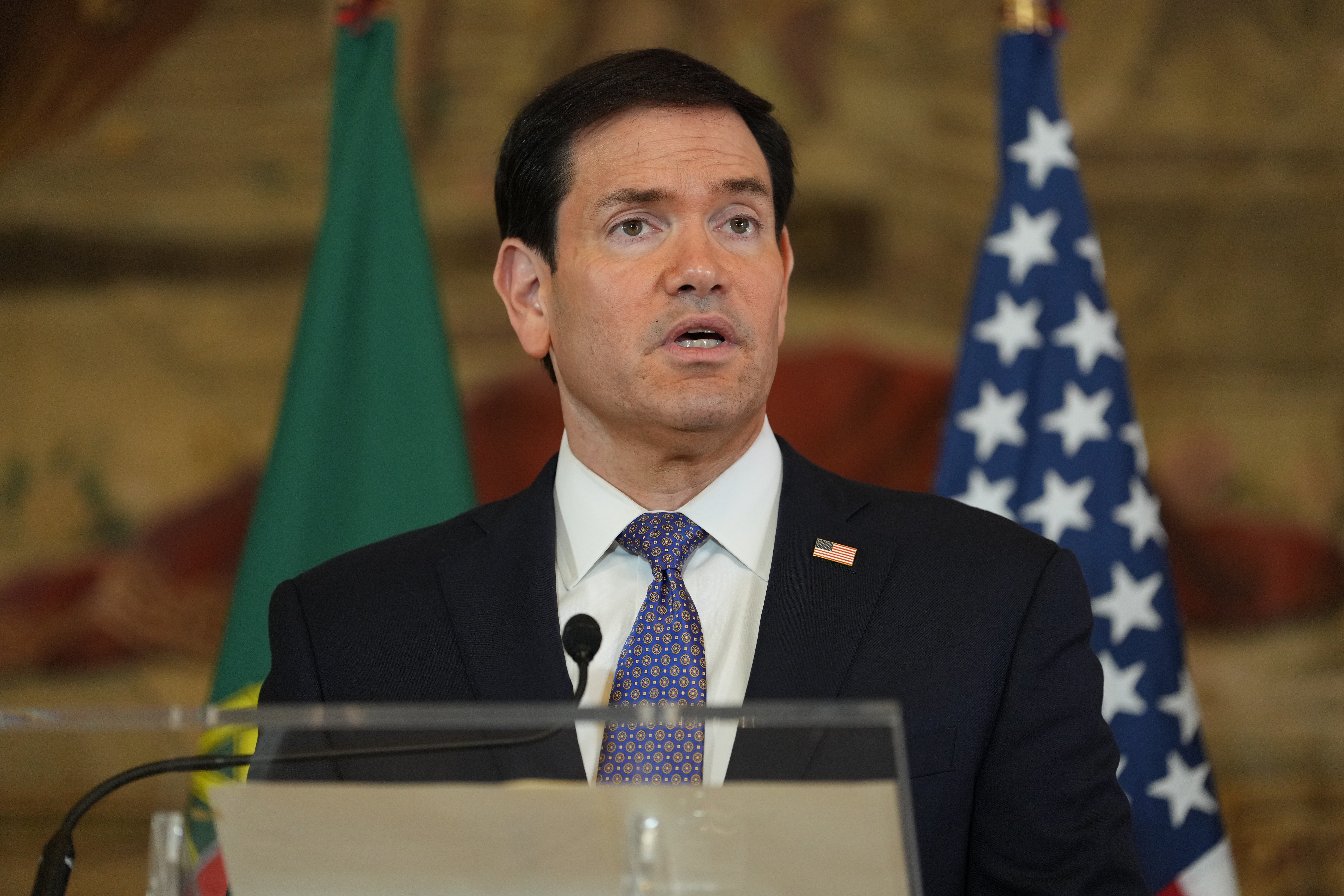
In recent weeks, top Kremlin officials had escalated accusations that the Trump administration failed to honor the purported deal. Foreign Minister Sergei Lavrov last week alleged the summit was a "U.S. ploy to buy time to rearm the Kyiv regime" and even claimed Putin had signed onto an American proposal. But Secretary of State Marco Rubio pushed back, telling reporters, "If there had been an agreement, we would have had an end of the war." He pointed to Moscow's maximalist demands as a key obstacle, noting, "Russia wants the entirety of Donetsk to be turned over to them, among some other things."
French President Emmanuel Macron earlier this month said Trump had acknowledged during G-7 talks that Russia did not genuinely seek peace in Ukraine. The rift between Trump and his own administration's assessment of Russian intentions has fueled speculation about the former president's approach to Moscow, particularly as the Supreme Court rejected Trump's appeal in the Carroll defamation case and as Trump vowed a legislative push after the court upheld birthright citizenship.
Putin's reversal comes as Ukraine regains battlefield momentum for the first time in years, reclaiming territory thanks in large part to its dominance in drone warfare, which has outflanked Russian forces. Kyiv has also intensified drone strikes deep inside Russia, on Tuesday claiming a hit on one of Moscow's largest satellite communication centers. The shifting dynamics on the ground are putting pressure on the Kremlin, but Putin appears determined to continue fighting. He said on Sunday that Russia expects renewed U.S.-led peace talks only after the "hot phase" of the Iran war is resolved, linking the Ukraine conflict to broader geopolitical tensions.
Putin also revealed that Ukraine had offered "new proposals" to halt fighting in the Kherson, Zaporizhzhia, Donetsk, and Luhansk regions, but he dismissed the offer as a distraction to allow Kyiv to replenish its forces. The statement underscores the deep stalemate in negotiations, even as the war grinds into its fifth year.