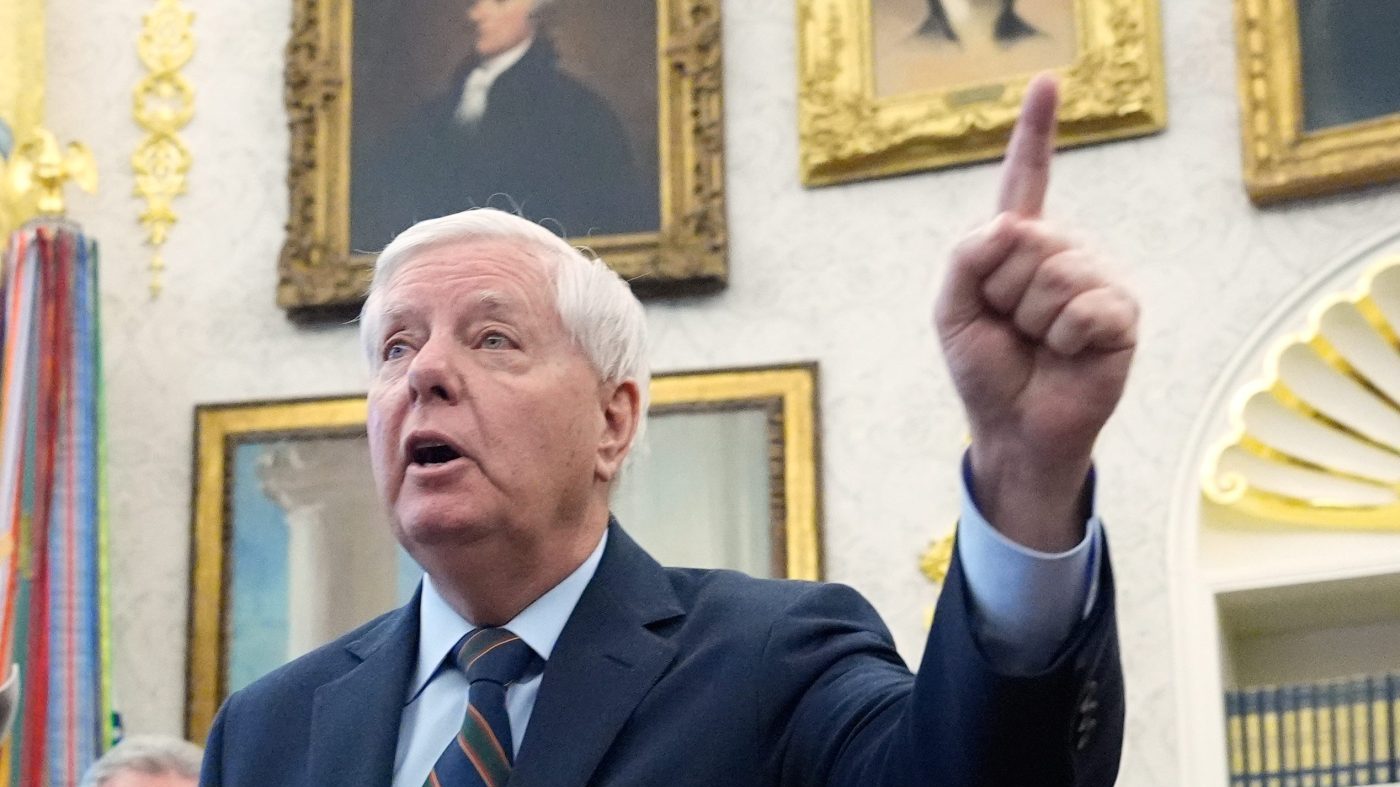
Senator Lindsey Graham (R-S.C.) has called for a formal congressional review and vote on the temporary ceasefire agreement reached between the United States and Iran, marking a notable shift for the traditionally hawkish lawmaker. While expressing guarded approval for the diplomatic effort, Graham insisted that legislative scrutiny is essential to verify the deal's substance.
In a statement posted late Tuesday, Graham thanked negotiators and affirmed a preference for diplomacy but emphasized the need to distinguish "fact from fiction or misrepresentation" in the agreement. "That's why a congressional review process like the one the Senate followed to test the Obama Iranian deal is a sound way forward," Graham wrote. "Fair and challenging questions with a full opportunity to explain, and a healthy dose of sunlight is generally the right formula to understand any matter."
Details of the Temporary Truce
The ceasefire was announced Tuesday evening, narrowly avoiding a self-imposed deadline set by President Trump for Iran to agree to terms or face military strikes against civilian infrastructure. Under the two-week truce, the United States will suspend its bombing campaign in exchange for Iran reopening the Strait of Hormuz, a vital maritime passage that has been closed to shipping for over a month.
President Trump stated on Truth Social that "almost all of the various points of past contention have been agreed to" and that the two-week period would allow finalization of the agreement. He added Wednesday that Iran would not enrich uranium under the deal and that the U.S. would work with Tehran to "dig up and remove" buried B-2 bombers, while discussing potential relief from tariffs and sanctions.
Graham's Specific Demands and Historical Context
In a separate post, Graham outlined specific conditions, demanding that all of Iran's approximately 900 pounds of highly enriched uranium be placed under U.S. control and removed from the country—a model he referred to as "the Libyan model." This stance aligns with long-standing U.S. policy that Iran must not be allowed to enrich uranium or possess nuclear weapons, a condition Tehran has historically rejected.
Graham's insistence on congressional involvement represents a departure from his recent position on executive war powers. Just weeks ago, he argued that President Trump did not need congressional authorization for initial strikes against Iran, telling NBC's 'Meet the Press' that he believes the War Powers Act is unconstitutional. This earlier stance mirrors the ongoing legal debates surrounding military authority, as seen when the DOJ provided legal review for potential strikes against Iran amid mounting war crime allegations.
The call for legislative oversight also comes amid heightened scrutiny of congressional ethics and procedure. Graham's demand for a rigorous review process contrasts with other recent congressional actions, such as the calls for expulsion of members facing ethics scandals, highlighting the varied approaches to accountability on Capitol Hill.
Neither Iran nor Pakistan, which helped mediate the talks, mentioned uranium or nuclear materials in their official statements about the ceasefire. The omission leaves a key point of contention unaddressed in public declarations, underscoring the complexity Graham seeks to examine. This diplomatic development follows a period of intense brinkmanship, including Graham's own warnings of imminent military action as Trump's deadline approached.
The proposed review would mirror the process applied to the 2015 Joint Comprehensive Plan of Action (JCPOA) under President Obama, which underwent extensive congressional hearings and debate. Whether the current administration will submit the agreement for such scrutiny remains uncertain, setting the stage for a potential constitutional and political clash over foreign policy authority in the coming weeks.