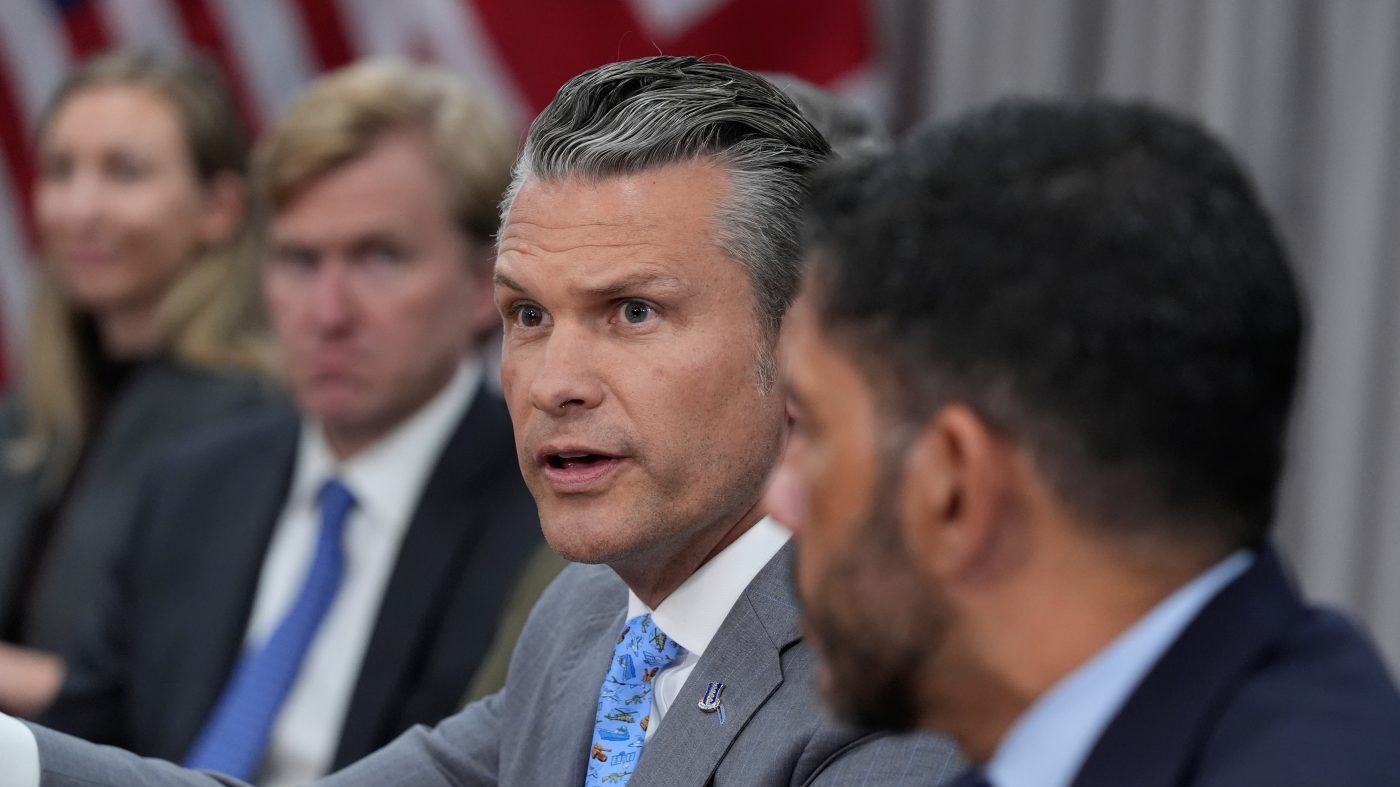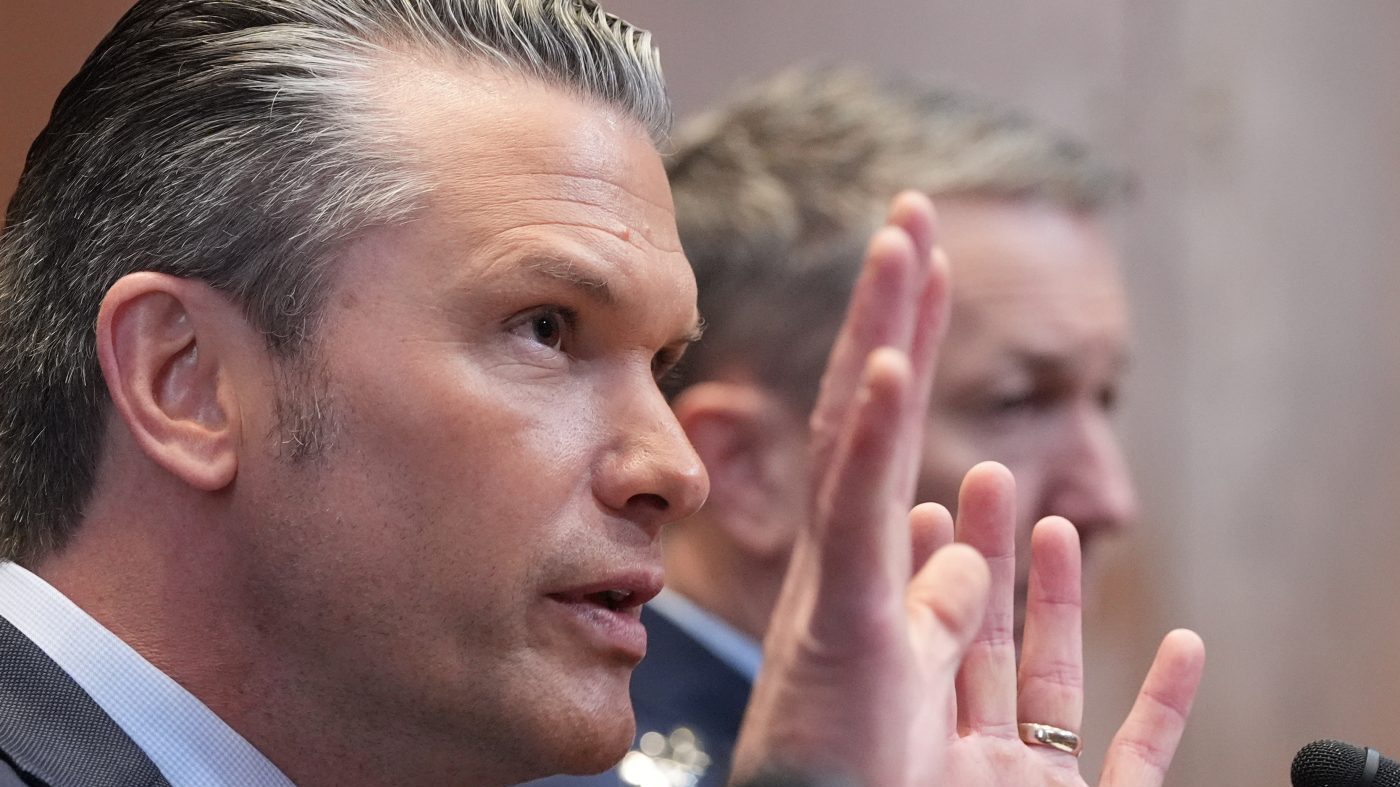
Defense Secretary Pete Hegseth on Monday unveiled the 15 members of a reconstituted Defense Policy Board, tapping former U.S. Trade Representative Robert Lighthizer to chair the advisory panel. The announcement comes just over a year after Hegseth purged the previous board as part of a broader push to align Pentagon advice with the Trump administration's strategic priorities.
Lighthizer, a key architect of President Trump's trade tariffs during his first term, will lead the board, which was originally established in 1985 to offer independent counsel on defense strategy and policy. Former Senator Norm Coleman (R-Minn.) will serve as vice chair.
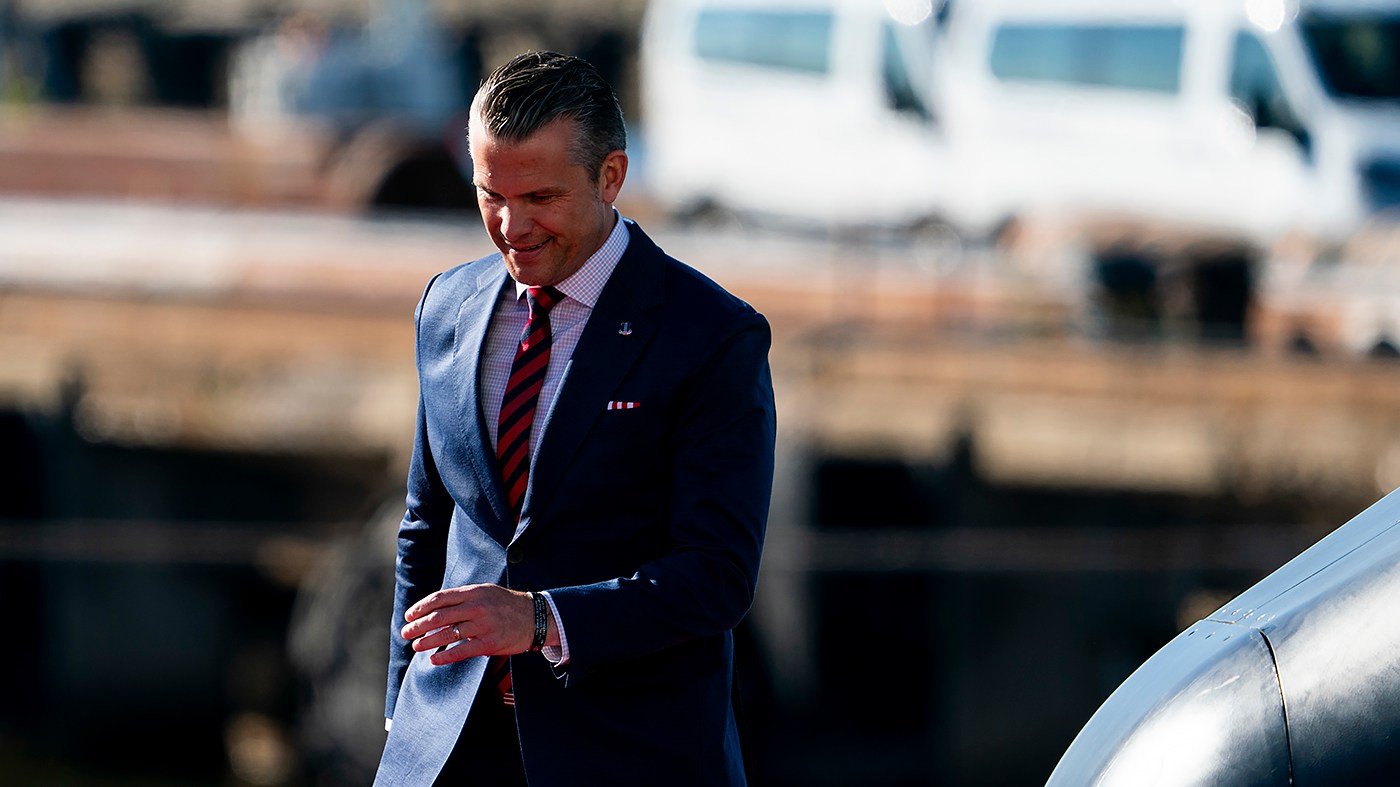
The Defense Policy Board is tasked with providing recommendations to the defense secretary, deputy defense secretary, and the Pentagon's policy chief on issues ranging from regional defense strategies and force structure to modernization and policy implications of U.S. military posture. Its revival follows Hegseth's decision last April to remove all members after an internal review, urging them to support what he called a new strategic direction for the Pentagon. The board was formally reestablished through a Federal Register notice in August.
Among the new appointees is venture capitalist Marc Andreessen, a general partner at Andreessen Horowitz, a firm with investments in defense contractors such as SpaceX, Skydio, Hadrian, and Anduril, as well as OpenAI. His inclusion underscores the Pentagon's growing reliance on Silicon Valley for cutting-edge technology. Other notable members include Blake Masters, a former Republican Senate candidate from Arizona, and Michael Anton, who served as director of policy planning at the State Department during the first Trump administration.
The shake-up of the advisory panel mirrors broader tensions within the defense establishment. Hegseth has faced criticism from lawmakers, including Senator Tim Kaine (D-Va.), who accused the defense chief of waging a personal vendetta in the ouster of a top Army general. Meanwhile, the firing of that general has sparked a rift within the GOP, highlighting the political stakes of Hegseth's overhaul of Pentagon leadership.
The new board is expected to align closely with Trump-era defense priorities, including a focus on great-power competition with China and a skepticism of multilateral commitments. Critics argue the panel's composition—dominated by Trump loyalists and tech executives—risks sidelining traditional military expertise. Supporters counter that the board reflects the need for fresh thinking in an era of rapid technological change and strategic competition.
The Pentagon has not yet announced a timeline for the board's first meeting or specific agenda items, but the inclusion of figures like Lighthizer signals a focus on trade and economic security as integral to defense policy. The move also comes as Congress debates a massive defense spending bill, with some GOP fiscal conservatives resisting Trump's push for a $1.5 trillion defense budget tied to potential Iran war funding.