Defense Secretary Pete Hegseth declared a decisive and historic military victory over Iran on Wednesday, framing a newly announced 14-day ceasefire as the direct result of overwhelming American combat power. The announcement came hours after President Donald Trump confirmed the pause in hostilities.
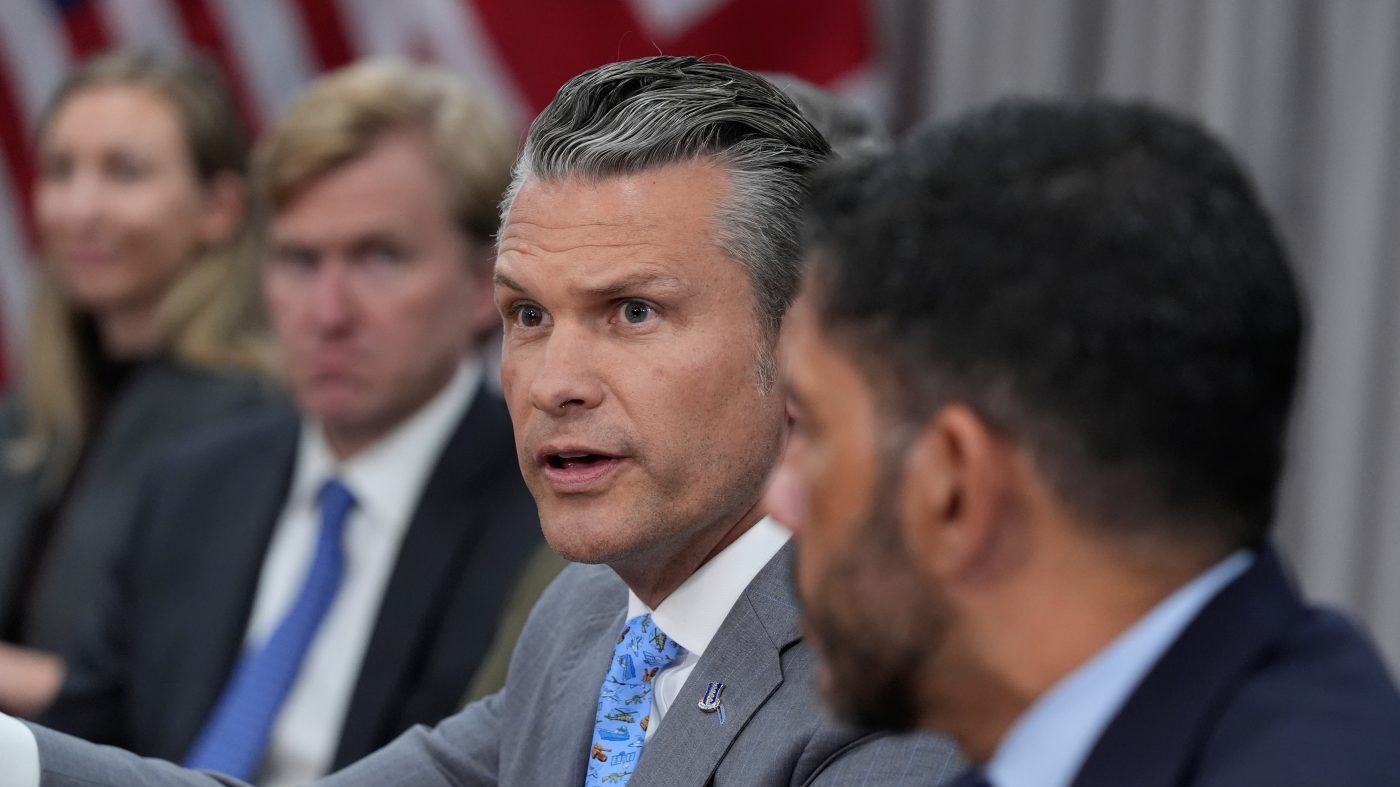
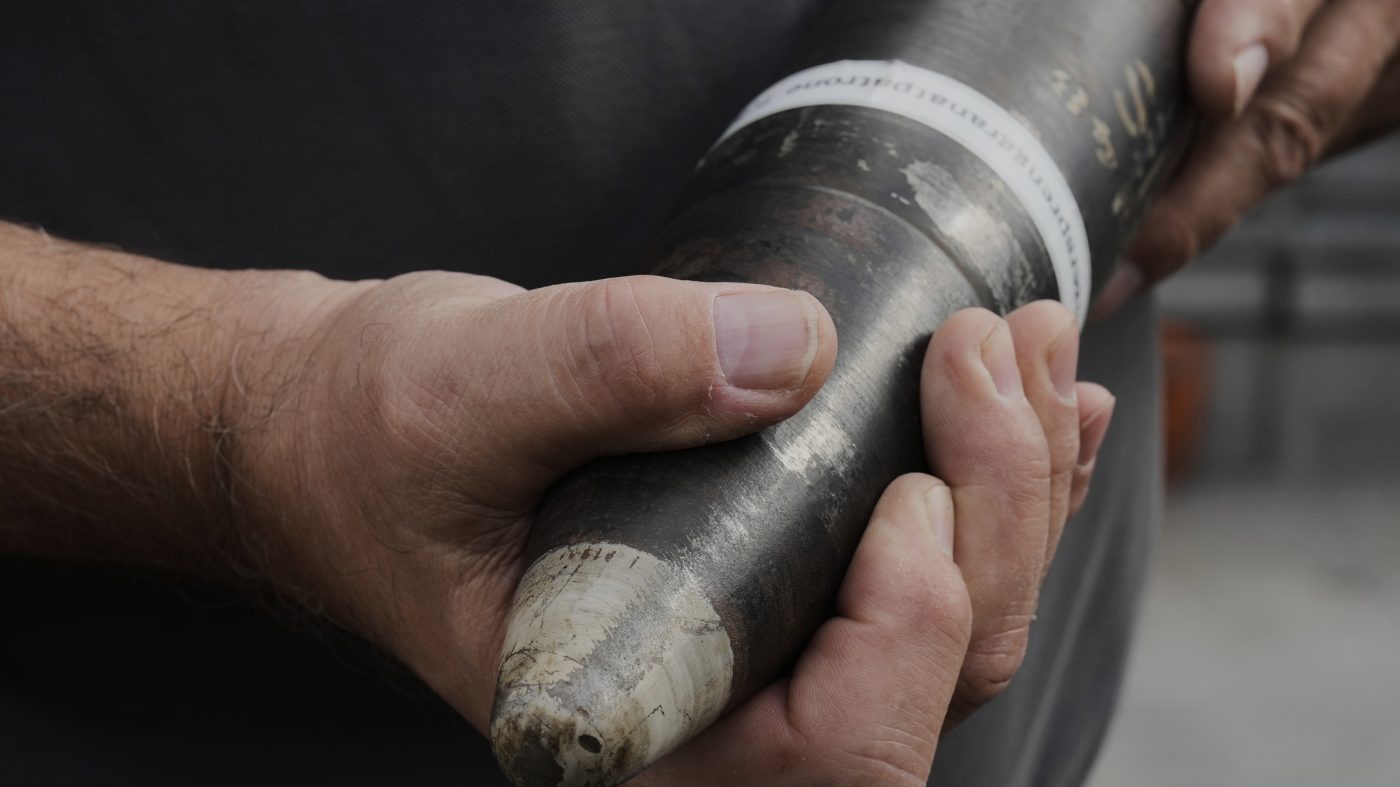
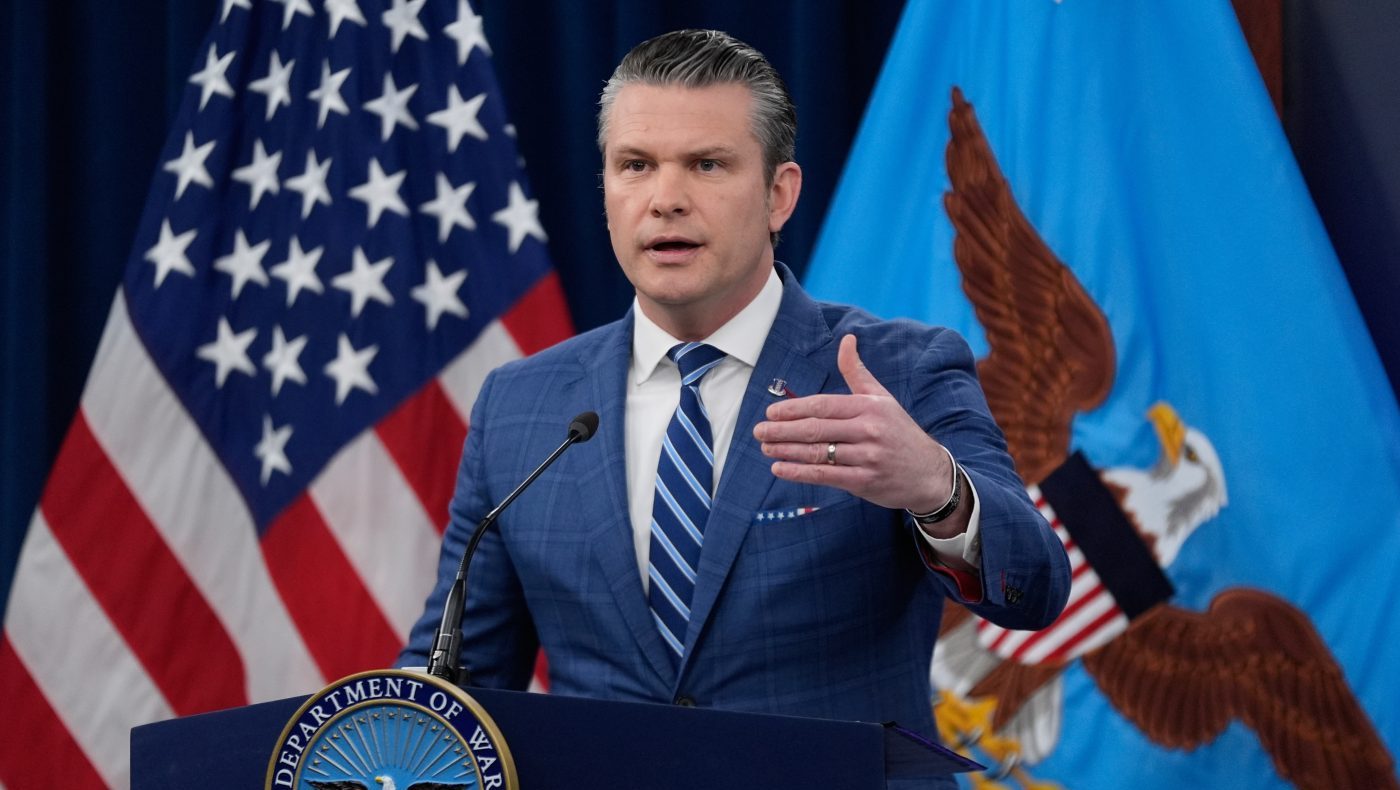
"Operation Epic Fury was a capital V military victory by any measure," Hegseth stated during a Pentagon briefing. "We have decimated Iran's military and rendered it combat ineffective for years to come." He claimed the campaign, conducted alongside Israel, achieved all its objectives and largely destroyed Iran's defense industrial base in a final wave of over 800 strikes.

Ceasefire Follows Trump Ultimatum
The ceasefire agreement was reached just one hour before a Trump-imposed deadline to attack Iranian civilian infrastructure. Hegseth suggested Tehran's acquiescence was driven by an existential threat. "Had Iran refused our terms, the next targets would have been their power plants, bridges, and energy infrastructure," he said. "President Trump had the power to cripple Iran's entire economy in minutes." The deal followed diplomatic outreach from Pakistani Prime Minister Shehbaz Sharif.
Trump himself echoed the triumphant rhetoric, telling reporters the United States had secured a "total and complete victory." The Iranian Supreme National Security Council confirmed it accepted the two-week pause and will begin negotiations on a longer-term peace agreement with U.S. officials in Islamabad, Pakistan, starting Friday. A key Iranian concession was allowing unimpeded shipping through the critical Strait of Hormuz.
Strategic Gaps and Regional Tensions
However, the initial deal appears to leave several core U.S. strategic demands unaddressed. It does not include explicit Iranian commitments to halt uranium enrichment or surrender its nuclear material, which have been primary goals for Iran hawks in Washington. The agreement also leaves the current Iranian regime in power and does not yet secure promises to cease funding proxy forces across the Middle East, a major point of regional contention highlighted by continued Israeli military actions in Lebanon.
Hegseth provided a detailed assessment of the military campaign, asserting that U.S. Central Command, "using less than 10 percent of America's total combat power," dismantled "one of the world's largest militaries" in under 40 days. He acknowledged Iran retains some residual capability but downplayed its significance. "They may shoot here and there," he said, "but what little they have left, buried in bunkers, is all they will have."
Joint Chiefs of Staff Chairman General Dan Caine, who briefed alongside Hegseth, emphasized the provisional nature of the ceasefire. "A ceasefire is just a pause for now," Caine noted, adding that U.S. forces "remain ready if ordered or called upon to resume combat operations with the same speed and precision." His comments underscore the fragile state of the agreement as broader diplomatic efforts continue.
The administration's victory claims are already facing scrutiny from political opponents. Some critics argue the ceasefire merely pauses a cycle of confrontation without resolving fundamental disputes, a concern reflected in warnings about the potential for a recurring 'crisis cycle'. Furthermore, the bypassing of Congress has prompted calls for legislative oversight, with figures like Senator Lindsey Graham demanding a formal vote on the ceasefire to ensure transparency.
The path forward remains uncertain. While the White House celebrates a battlefield success, the impending negotiations in Pakistan will test whether this military pressure translates into a durable diplomatic settlement that addresses nuclear proliferation, regional proxy warfare, and the long-term strategic balance in the Middle East.