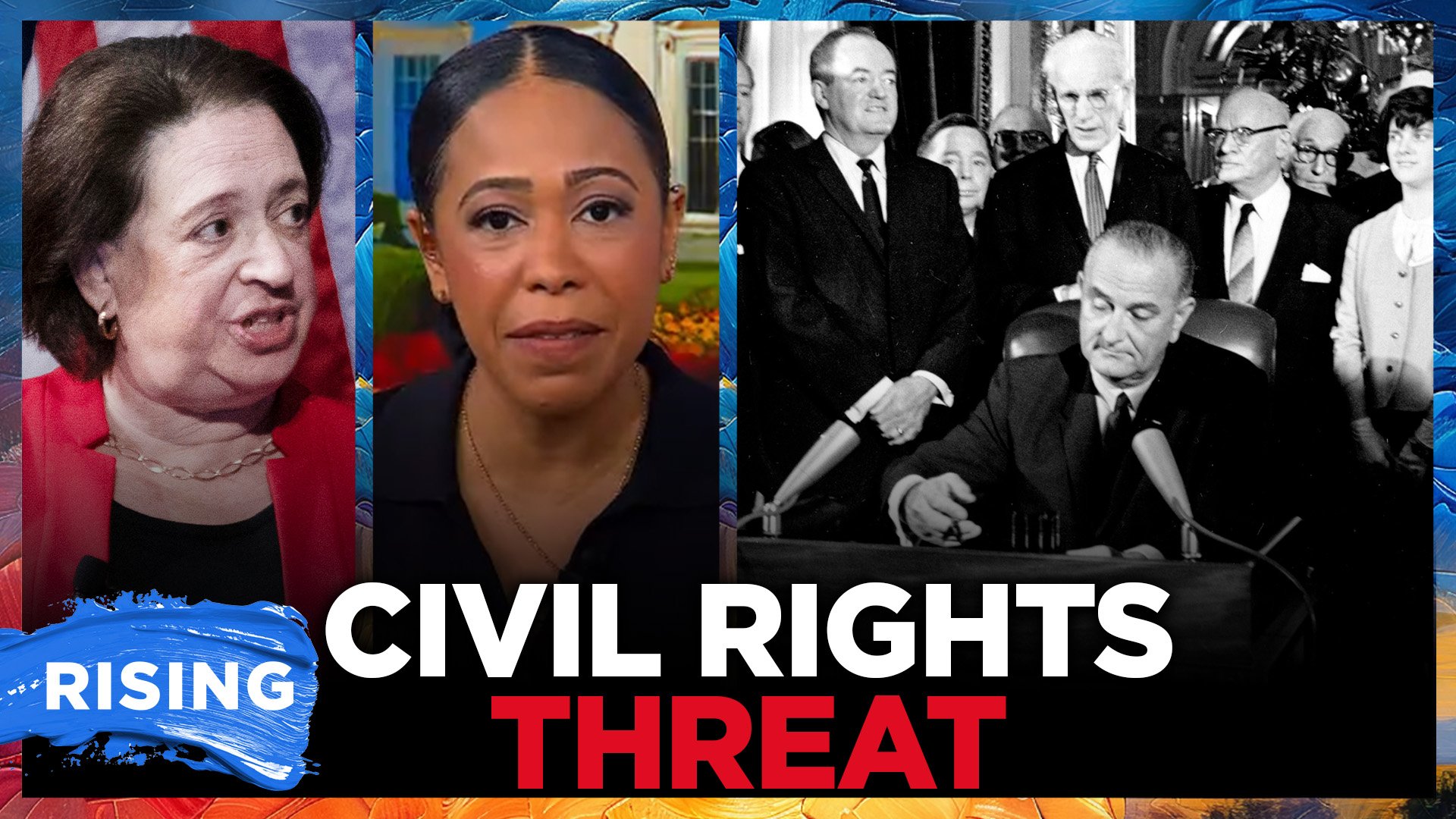
The Supreme Court delivered a significant blow to the Voting Rights Act on [date], ruling 6-3 that Louisiana's congressional map, which created a second majority-Black district, relied too heavily on race. The decision narrows the scope of Section 2 of the landmark 1965 law, long the primary tool for challenging voting maps that dilute minority voting power.
The case originated after Louisiana lawmakers, under court order, redrew a second majority-Black district to better represent the state's Black population, which comprises about a third of residents. That map helped elect a Black Democrat to Congress. But the conservative-leaning court ruled that the map's race-conscious design violated the Constitution's equal protection principles.
Justice Elena Kagan, in a sharp dissent, warned the ruling “threatens a half-century’s worth of gains in voting equality.” Civil rights advocates argue that while the decision doesn't erase the Voting Rights Act, it raises the bar for proving discrimination, allowing states to defend maps as politically motivated even when they disproportionately affect communities of color. This shift could embolden Republican-led states to draw maps that favor their party, potentially altering the balance of power in Congress. Analysts project the ruling could threaten as many as seven Democratic-held House seats.
House Minority Leader Hakeem Jeffries (D-NY) condemned the decision, calling it “a strike against the Voting Rights Act designed to undermine the ability of communities of color to elect their candidates of choice.” Meanwhile, GOP leaders celebrated the ruling as a midterm game-changer, with some urging states to redraw maps immediately.
The ruling also reignites redistricting battles across the South. Louisiana Governor Jeff Landry has already confirmed the state will redraw its congressional map in response, while Illinois Governor J.B. Pritzker vowed to fight the decision. The case underscores a broader ideological clash: whether the law should prioritize race-neutral rules even when outcomes are unequal.
The Voting Rights Act, born from the Civil Rights Movement, was designed to protect Black Americans from systematic disenfranchisement. Now, with its core provision weakened, the question looms: Are we moving toward a system that values formal equality over actual representation?