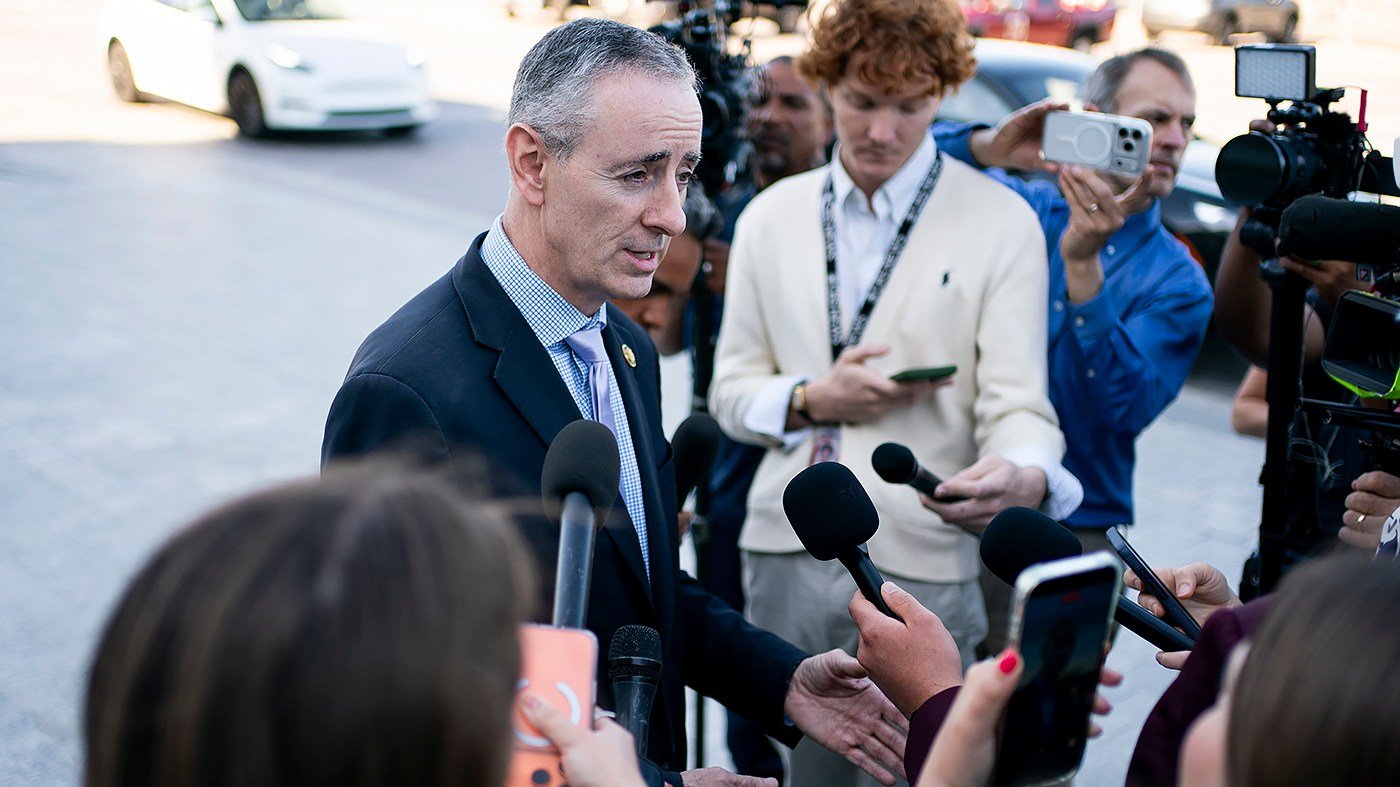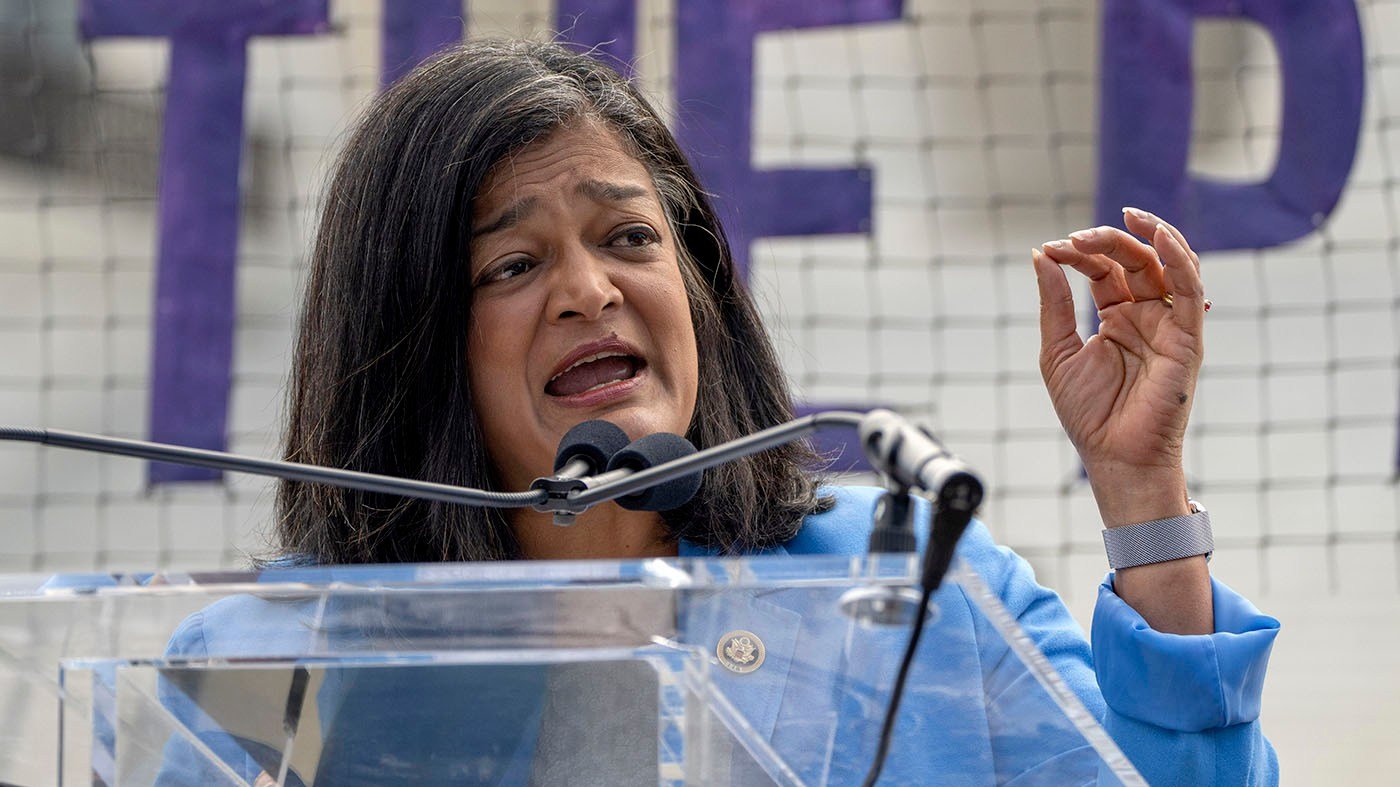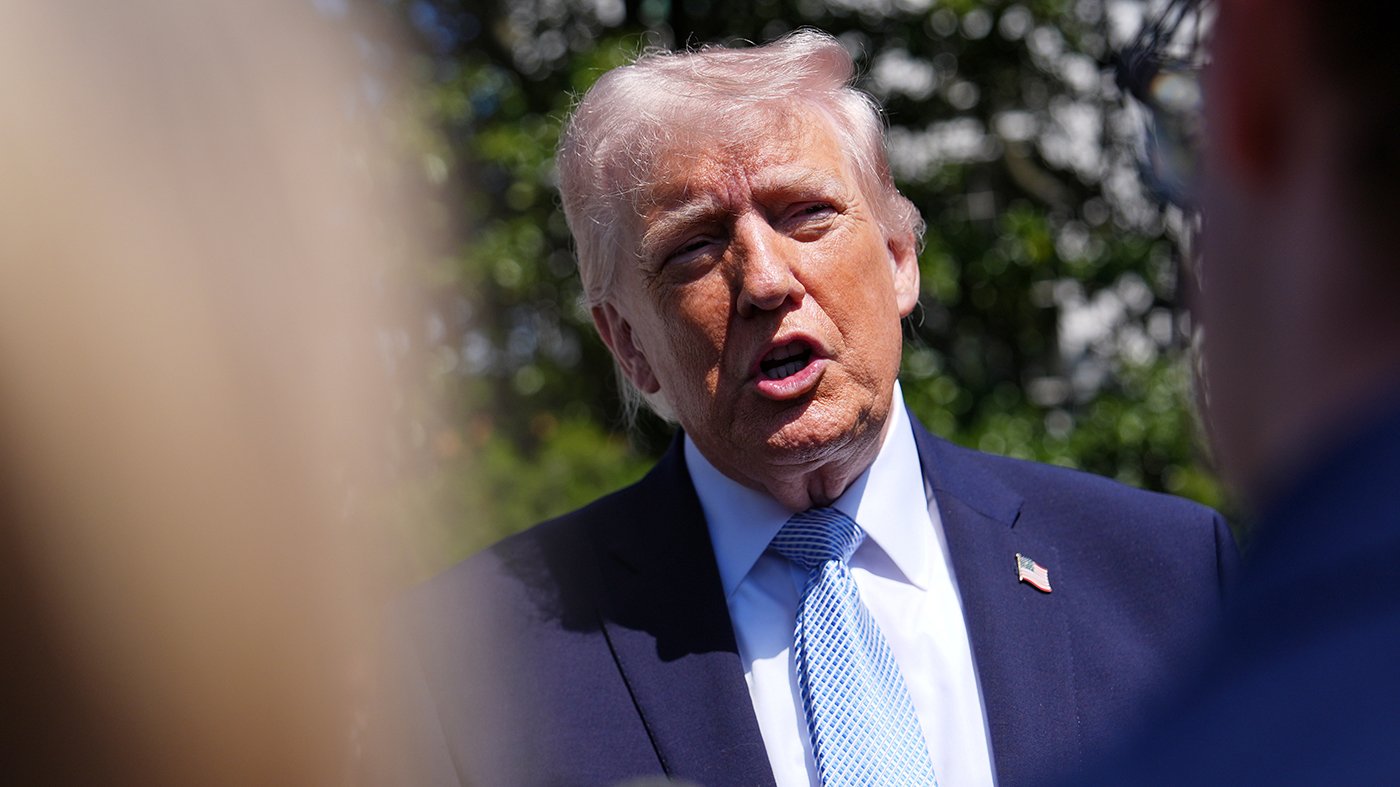
President Trump's bellicose rhetoric toward Iran is generating palpable anxiety among Republican lawmakers on Capitol Hill, exposing significant divisions within the party as a critical 8 p.m. deadline approaches. The president has demanded Iran reopen the Strait of Hormuz—a maritime chokepoint for roughly one-fifth of global oil shipments—and has threatened severe military consequences, including strikes on civilian infrastructure, if it refuses.
In remarks that have reverberated through Washington, Trump warned that a "whole civilization will die tonight" unless a "revolutionary wonderful" diplomatic breakthrough occurs. This language has triggered a rare wave of public criticism from within his own political coalition, with some Republicans expressing alarm at the prospect of a broader, protracted conflict.
GOP Lawmakers Voice Discomfort and Dismay
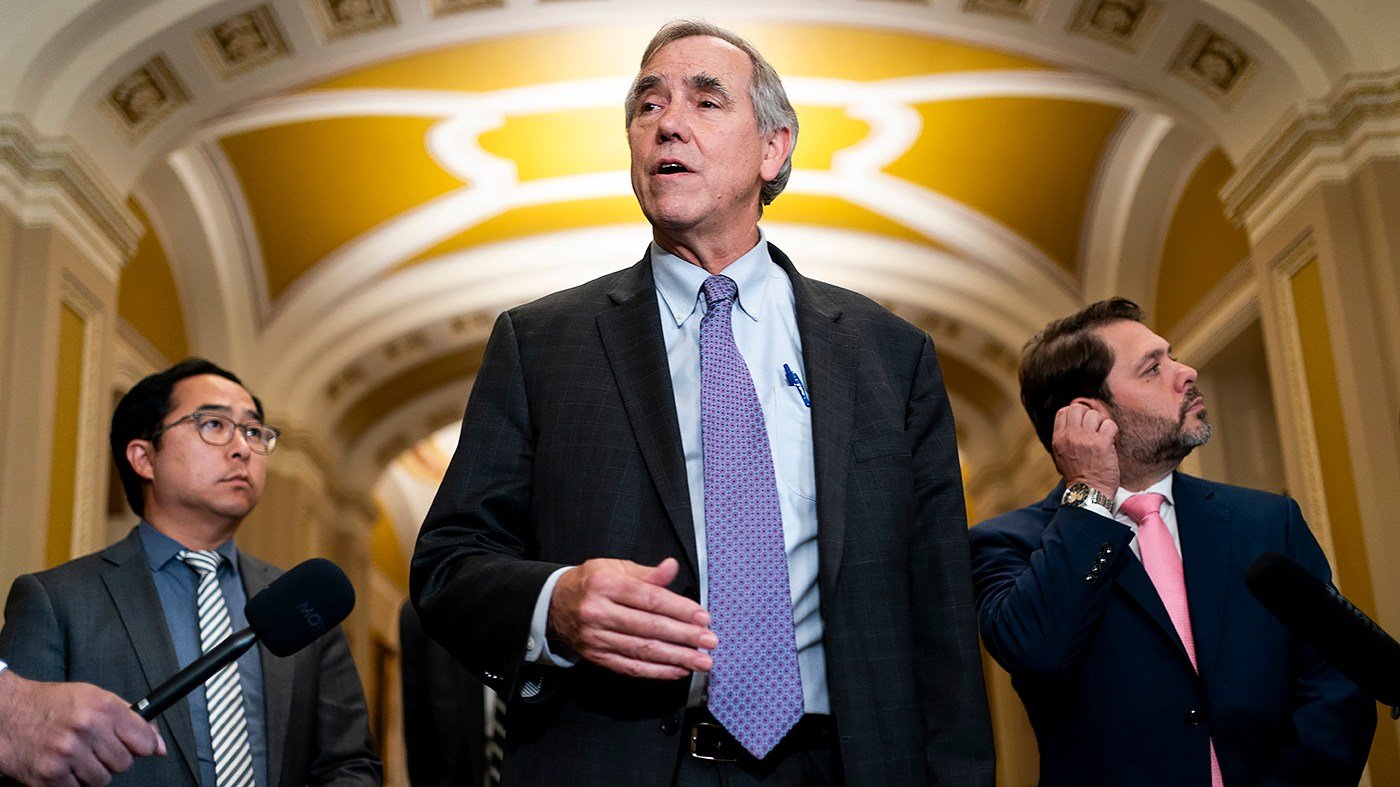
The president's threats have prompted direct rebukes from several Republican members of Congress. Representative Nathaniel Moran (R-Texas) stated on social media that he does not support "the destruction of a 'whole civilization,'" calling the notion inconsistent with American principles. Senator Lisa Murkowski (R-Alaska) offered a sharper critique, arguing the rhetoric "cannot be excused away as an attempt to gain leverage" and that it endangers Americans and undermines U.S. global standing. Murkowski's break with Trump underscores the deepening unease.
Even some of Trump's staunchest allies are expressing hope that his words are merely strategic bluster. Senator Ron Johnson (R-Wis.) said he is "hoping and praying" the threats are not serious, emphasizing he does not want to see attacks on civilian infrastructure. "We are not at war with the Iranian people," Johnson stated. The criticism extends beyond traditional party lines, as former Republican Kevin Kiley, now an independent from California, declared that the United States "does not destroy civilizations."
Defenders Cite Trump's Negotiating Style
Other Republicans have rushed to defend the president, framing his language as a characteristic and calculated pressure tactic. Representative Don Bacon (R-Neb.) described it as "him negotiating Trump style" and "reckless words" aimed at forcing the Iranian regime to buckle. Representative Mike Lawler (R-N.Y.) asserted Trump is "not talking about obliterating innocent people" but rather about "decisive action" against Iran's energy and infrastructure.
The internal GOP discord mirrors a wider political firestorm. Some figures on the populist right, including former Representative Marjorie Taylor Greene, have joined Democrats in calling for the Cabinet to invoke the 25th Amendment, declaring the president unfit for office. Democratic leaders have made similar demands, highlighting the unprecedented nature of the political reaction.
Diplomatic Stalemate and Regional Tensions
The crisis stems from a stalled diplomatic process. Iran has rejected a U.S. peace proposal, calling it "unrealistic" and refusing to negotiate under the "shadow of illegal sanctions, military threats, or coercion." While Tehran has submitted its own proposal to end hostilities, Trump has dismissed it as insufficient. Iran's U.N. envoy stated Tuesday that the country is open to "genuine" talks for a permanent resolution but will not accept a temporary ceasefire, a position detailed in our report on Iran's UN stance.
As the clock ticks down, the situation has triggered regional alarm. Neighboring states are bracing for potential escalation, with Kuwait imposing a curfew as a precautionary measure. Meanwhile, congressional Democrats are preparing a war powers resolution to challenge any unilateral military action once the House returns from recess. The standoff presents one of the most severe tests of Trump's "maximum pressure" doctrine, with the potential to either force a diplomatic concession or ignite a significant new military engagement in the Middle East.