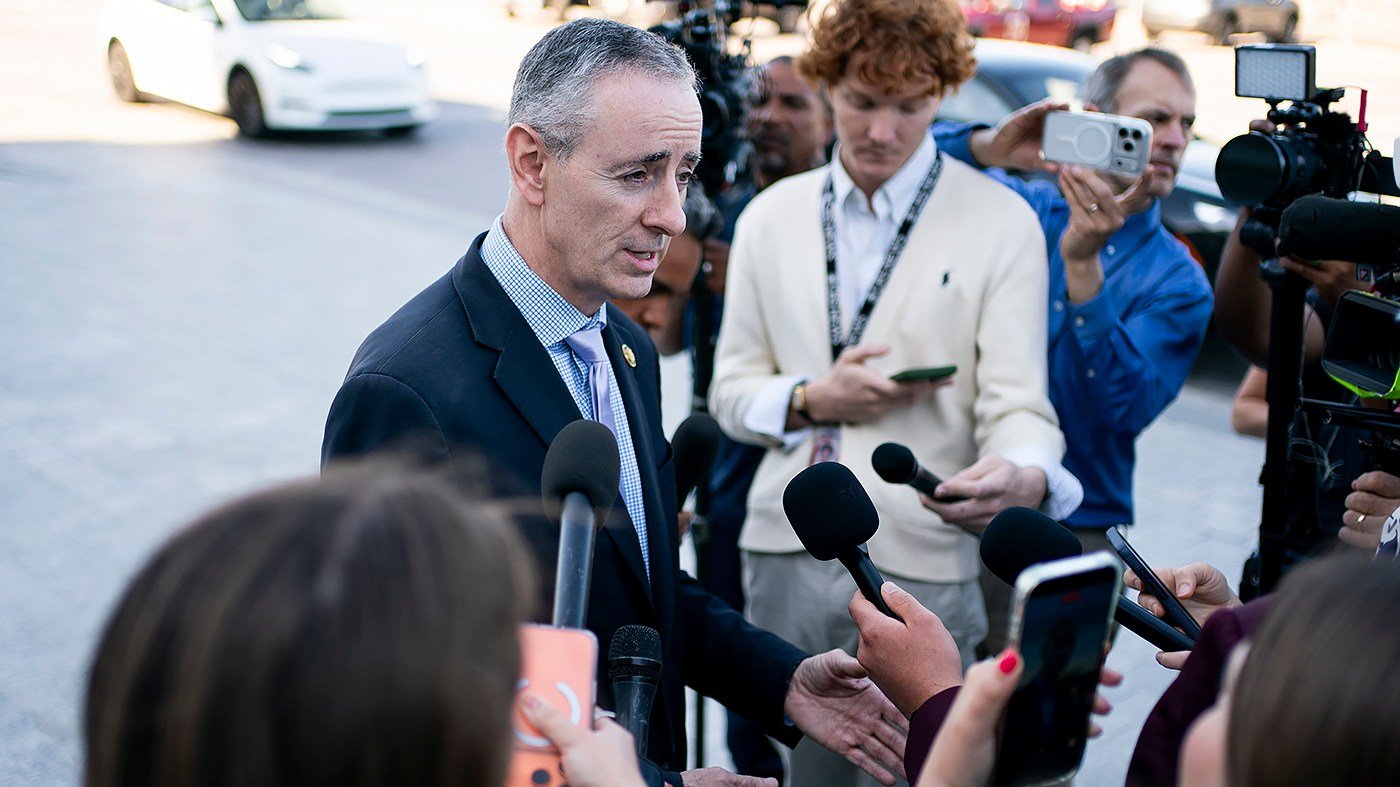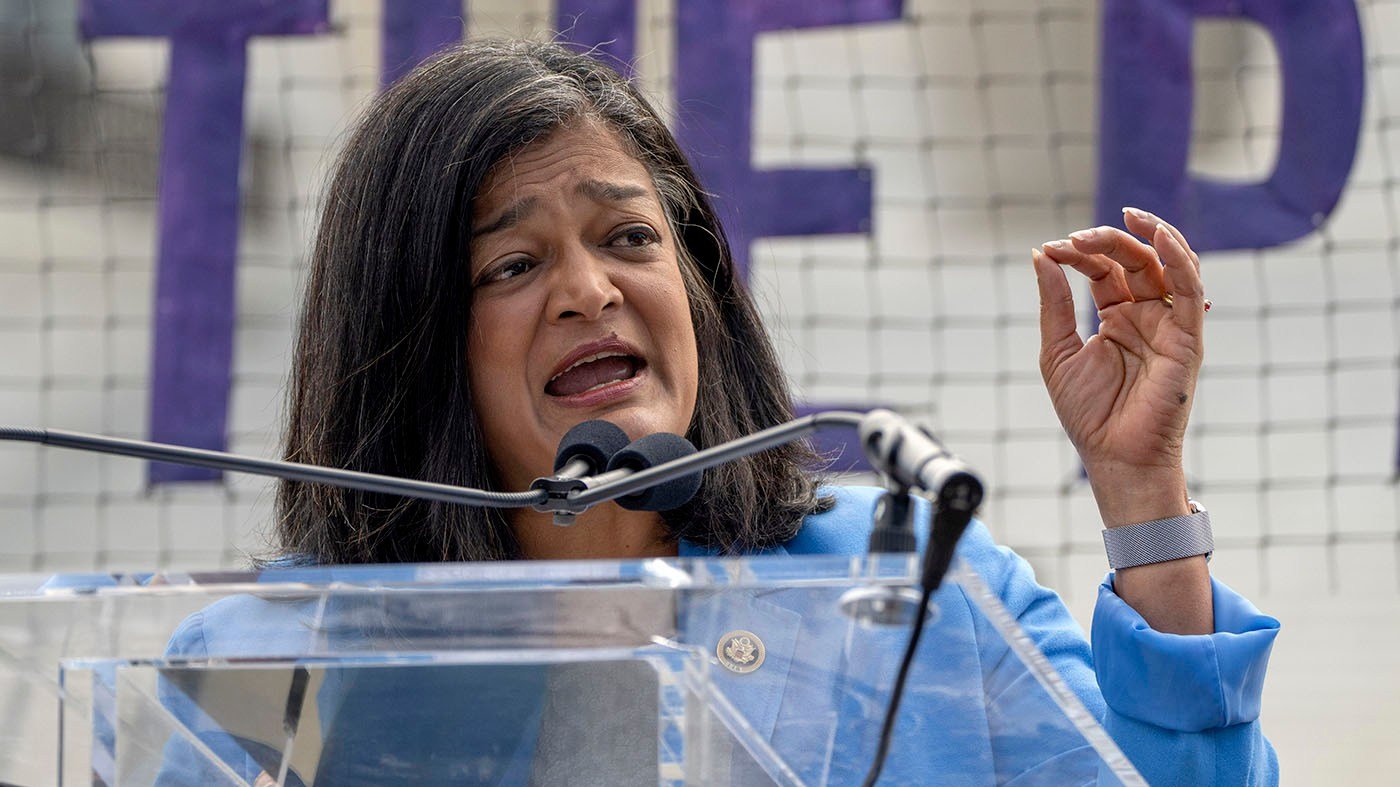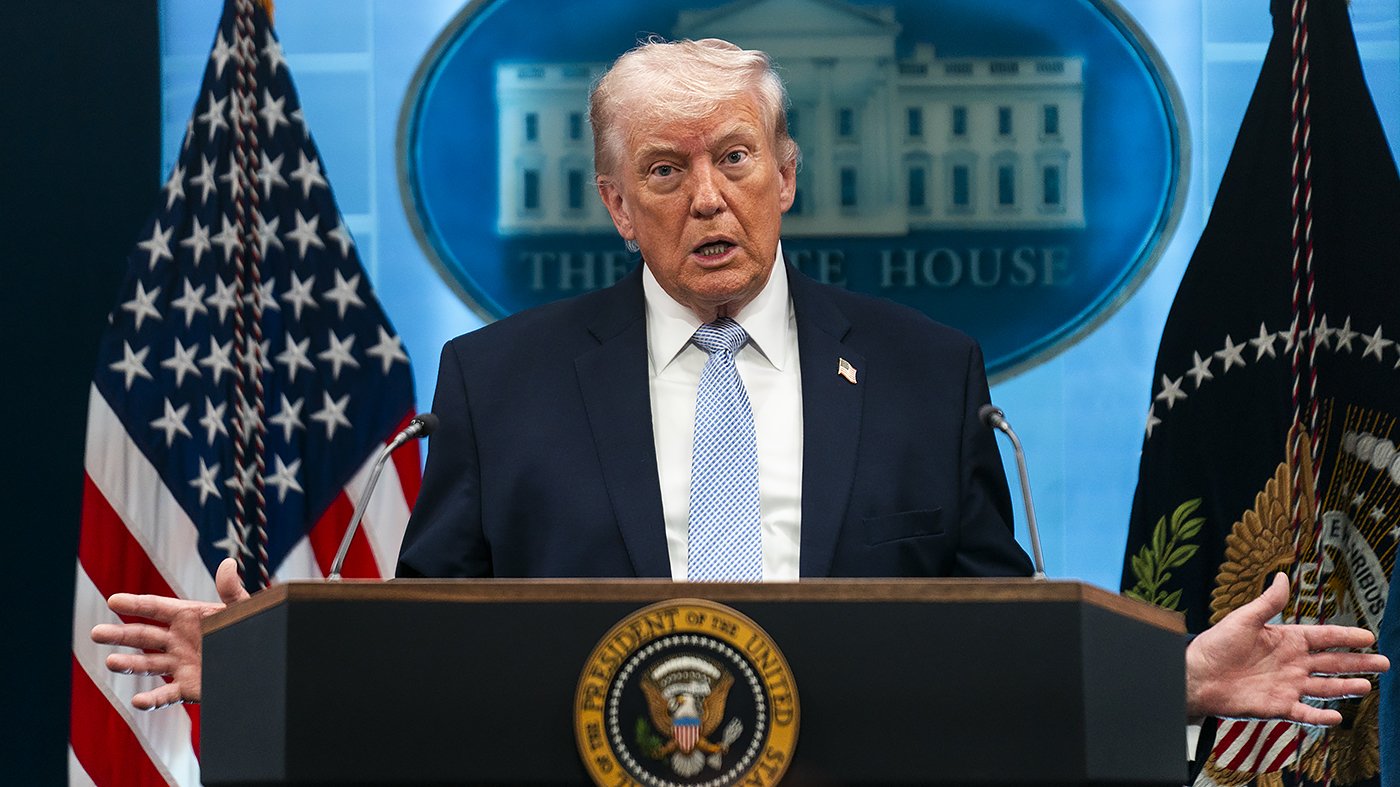
The White House forcefully rejected suggestions on Tuesday that the United States is considering the use of nuclear weapons against Iran, following President Donald Trump's stark ultimatum to Tehran. The administration's pushback came after Trump declared on social media that "a whole civilization will die tonight" unless Iran agrees to a deal by an 8 p.m. Eastern Time deadline.
Social Media Firestorm
The controversy erupted when the White House Rapid Response account on X responded to a clip posted by the Headquarters account, which is operated by former Vice President Kamala Harris's campaign and the advocacy group People for the American Way. The clip featured Vice President J.D. Vance discussing unspecified "tools in our toolkit that we so far haven't decided to use" during remarks in Hungary. The Headquarters post suggested Vance was hinting at potential nuclear options.
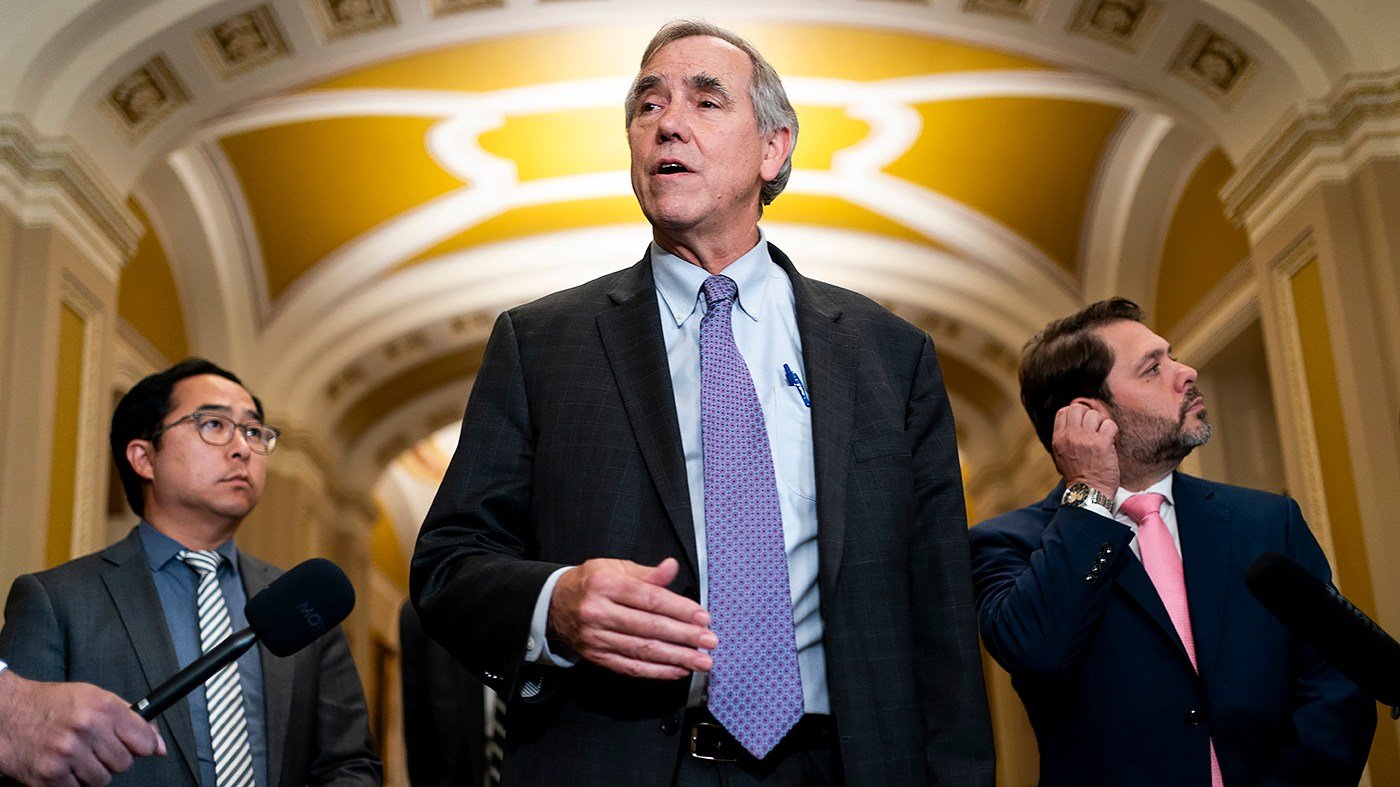
"Literally nothing @VP said here 'implies' this, you absolute buffoons," the White House account fired back, dismissing the interpretation as baseless. Vance had stated that "the president of the United States can decide to use them and he will decide to use them if the Iranians don't change their course of conduct," but administration officials insist he was not referring to nuclear weapons.
Trump's Ominous Ultimatum
President Trump set the stage for the confrontation with a series of social media posts, first establishing the Sunday deadline and following with increasingly dire warnings. "Tuesday will be Power Plant Day, and Bridge Day, all wrapped up in one, in Iran. There will be nothing like it!!!" he wrote, using profanity to demand Iran open the Strait of Hormuz. His threat that "a whole civilization will die tonight" unless "something revolutionarily wonderful" occurs drew criticism even from some allies who argued he went too far in threatening a nation of 93 million people.
The administration's position was clarified by White House Press Secretary Karoline Leavitt, who stated, "The Iranian regime has until 8 PM Eastern Time to meet the moment and make a deal with the United States. Only the President knows where things stand and what he will do." This statement notably did not address the nuclear question directly but emphasized the inflexibility of the deadline.
Military Escalation and Economic Pressure
The United States escalated military pressure overnight with strikes on Iran's Kharg Island, a critical hub where approximately 90 percent of the country's crude oil is processed. The attacks target the lifeline of Iran's oil-dependent economy, representing a significant intensification of the confrontation. Vance characterized the strikes as consistent with existing strategy, stating they do not represent "a change in strategy or any form of change from the president of the United States."
Vance expressed confidence that Iran would respond by the deadline, saying the U.S. is "confident that a response will come from the Iranians by the deadline—positive or negative." He described Trump as "a man who recognizes leverage," suggesting the president believes maximum pressure will force Tehran's compliance. The administration's approach has sparked intense debate about the risks of escalation, with some lawmakers warning that military strikes alone cannot achieve lasting objectives in the region.
Broader Political Fallout
The crisis has triggered significant political reactions in Washington. House Minority Leader Hakeem Jeffries has demanded Republicans 'stop the madness' over what he calls reckless threats of civilizational destruction. Meanwhile, Representative Marjorie Taylor Greene has gone further, calling for invocation of the 25th Amendment over what she terms "evil and madness" in the president's rhetoric.
Even within Trump's own party, concerns have emerged. House Speaker Mike Johnson has urged restraint and warned against targeting civilian infrastructure, reflecting unease about the humanitarian and strategic implications of the president's threats. The administration now faces a critical test as the deadline approaches, balancing military pressure with diplomatic channels while managing both international and domestic political fallout from Trump's confrontational approach.