Democratic lawmakers launched a fierce condemnation of President Donald Trump on Tuesday after he issued an ultimatum to Iran, threatening the destruction of its "whole civilization" if it did not meet his demands. The president set a deadline for Tehran to reopen the Strait of Hormuz and agree to a U.S.-brokered peace deal, warning on Truth Social that without compliance, Iran's civilization "will die tonight, never to be brought back again."
Senators Decry 'Pure Evil' and 'Unhinged' Rhetoric
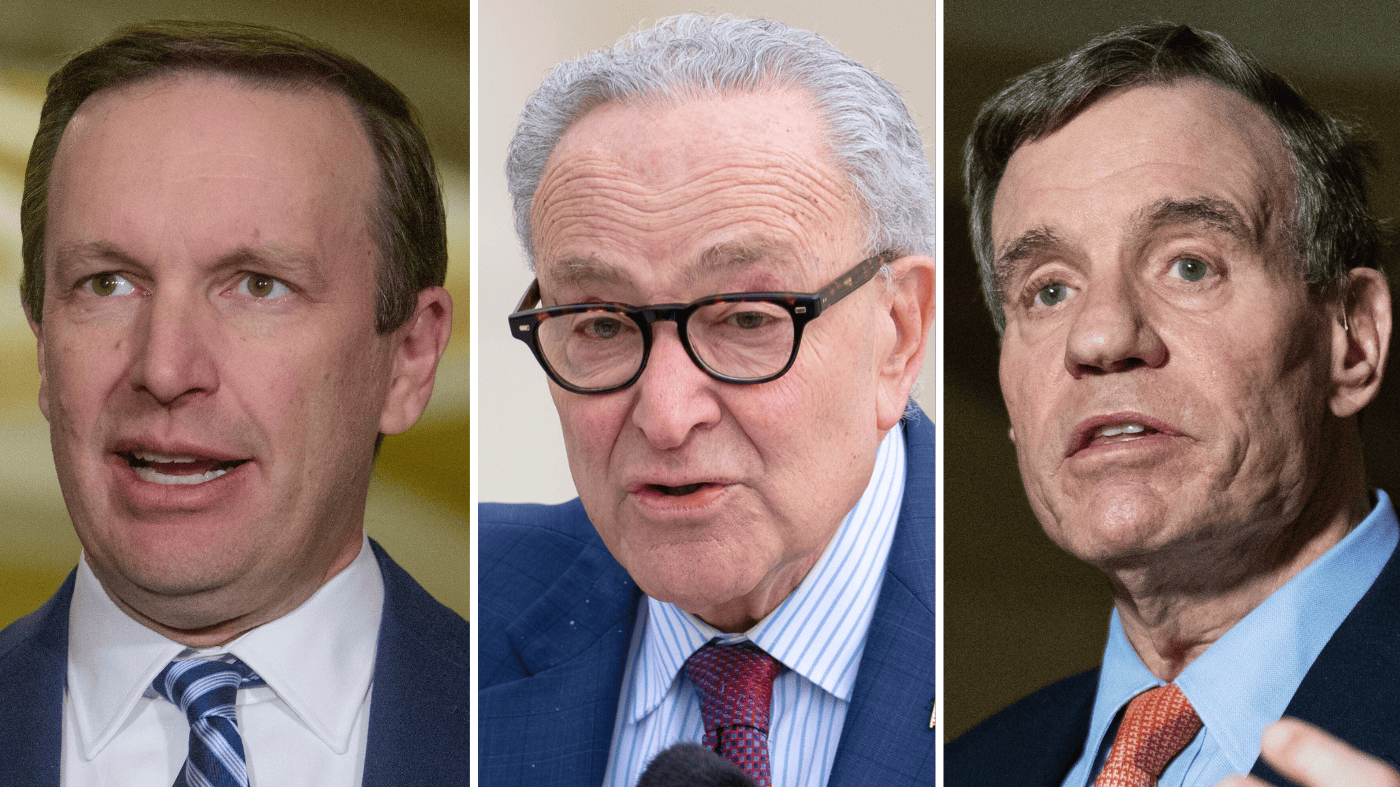
Senator Chris Murphy, a Connecticut Democrat, led the charge, calling the president's statement "pure evil" in a social media video. "Would you be able to live with yourself if you threatened your neighbor's child with murder in order to get your neighbor to behave the way you wanted?" Murphy asked, accusing Trump of proposing a war crime. "This is a time to stand up and say what's right." Senator Mark Warner of Virginia described the threat as "twisted and unhinged," questioning whether world affairs should be dictated by "the rantings of someone."
The outcry was not limited to the Senate. In the House, Representative Joaquin Castro of Texas demanded the administration clarify whether the threat implied the potential use of nuclear weapons. "The President's threat to destroy Iranian civilization suggests he's either considering using a nuclear weapon or wants Iran to believe he would," Castro stated, referencing recent strikes near nuclear facilities in the region. This follows a White House denial that nuclear options are being considered, creating a stark contrast between presidential rhetoric and official statements.
Calls for Constitutional Action and Republican Response
The response quickly escalated to calls for Trump's removal from office. Multiple Democrats, including Representatives Ilhan Omar of Minnesota and Rashida Tlaib of Michigan, called for impeachment or the invocation of the 25th Amendment, which addresses presidential incapacity. "When will it be enough for my Republican colleagues to grow spines and remove him from office?" Omar wrote. Tlaib labeled Trump a "maniac" and a "war criminal."
Representative Sarah McBride of Delaware drew a direct legal parallel, stating, "You can't shout 'fire' in a crowded theater and a president cannot be allowed to threaten genocide with the United States military." She and others, including Representative Jim McGovern of Massachusetts, argued that the threat was illegal under U.S. and international law, and that military leaders have a duty to disobey unlawful orders. McGovern called on House Speaker Mike Johnson to reconvene Congress immediately. This demand was echoed by House Minority Leader Hakeem Jeffries, who urged action 'before Donald Trump plunges us into World War III.'
Senate Minority Leader Chuck Schumer placed responsibility squarely on Republican lawmakers. "Each Republican who refuses to join us in voting against this wanton war of choice owns every consequence of whatever the hell this is," he declared. The unified Democratic message challenged GOP members to break ranks, a dynamic also seen in internal party disputes over strategy, such as the Freedom Caucus rejecting a Trump-backed DHS funding plan.
Context of the Ultimatum and Escalating Conflict
The president's threat followed his rejection of a reported Iranian peace proposal that included a 45-day ceasefire and the reopening of the vital Strait of Hormuz. Trump told reporters the offer was "not good enough," leading to his public ultimatum. The conflict has already extracted a heavy human cost; according to the Human Rights Activist News Agency, the U.S.-Israeli engagement with Iran has resulted in thousands of Iranian civilian and military deaths.
Some Democrats connected the threat to broader concerns about the administration's conduct of foreign policy and adherence to legal norms. Representative Ro Khanna of California called it a "moral crime" and a "war crime," while Senator Richard Blumenthal has previously warned that military strikes alone cannot achieve U.S. objectives in Iran. The legal implications of threatening civilian infrastructure have also been a point of contention, as highlighted when former official John Kelly warned that such threats could violate the laws of war.
The sharp Democratic rebuke underscores the deepening political divide over national security and the appropriate use of presidential power. With accusations of war crimes and genocide now being leveled from within Congress, the pressure on Republican leaders to respond to the president's rhetoric marks a significant escalation in the political battle over U.S. policy toward Iran.