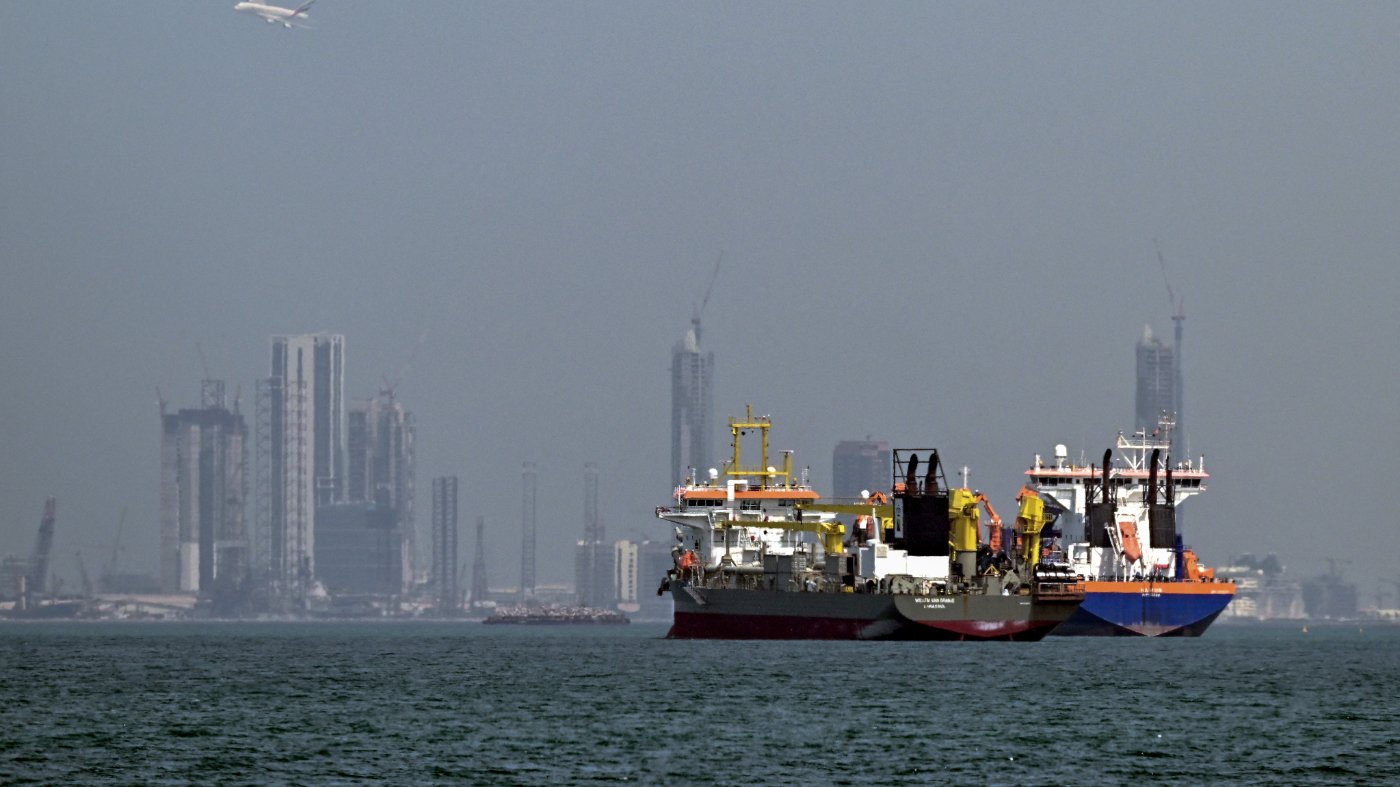
Iran is preparing to implement a novel toll system for maritime traffic through the critical Strait of Hormuz, demanding payment in cryptocurrency equivalent to one US dollar for every barrel of oil transported during the ongoing two-week ceasefire with the United States. The plan, reported by the Financial Times, represents a direct attempt to generate revenue and assert control over the strategic waterway while navigating international sanctions.
Details of the Proposed Crypto Toll
Hamid Hosseini, a spokesperson for Iran's Oil, Gas and Petrochemical Products Exporters' Union—an entity that coordinates with the Iranian government—outlined the procedure. He stated vessels would be required to email Iranian authorities details of their cargo. Following an assessment, ships would be given mere seconds to complete a bitcoin payment. Hosseini emphasized this method is designed to prevent tracing or confiscation of funds due to the comprehensive sanctions regime targeting Iran.
"Once the email arrives and Iran completes its assessment, vessels are given a few seconds to pay in bitcoin, ensuring they can't be traced or confiscated due to sanctions," Hosseini told the newspaper. He framed the measure as a security protocol, stating, "He added that the measures are being put in place to make sure that weapons are not carried through the strait." However, he noted, "Everything can pass through, but the procedure will take time for each vessel, and Iran is not in a rush."
Strategic and Economic Context
The Strait of Hormuz is arguably the world's most important oil transit chokepoint, located off Iran's southern coast. Prior to the recent conflict, approximately one-fifth of global oil supply flowed through it. Its effective closure since hostilities began has contributed to significant oil price volatility and broader economic uncertainty. The announcement of the ceasefire by President Trump, which prompted a drop in oil prices, has temporarily opened a window for such diplomatic and economic maneuvering.
In a related development, President Trump has publicly suggested the formation of a "joint venture" with Iran to administer tolls in the strait. As reported separately, Trump told ABC News, "We're thinking of doing it as a joint venture. It's a way of securing it — also securing it from lots of other people. It's a beautiful thing." This proposal marks a stark shift from military confrontation to potential economic partnership, though its feasibility remains highly uncertain.
Broader Political Reactions
The ceasefire and subsequent proposals have triggered significant political reactions in Washington. Senator Lindsey Graham has demanded a congressional vote on the US-Iran ceasefire, arguing such a consequential decision requires legislative oversight and public debate. Meanwhile, the Iranian government's stance remains complex, having previously rejected a temporary truce at the United Nations in favor of demanding a permanent end to the conflict.
The international community is also grappling with the situation. Efforts to secure a multilateral response have faced obstacles, including a failed UN Security Council resolution on Hormuz after Russian and Chinese vetoes. This deadlock underscores the geopolitical divisions that any lasting agreement must overcome.
Iran's push for a cryptocurrency-based payment system highlights its ongoing efforts to develop financial workarounds to US-led sanctions. By leveraging the perceived anonymity and decentralization of digital currencies like Bitcoin, Tehran aims to access the global financial system for critical trade. The proposed toll, while nominally linked to cargo inspection, primarily functions as a revenue mechanism and a test of its capacity to enforce new rules in its territorial waters.
The coming days will test the durability of the fragile ceasefire and the seriousness of these unprecedented economic proposals. The juxtaposition of Iran's unilateral crypto toll plan with Trump's call for a joint venture reveals the unconventional and fluid nature of current US-Iran negotiations, where financial instruments and strategic control of geography are central bargaining chips.